
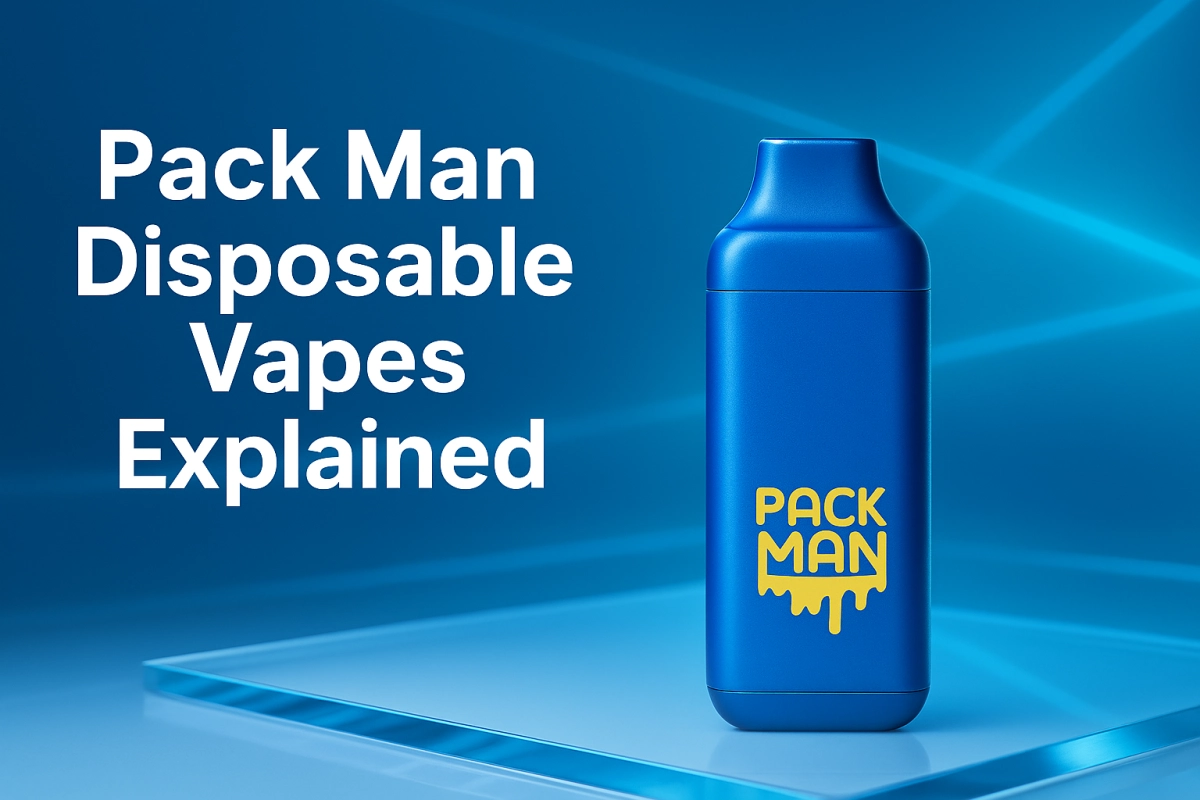
Pack Man Overview · ToFu · Empty Hardware Context Only
Scope. This article is a neutral, hardware-first overview of how pack man branded disposables are typically marketed in 2025. It is written for 21+ readers, industry professionals, and licensed B2B buyers. We discuss models, advertised potency ranges, and common user-experience themes. Vapehitech supplies empty hardware only and is not affiliated with any Packman, Pack Man, or Pac-Man brand. We do not sell or fill THC, CBD, nicotine, or any consumable oils, and nothing here is medical or legal advice.
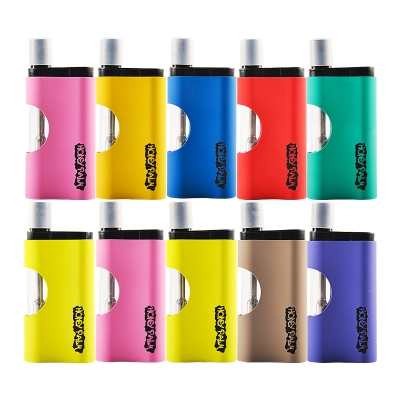
At Vapehitech, Packman-style hardware is organized by brand family and device format. For a brand-level inventory overview, start with the pack man collection page. If your focus is strictly on empty AIO shells, use the packman disposable vape hub. Collab programs such as Melt × Packman sit under the melt packman vape family, and cross-brand shells like Ace Ultra × Packman are grouped in the ace ultra premium x packman section. For a deeper engineering and care walkthrough, our Packman disposable hardware guide goes further into usage, QC, and troubleshooting for empty devices.
1) What “Pack Man” means in 2025
When people talk about “Pack Man” or “packman disposable” today, they are usually referring to prefilled THC vapes sold under Packman-style branding. On the shelf, those products combine three separate layers:
- The brand name and artwork (“Pack Man” logos, flavor art, collab branding, etc.),
- The underlying hardware shell (a disposable AIO device that may exist in several capacities), and
- The oil and lab results behind the product (THC content, terpenes, and any additives).
This guide is not about endorsing any finished Packman oil. Instead, we focus on how Packman-branded disposables are structured as hardware families, what kinds of potency claims appear in the market, and what public information and user feedback say about the overall experience and risk profile.
Key idea. For both consumers and B2B buyers, it helps to separate the shell (device) from the substance (oil). Pack Man is a recognizable look; whether a specific product is safe and compliant depends on who filled it, how they tested it, and which rules they follow.
2) Common Pack Man disposable models & formats
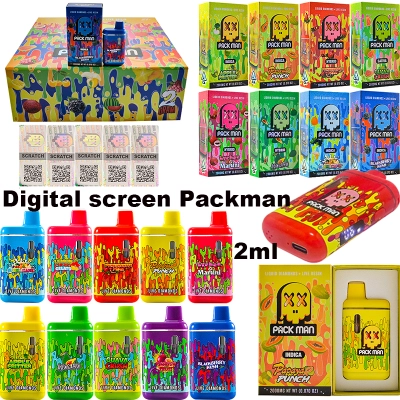
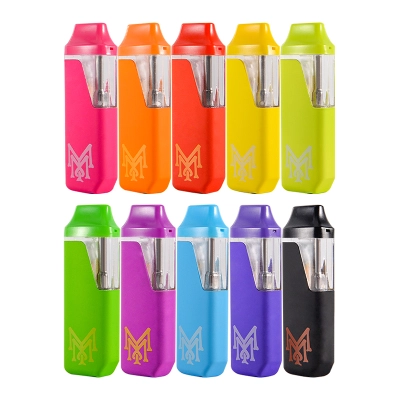
Across online menus and reviews, Packman-branded vapes show up mainly as all-in-one disposables. The internal hardware architecture is similar to other THC disposables, but the branding and feature mix vary by line.
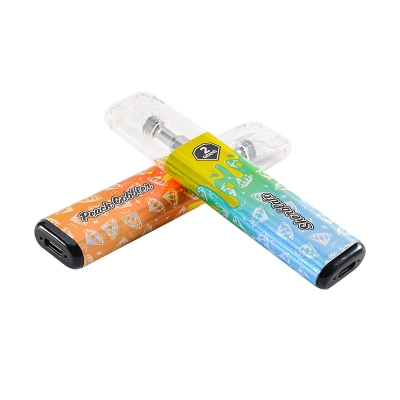
2.1 Standard 1 g and 2 g Packman disposables
Most Packman products fall into familiar capacity brackets:
- 1 gram (≈1 ml) Packman disposables marketed as compact, everyday devices for moderate use.
- 2 gram (≈2 ml) Packman disposables offering higher total volume per pen and often described as “high potency” or “long lasting.”
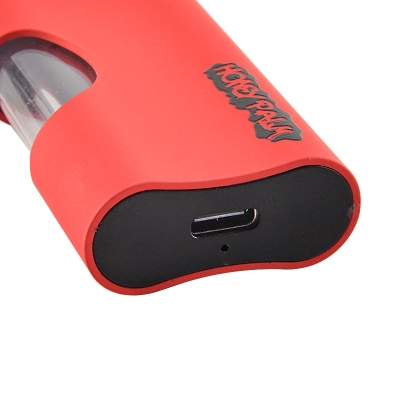
From a hardware standpoint, both capacities typically use:
- a sealed tank,
- a fixed ceramic or cotton-based coil,
- an internal battery sized to empty the reservoir under normal conditions, and
- draw-activated firing (no button) on most lines.
2.2 Switch and dual-flavor Packman devices
Beyond single-flavor disposables, some Pack Man lines are advertised as switch or dual-flavor devices. Typical features in that category include:
- a small button to switch between two internal chambers or flavor modes,
- LED feedback for mode changes and low battery, and
- basic pre-heat functions triggered by multi-click patterns.
The idea is to give users two flavor profiles in one device. In practice, the complexity makes quality control more important: if a switch or indicator fails, it can be harder for users to know what state the device is in.
2.3 Collabs and cross-brand shells
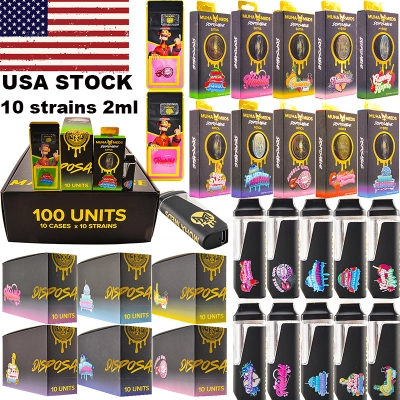
Packman also appears as part of collaborative lines, where another brand brings its oil formulas or marketing to Packman-shaped hardware. Examples include Melt-branded collaborations and Ace Ultra × Packman crossovers. For hardware buyers, these products are simply additional shell families that share a Packman-like silhouette but live in different brand ecosystems. The same safety and QC questions still apply: who manufactures the shell, who fills it, and how are they regulated?
3) Advertised potency & “liquid diamonds” claims
Many Packman-branded products are marketed with strong potency language. At the time of writing, listings commonly mention:
- THC percentages in the high 80s to low 90s, sometimes framed as “90–93% THC,”
- phrases like “live resin + liquid diamonds” or “liquid diamond distillate,” and
- strain-specific positioning such as indica, sativa, or hybrid menus for each flavor.
It is crucial to treat those numbers as marketing claims, not guaranteed reality. Real safety and potency depend on:
- whether the product comes from a licensed producer in your jurisdiction,
- whether it is backed by third-party Certificates of Analysis (COAs) from accredited labs, and
- whether those labs test for residual solvents, pesticides, heavy metals, and additives such as vitamin E acetate.
During the 2019 EVALI outbreak, U.S. Centers for Disease Control and Prevention (CDC) and Food and Drug Administration (FDA) investigations linked many lung-injury cases to illicit THC vapes that contained vitamin E acetate and other contaminants, not to hardware alone. Subsequent guidance from CDC, FDA, and the World Health Organization (WHO) has emphasized that no vape is risk-free and that unregulated THC cartridges remain especially concerning.
Takeaway for readers. A Packman pen that claims 90%+ THC is not automatically “better” or “stronger” in a safe way. What matters is traceable sourcing, honest lab work, and alignment with local cannabis regulations.
4) Reported user experience: pros, cons, and complaints
User experience with packman disposable vapes varies widely across markets and sellers. Because Packman-branded products come from many different sources, there is no single “official” dataset. However, common themes in public reviews, forums, and anecdotal feedback include:
4.1 Reported positives
- Convenience. Disposable format with no separate carts or batteries to manage.
- Large tank size. 2 g devices are perceived as lasting longer than older 0.5 g and 1 g pens.
- Flavor-forward menus. Many users comment on sweet or dessert-style flavors, even when the underlying oil quality is hard to verify.
4.2 Common complaints
- Clogs and inconsistent hits. Some users report clogging, restricted airflow, or pens that hit weakly despite marketing claims.
- Leaking and spitback. As with other disposables, poorly filled or stored units can leak, sending oil into the mouthpiece.
- Inconsistent effects. Reviews sometimes mention that potency does not match the label or feels different between supposedly identical strains or batches.
- Counterfeit concerns. Multiple threads describe confusion between “real” and “fake” Packman products, often tied to sketchy packaging, no lab reports, or informal sellers.
Because Packman is a popular and visually distinctive brand concept, it is also an attractive target for counterfeiters. That means user experience can depend as much on where a device was obtained as on the hardware design itself.
5) Safety signals, ghost-brand risk, and lab reports
Public health authorities have spent years studying vaping-related risks. While most of that work has focused on broad categories (nicotine e-cigarettes, THC vapes, and flavored products), the lessons are directly relevant whenever you look at heavily marketed brands like Packman.
5.1 What health agencies say about vaping risks
- The CDC’s EVALI investigations linked most lung-injury cases to illicit THC vapes containing vitamin E acetate and other contaminants, particularly from informal sources rather than licensed dispensaries.
- CDC and FDA fact sheets emphasize that no e-cigarette or vape is safe for youth, young adults, or pregnant people, and that aerosol from vapes can contain nicotine, ultrafine particles, heavy metals such as nickel and lead, volatile organic compounds, and other toxicants.
- WHO’s Q&A on e-cigarettes similarly warns that long-term health effects are still being studied and that dual use with combustible products can maintain or increase overall risk.
5.2 Ghost-brand and counterfeit dynamics
In many regions, highly stylized THC disposables operate as ghost brands: names and logos exist online and on packaging, but there is no clear, licensed manufacturer or corporate entity behind them. Packman branding has shown up in this context, with:
- “official” websites that promote safety and lab testing but may not correspond to regulated licence holders in every jurisdiction,
- copies and lookalike packaging used by third parties with no connection to the original designers, and
- products sold primarily through informal channels, where lab results are hard to verify or may be reused from unrelated batches.
For consumers and B2B buyers, the implication is simple: treat any packman disposable vape that lacks transparent, batch-specific lab reports and clear licensing as high risk, regardless of how polished the packaging or social media presence looks.
6) Treating packman disposable vapes more safely
This article does not promote consumption, but if readers are already in markets where THC vapes are legal, there are ways to lower (not eliminate) risk when Packman-branded products cross your path.
6.1 For individual consumers
- Prefer licensed channels. Buy only from regulated dispensaries or retailers where you can check licences and lab reports, not from street sellers or unverified websites.
- Insist on real COAs. Look for batch-matched Certificates of Analysis from accredited labs that test for potency, solvents, pesticides, heavy metals, and vitamin E acetate. Screenshots without batch IDs or QR links are weak evidence.
- Be cautious with extreme potency claims. Numbers like “93% THC + liquid diamonds” should trigger more scrutiny, not blind trust.
- Pay attention to your body. If you experience chest pain, shortness of breath, or other concerning symptoms after vaping any product, stop using it and seek medical care promptly.
6.2 For B2B buyers and licensed producers
- Separate shell and brand. Treat Packman shells as one more device family in your portfolio, not as a proxy for legitimacy.
- Document your sourcing. Know exactly which factory produces your shells, under what quality system, and through which shipping path they reach your fillers.
- Run your own validation. Use pilot lots to test compatibility with your oils, then define AQL levels for leaks, DOA units, cosmetic flaws, and electrical failures.
- Align with health-agency guidance. Build policies that reflect what CDC, FDA, and WHO are actually saying about vaping risks, especially in relation to illicit THC carts and youth exposure.
7) Where empty Packman-style hardware fits at Vapehitech
Vapehitech’s role in the Packman ecosystem is limited, by design:
- We offer empty Packman-style hardware and compatible shells, not filled THC, CBD, or nicotine products.
- Brand owners and licensed fillers remain responsible for oil formulation, lab testing, packaging, and all finished-product compliance.
- The Packman name is used on our site purely to describe compatible shell families and packaging formats; it is not an endorsement of any finished Packman-branded oil.
Handled this way, Packman becomes one component in a broader, diversified device strategy. You can choose to allocate a portion of your portfolio to packman disposable shells while also running more neutral or medical-style hardware for other segments. If public data or regulations around a particular brand change, you can scale that component up or down without redesigning your entire hardware system.
Nothing in this guide replaces legal advice. Each jurisdiction has its own rules around cannabis branding, product safety, packaging, and device design. Always confirm your plans with qualified counsel and local regulators before launching or importing Packman-based SKUs.
8) FAQ & next steps
Does Packman branding guarantee a safe or legitimate product?
No. Branding alone never guarantees safety or legality. A Packman logo can appear on products from licensed producers, on third-party knockoffs, and on outright counterfeits. What matters is who made the oil, who filled the device, how it was tested, and whether the product is sold through regulated channels.
Are Packman disposables more dangerous than other vapes?
There is no single number that ranks “brand risk,” but public data around EVALI and illicit THC vapes shows that products from informal sources—regardless of brand name—carry much higher risk. Packman-branded devices sold in unregulated channels should be treated with the same caution as any other unlabeled or poorly documented THC disposable.
Can I refill a Packman disposable if it runs out?
From a safety and compliance perspective, refilling disposables is generally discouraged. They are not designed for open maintenance, and forcing them open can damage seals, introduce contaminants, or bypass electrical protections. Structured, licensed programs work with new, empty shells that are filled and tested under controlled conditions.
How should my company use this article in practice?
Turn it into a simple SOP or reference note. Define your internal stance on Packman-branded hardware, what documentation you require from suppliers, how you verify lab reports, and whether you will carry Packman-branded finished products at all. Pair that stance with the more technical procedures in your Packman disposable hardware guide so that marketing, compliance, and operations are all working from the same assumptions.
Disclaimer: This article is for B2B hardware and consumer-safety education only. It does not promote the use of controlled substances, does not endorse any specific oil formulation or Packman-branded product, and does not provide medical or legal advice. Always follow local laws and consult qualified professionals when designing your products and compliance strategy.
2 Comments
Clear and easy to understand, nice!
Super interesting, thanks for posting.