
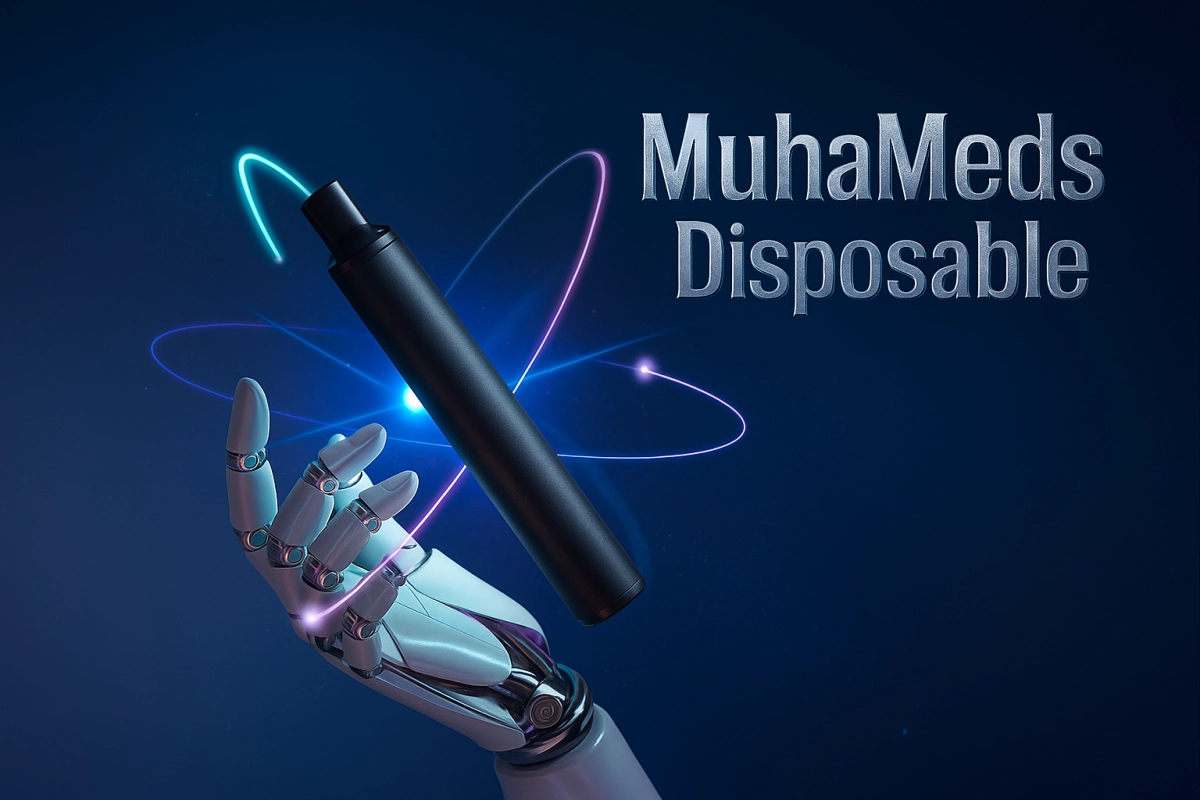
Empty hardware only. This guide covers hardware use and safety for the Muha Meds form factor. It does not make health claims or discuss nicotine/THC/liquid content.
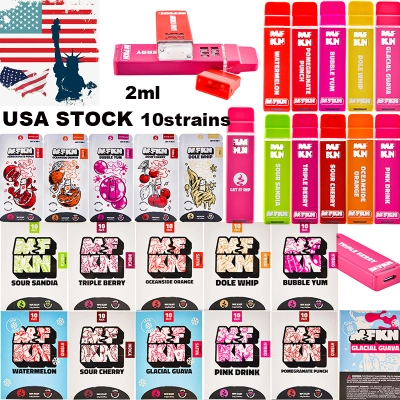
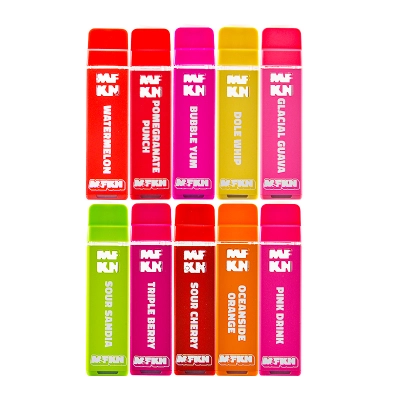
This practical tutorial walks through muhameds disposable device basics—from first activation and safe charging to travel rules and end-of-life disposal. If you’re exploring model families and specs, start with the brand overview muha meds and capacity pages muha meds 2g / muha meds 1g. For a tag-level collection on this topic, see muhameds disposable.
1) What this hardware is (and isn’t)
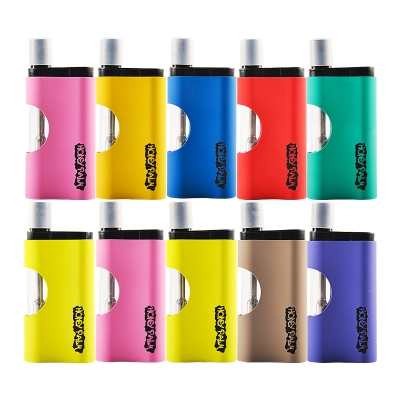
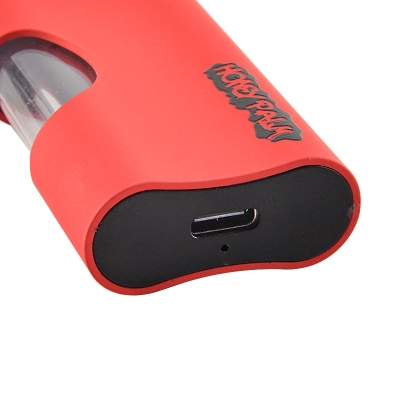
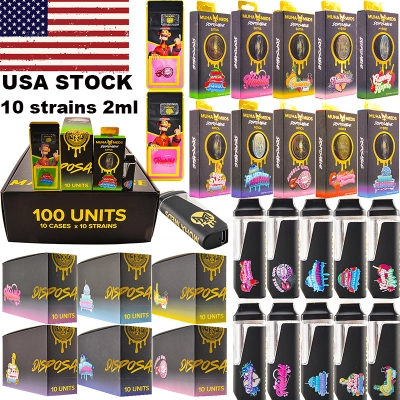
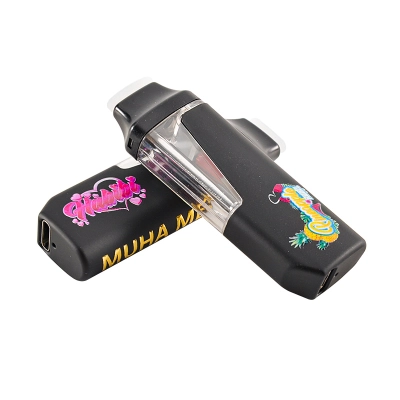
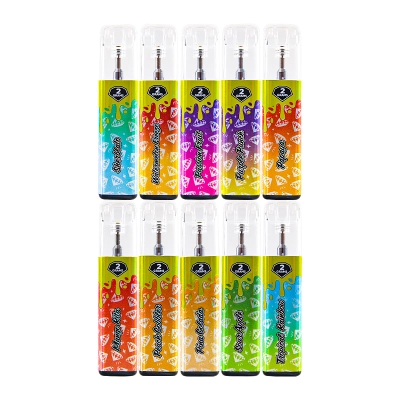
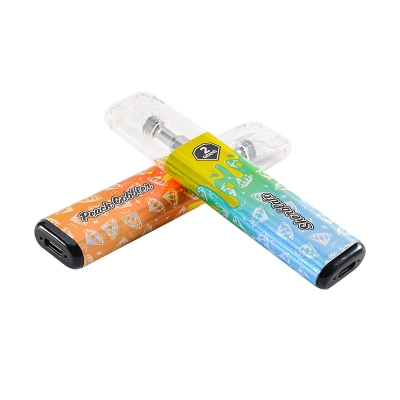
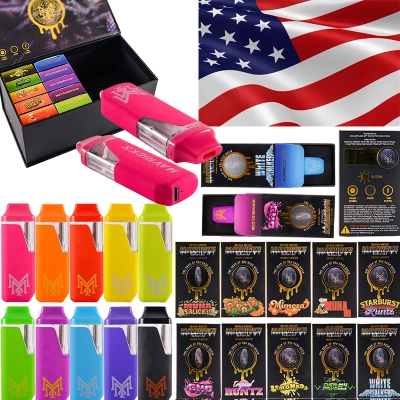
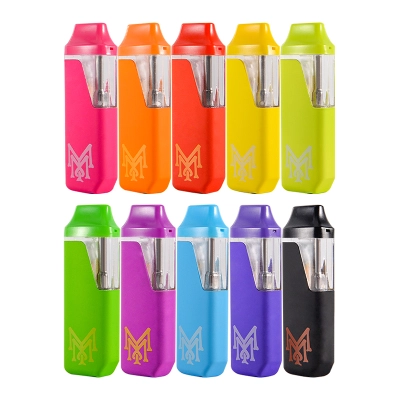
“Muha Meds disposable” typically refers to a sealed, auto-draw, USB-C rechargeable device with a pre-installed ceramic coil and a fixed tank volume (commonly 1g or 2g families). In practice, the form factor focuses on ease of use, leak mitigation via gasket/O-rings, short-circuit protection, and clear status indication (LED or screen depending on variant).
2) First activation: quick start
- Inspect the seals. Ensure the mouthpiece and bottom/side ports have intact tamper-evident plugs/films. Remove only what the quick-start card indicates.
- Auto-draw test. Take a gentle draw for 1–2 seconds. Confirm LED/screen activity. If the device supports pre-heat, follow the indicated tap/press pattern on the body (varies by model).
- Airflow check. If adjustable, start mid-range. Too tight can cause overheating; too open can thin the vapor density.
- Break-in. Take 2–3 short draws before any longer puffs. This helps the ceramic wick stabilize.
3) Charging & battery protections
Most modern disposable hardware includes over-current, short-circuit, over-charge, and over-discharge protections on a dedicated battery management board. Best practices:
- Use a quality USB-C cable and a low-to-moderate power adapter (e.g., 5V/1A–2A). Avoid fast-charge bricks that exceed device limits.
- Charge on a non-flammable surface; keep away from liquids, metal debris, or direct sunlight.
- Stop charging once the indicator shows “full.” Do not leave on charge overnight or unattended.
For electrical safety framing, see the UL ecosystem (commonly referenced: UL 8139 for electrical systems of e-cigarettes) and rechargeable cell safety frameworks from the IEC (e.g., IEC 62133-2 families for portable secondary cells).
4) Travel & air transport rules
Lithium-powered devices are subject to aviation safety restrictions. In the U.S., personal vape devices must travel in carry-on only—not in checked baggage. Do not charge on board, and prevent accidental activation.
- TSA: Electronic cigarettes and vaping devices
- FAA PackSafe: Lithium batteries
- IATA: Lithium battery guidance
- PHMSA (US DOT): Lithium batteries resources
5) Maintenance & troubleshooting
Condensation or gurgle
- Blot the mouthpiece with a lint-free tissue. Avoid blowing into the device (may push liquid toward the sensor).
- Take shorter, gentler draws for a few cycles to normalize wicking.
No activation / LED blinks
- Recharge for 10–15 minutes and retry. If an LED blinks repeatedly, the board may be reporting low voltage or a protection event (short/over-current).
- Check that seals are fully removed and airflow path isn’t blocked by packaging material.
Overly tight or loose airflow
- If adjustable, nudge the ring/slider. Otherwise, avoid occluding the inlet; hold the device so that fingers don’t cover side slots.
6) Choosing capacity: 1g vs 2g
Capacity affects runtime and weight. As a general rule, muha meds 1g devices prioritize compact size and lower unit cost, while muha meds 2g families emphasize longer runtime and fewer charge cycles. If your project values “lighter carry & cost control,” start with 1g; for “fewer refills/swaps and longer sessions,” 2g is usually the better fit.
7) End-of-life disposal & recycling
Disposable devices contain a lithium-ion cell and must not be thrown into household trash. At end-of-life:
- Power down (if applicable). Cover the battery terminals with non-conductive tape (electrical or clear tape) to prevent shorting.
- Take the device to a household hazardous waste (HHW) site or a battery take-back program.
- Consult official guidance from the U.S. EPA on used lithium-ion batteries.
- To find a drop-off near you, use the Call2Recycle® locator (availability varies by region).
8) Quick FAQ
Can I fly with a Muha Meds-style disposable?
Yes—carry-on only, never in checked baggage. Do not charge on board. See TSA/FAA links above.
How long should I charge?
Follow the indicator: stop once it shows full. Use a standard 5V adapter; avoid high-watt fast-charge bricks unless the device explicitly supports them.
How do I prevent accidental activation in a bag?
Use the travel cap/plug if provided. Store upright. Avoid pressing or covering airflow inlets.
Exploring the lineup? Start with the brand page muha meds, then compare capacities: muha meds 2g vs muha meds 1g. For more posts on this topic, browse muhameds disposable.
Empty hardware only. This tutorial does not constitute health or legal advice; always follow local regulations and carrier rules.


2 Comments
Such a smooth read!
Appreciate the effort that went into this post.