
Prepared by the Vapehitech Hardware & Compliance Team for licensed B2B buyers only. This guide covers how to evaluate Muha Meds-style empty hardware at wholesale scale: spec verification, documentation, and fake-check workflows. Vapehitech supplies empty or compliant devices only and does not sell or promote filled nicotine, THC, or any controlled substances. All brand names are used nominatively for compatibility and hardware style discussion only.
1. Why Muha-Style Wholesale Needs a Real Playbook
“Muha Meds” is a high-visibility name in the market, which naturally attracts copycats, cloned shells, and low-documentation hardware offers. For serious B2B buyers, “good price” without verifiable specs is a direct liability: seizures at borders, product returns, or battery incidents can erase any short-term margin.
A defensible Muha Meds wholesale strategy starts by centralizing decisions on one controlled hub where only empty, spec-backed formats are considered. On Vapehitech, that anchor is the muha meds wholesale category, which you treat as the reference point for architecture, documentation, and regional availability.
2. Empty Hardware Specs: What “Good” Looks Like
Reputable Muha-style hardware is defined by transparent, repeatable engineering—not just a logo. When you review any empty Muha Meds-style offer, insist on at least:
- Coherent device family: clear split between carts and disposables, with consistent dimensions, threading (if applicable), and housing geometry so that your filling and packaging SOPs are stable.
- Ceramic heater design: resistance and intake configuration suitable for your target viscosity, disclosed in ohms and mm, not vague marketing language.
- Battery & protection: realistic mAh ratings, integrated protection ICs, short-circuit and overcharge safeguards aligned with modern ENDS expectations.
- Materials transparency: wetted-path materials (coil, center tube, seals) identified; support for heavy metal and extractables/leachables testing by accredited labs.
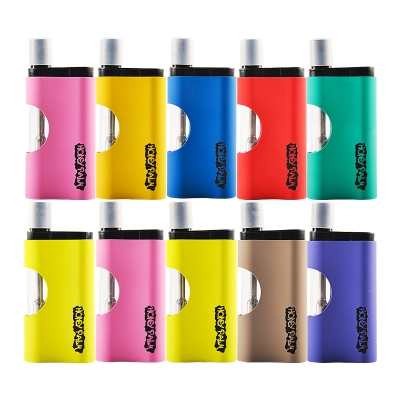
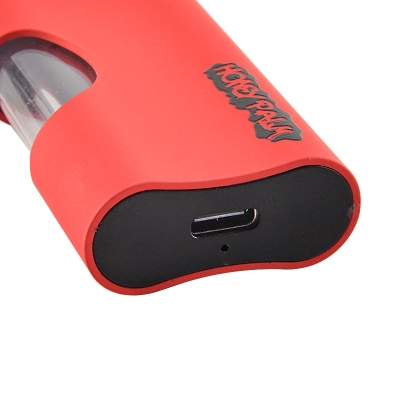
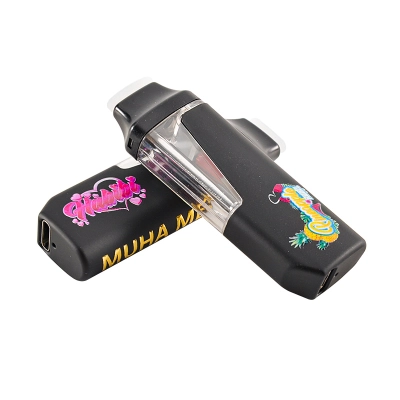
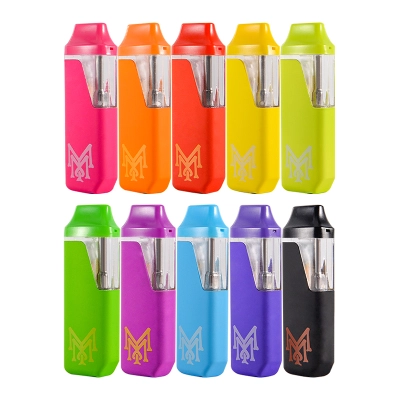
Use concrete reference SKUs as benchmarks rather than screenshots. For example, evaluate how a documented Muha Meds vape pen or Muha Meds vape cartridges present hard numbers (capacity, resistance, battery type, packaging layout). Any wholesale pitch that cannot match this level of disclosure deserves extra scrutiny.
3. Compliance Documentation: Non-Negotiables in 2025
As of 2025, “we test our batteries” without documentation is not acceptable for serious programs. At a minimum, your empty Muha-style hardware partner should provide:
- A current UN 38.3 lithium battery test summary for the exact cell or pack used, aligned with the UN Manual of Tests and Criteria and the updated PHMSA guidance on test summaries. :contentReference[oaicite:0]{index=0}
- Evidence of evaluation to ANSI/CAN/UL 8139 (or equivalent) for e-cigarette and vape electrical systems, covering battery management, charging, and protection circuits. :contentReference[oaicite:1]{index=1}
- Alignment with IEC 62133-2:2017-type safety requirements for portable lithium cells, often referenced by reputable labs for sealed secondary batteries. :contentReference[oaicite:2]{index=2}
- Independent lab reports for heavy metals and material safety on coils, contacts, and polymer components in the wetted path.
- Lot-level traceability: batch numbers printed on cartons and units that map to test reports, invoices, and packing lists.
These documents should come as verifiable PDFs (with lab names, report numbers, and dates), not edited images. They should withstand comparison against official resources such as PHMSA’s lithium battery test summary guidance and UL’s published information on UL 8139. :contentReference[oaicite:3]{index=3}
4. Fake-Check Playbook: How to Screen Out Risk
The main threat in this category is not just poor quality—it is fake Muha Meds: hardware misusing brand elements, missing safety features, or shipped without proper chain-of-custody. A practical, defensible screening process should include:
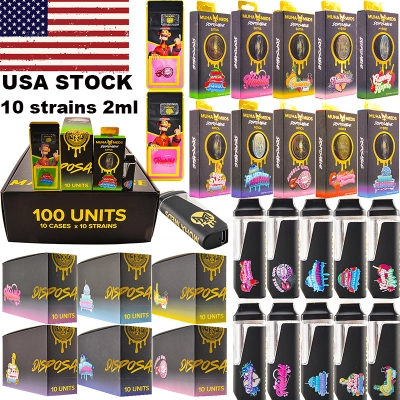
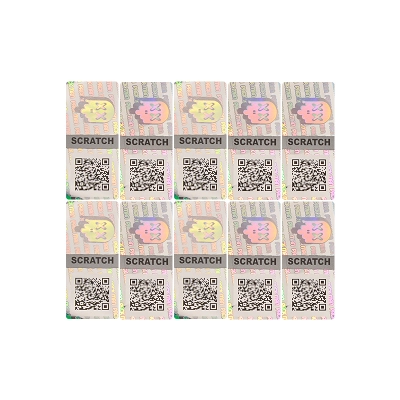
- Artwork & printing: check font weight, logo alignment, security elements, and regulatory statements against your verified references; crude printing or inconsistent warnings are red flags.
- Packaging structure: authentic-style programs keep dielines, warning zones, and batch/QR layout consistent across runs; chaotic variation suggests uncontrolled suppliers.
- Device behavior: random blink codes, no cut-off, or unsafe heating patterns indicate that no UL 8139-style thinking was applied and the batch should not be used.
- Missing UN 38.3 summary: if your vendor cannot produce a valid lithium battery test summary for the integrated cell, treat the stock as non-transportable at scale.
- Supplier transparency: reluctance to share factory details, certification scope, or lab contacts is itself an evidence point against using them.
Many enforcement and safety cases globally track back to unverified batteries and packaging—not just branding. Treat “fake muha meds” as a supply chain control problem, not merely a logo issue.
5. Pricing & ROI: Real Cost of Good vs Fake Muha Meds
Wholesale buyers often see offers that undercut credible Muha-style hardware by a few cents per unit. Without documentation and QC, those “savings” frequently convert into:
- higher DOA rates and leak rates,
- carton rework due to misprints or mislabels,
- lost shipments or holds at customs,
- and long-term brand damage if incidents occur.
A rational approach compares the total landed cost per passing unit, not the cheapest quote. Serious programs model:
- device price + freight + duties,
- expected reject rate based on sample data,
- cost of documentation gaps or relabeling,
- and risk-adjusted cost of non-compliance or recalls.
For a deeper look at how hardware tiers and documentation affect value, see how Muha-style SKUs are broken down in the Muha Meds pricing guide, and extrapolate those principles to your own empty-only sourcing policy.
6. Fast Checklist for Muha Meds Wholesale Buyers
Before you sign any Muha-style wholesale or OEM agreement, confirm that your short list of suppliers can pass this simple but strict filter:
| Question | Requirement | Why It Matters |
|---|---|---|
| Do you ship empty hardware only? | Yes; no illicit filled content. | Reduces legal exposure; aligns with clear division of roles (hardware vs licensed filler). |
| Can you provide UN 38.3 test summaries? | Yes, for each battery design. | Mandatory for compliant lithium battery transport; easy to verify against PHMSA guidance. |
| Do you have UL 8139 / IEC 62133-2 related evidence? | Yes; reports or program references. | Shows modern safety engineering; recognized by regulators and retailers. :contentReference[oaicite:4]{index=4} |
| Are wetted-path materials lab-tested? | Yes; accredited lab reports. | Supports heavy metal and contamination risk control; demanded by many state/provincial rules. |
| Can we match your products to public reference SKUs? | Yes; consistent specs & packaging. | Helps distinguish your lines from obvious fakes; enables stable SOPs. |
Use documented examples such as the empty Muha Meds 1g disposable to calibrate expectations on printing quality, labeling zones, and structural details; then require similar clarity for every Muha-style SKU you approve.
7. Legal & Safety Disclaimer
This guide is for informational purposes for licensed B2B buyers only. It:
- does not authorize trademark use or imply affiliation with any brand;
- does not market, sell, or recommend filled nicotine or THC products;
- reflects practices aligned with publicly available safety and regulatory resources as of 2025;
- must be read together with local laws, which always take priority.
For battery and device safety, buyers should review current guidance from PHMSA on lithium battery test summaries, UL on ENDS electrical safety, IEC 62133-2 on portable lithium cells, and public resources such as the FDA’s vape battery safety tips when designing their internal SOPs. :contentReference[oaicite:5]{index=5}
3 Comments
Useful information, well explained.
Always enjoy reading your posts.
Clear and to the point, love it.