
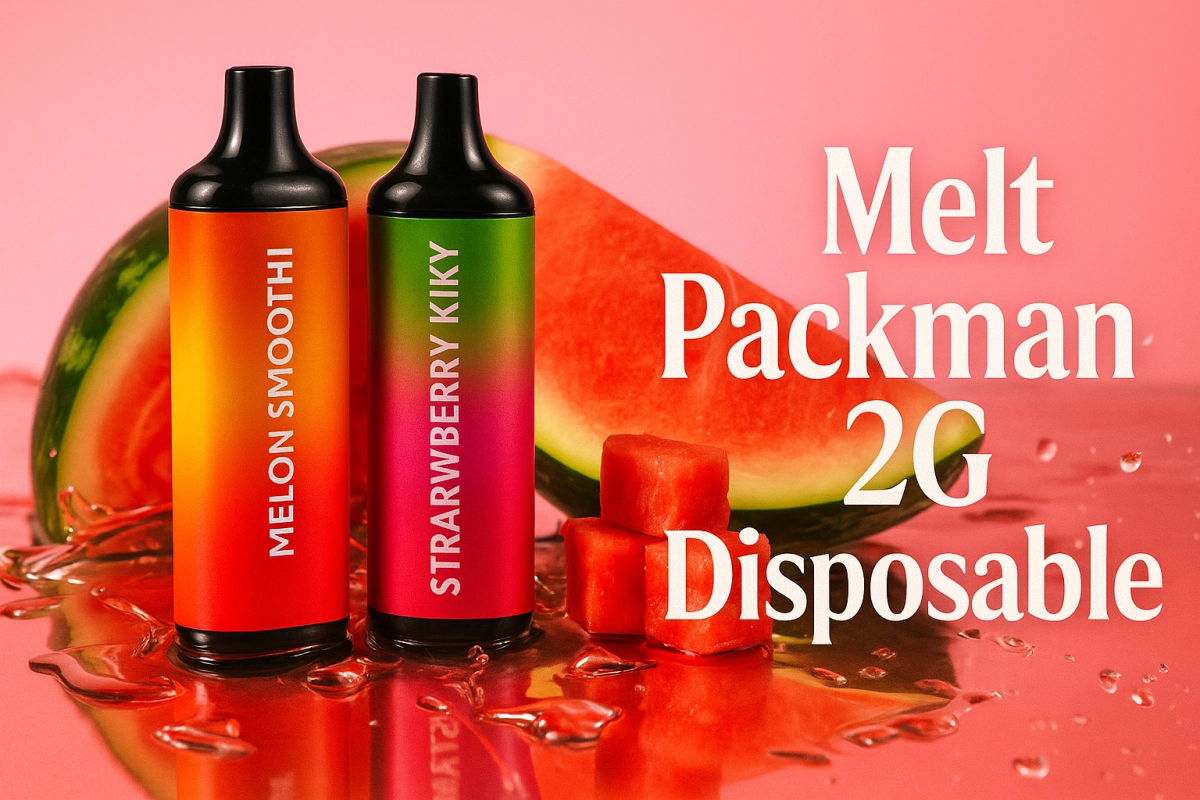
This article is written for B2B teams sourcing empty or compliant hardware only. If you are building a lineup around the Melt × Packman collaboration, start with the brand context at melt x packman and use this page to evaluate the melt packman 2g disposable format on specs, QC, and documentation—without hype.
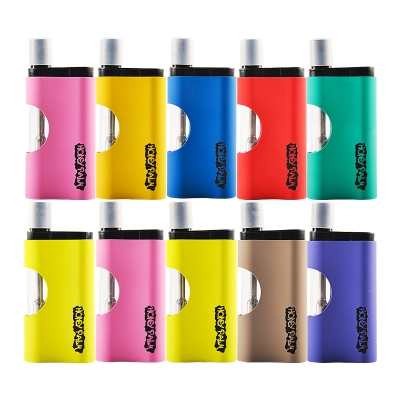
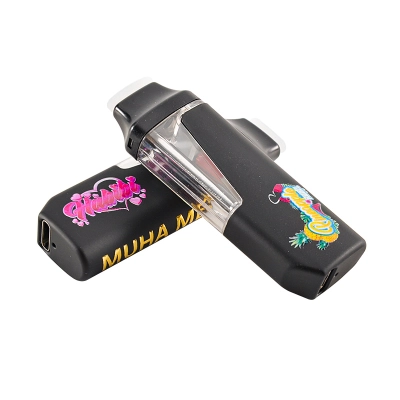
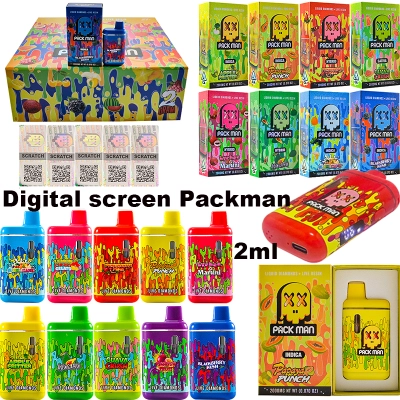
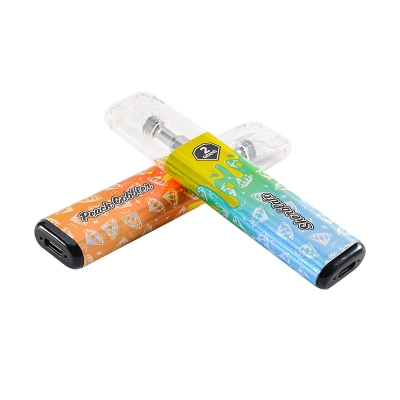
For professional buyers, melt packman 2g disposable should describe a repeatable 2 g platform: a defined reservoir, ceramic coil geometry, protected rechargeable system, and packaging that cleanly maps to lot IDs and labels. If you are surveying the full 2 g family, the consolidated collection at melt x packman 2g helps you compare batches, regional stock, and feature sets before you request quotes.
1) Hardware architecture that actually works for 2 g
Recommended baseline
- Reservoir: 2 g / ~2 ml class with disclosed tolerance.
- Coil: porous ceramic around 1.2–1.6 Ω for viscous matrices.
- Inlets: multi-port layout (e.g., ≥4 × 1.5–1.6 mm) to avoid starvation/flooding.
- Battery: ~280–350 mAh with over-charge/over-discharge/short protection.
- Activation: draw-activated chipset; consistent ramp in 1–2 s.
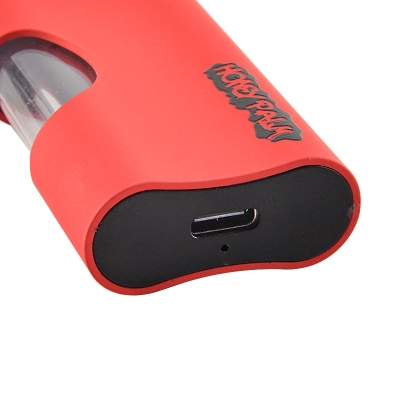
- Charging: Type-C preferred on current generations.
Why these ranges
At 2 g capacity, undersized intakes or weak cells create dry hits, leaks, and early returns. Fixing resistance and intake geometry improves cross-flavor repeatability, and protected recharge reduces thermal incidents while helping users finish the full tank.
Tip: run pilot fills with your thickest formulation and real distribution times (fill → cure → transport → shelf) before container-level commitments.
2) Variants & positioning inside the Melt × Packman family
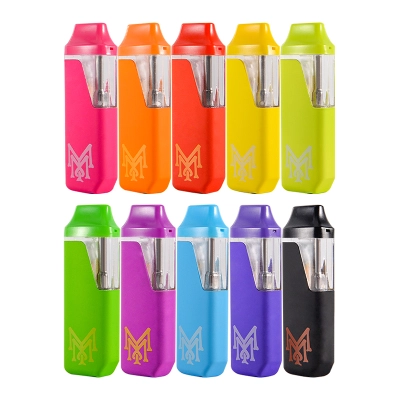
The collaboration spans multiple shells and SKUs. To keep search intent and user navigation clean:
- Treat the 2 g family as its own cluster (see the collection above) and keep non-2 g options under melt packman disposable so buyers don’t mix capacities in one quote.
- Use a single commercial landing for the exact query—melt packman 2g disposable—to centralize specifications, MOQ, and regional stock notes.
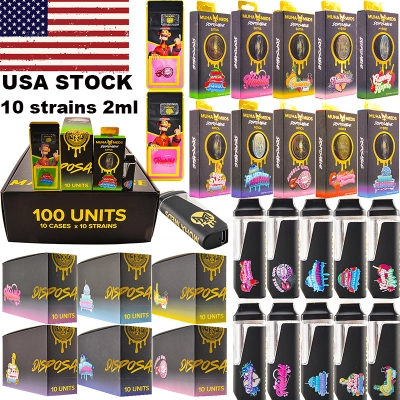
- Maintain identical tray/box language, placement for warning labels, and lot coding across all Melt × Packman shells to reduce relabeling friction.
3) Documentation pack: pricing makes sense only when paperwork exists
Realistic quotes for melt packman 2g disposable include compliance and logistics documents. Ask vendors for verifiable files—report numbers and issuing labs, not screenshots:
- UN 38.3 lithium battery test summary for the exact cell/pack used (see the UN/PHMSA guidance).
- Design alignment with UL 8139 principles for ENDS electrical systems (wiring, protection, heating).
- REACH/RoHS material declarations for mouthpiece, tank, seals, and insulators where applicable.
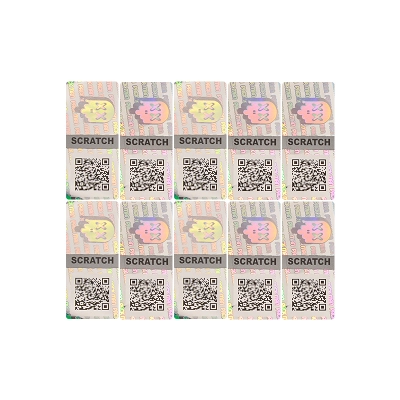
- Traceable lot IDs from master carton to unit; consistent with invoices and packing lists.
Reference resources: UN 38.3 test summary (PHMSA) · UL 8139 overview · IEC 62133-2 overview · ECHA REACH
4) 30-unit acceptance test your warehouse can run
Apply a short, objective protocol on each incoming Melt × Packman 2 g lot. Log results with lot IDs; small, repeatable evidence beats anecdotes:
| Check | Sample Size | Target / Threshold | What It Confirms |
|---|---|---|---|
| Dead-on-arrival (DOA) | 30 units | ≤ 1 failed unit (< 3.3%) | Assembly and battery stability. |
| Visible leakage | 30 units (48 h @ 23–25 °C) | 0 units with tank/mouthpiece leaks | Seal integrity through storage and local transport. |
| Draw resistance CV% | 30 units, fixed-flow rig | CV% ≤ 10% | Consistent user feel across the lot. |
| Activation delay | 30 units | 100% within 1–2 s | Chip and sensor responsiveness. |
Tightening these thresholds as your dataset grows will improve supplier scorecards and reduce downstream RMAs.
5) Logistics & sourcing: how to keep the risk low
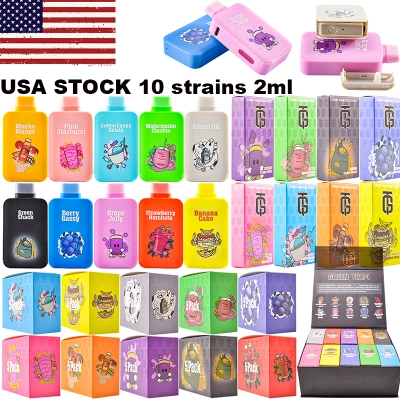
- Regional stock vs. ex-factory: domestic/near-market stock raises the unit quote but lowers lead-time volatility and seizure/return exposure.
- Configuration stability: lock molds, chip revisions, and intake dimensions in your PO; require change notifications.
- Packaging readiness: reserve space for local warnings/labels; standardize barcode/QR placement for audit trails.

2 Comments
I learned something new today, thanks!
Very helpful, looking forward to more posts.