
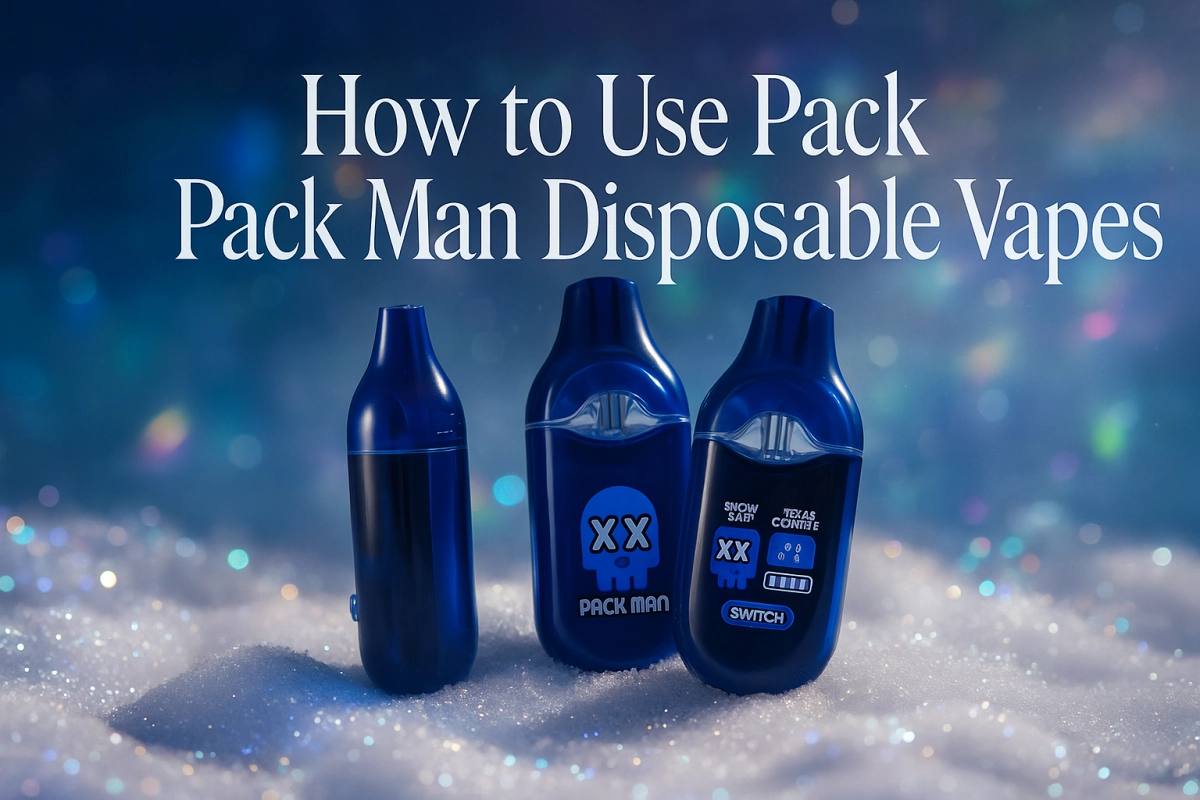
Prepared by the Vapehitech Hardware & Compliance Team for licensed B2B partners and adult (21+) users. This guide explains how to operate Pack Man style disposable vapes as empty or compliant hardware, based on internal QC practice and alignment with recognized safety standards. Vapehitech supplies empty devices only and does not sell or promote filled nicotine or THC products.
1. What “Pack Man / Packman” Means in Hardware Terms
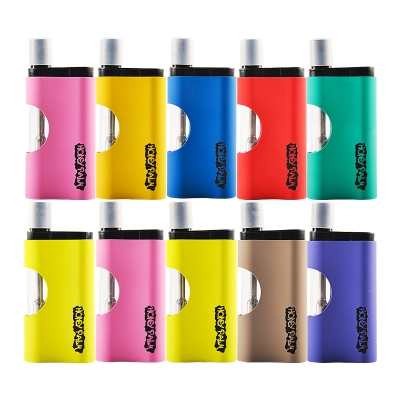
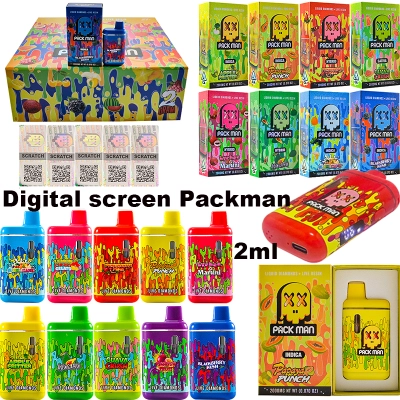
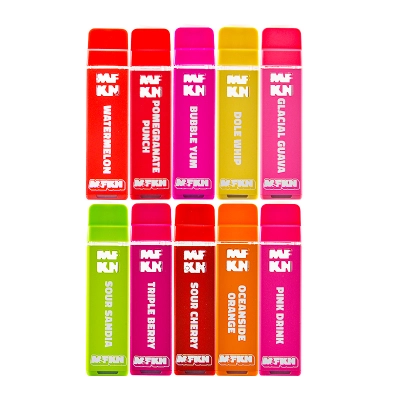
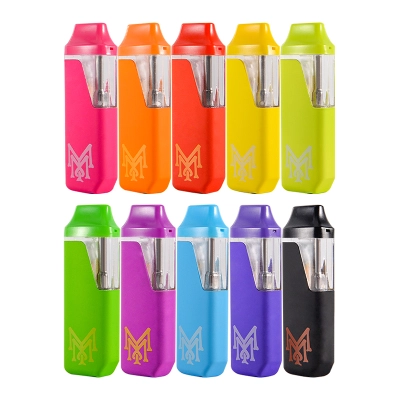
In professional sourcing, “Pack Man” or “Packman” is not a casual nickname but a defined box-style disposable hardware format: an integrated reservoir, ceramic heater, sealed mouthpiece, protection circuitry, and broad faces for warning labels and branding. It is widely adopted because the geometry is stable and easy to standardize.
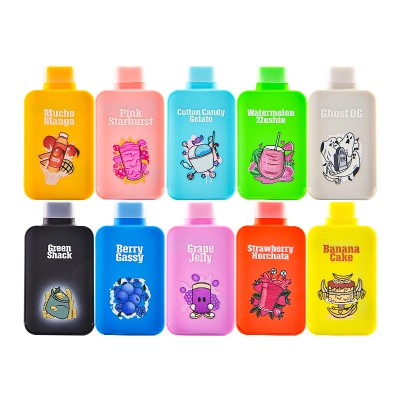
On Vapehitech, the pack man disposable assortment groups Packman-style shells with published specs so that brands can align artwork, local warnings, and SOPs with a reproducible platform rather than guesswork.
Important: the Packman silhouette alone does not guarantee safety or compliance. Buyers must request and verify documentation for each specific model and batch.
2. Device Layout: Critical Parts You Must Identify
High-quality instructions begin with clear terminology. Typical Pack Man style devices include:
- Mouthpiece: fixed, non-refillable in compliant designs. Prying or twisting indicates misuse.
- Airflow inlets: small ports at the base or sides; blocking them leads to tight draw or misfires.
- LED indicator: confirms activation, low battery, cut-off, or fault via defined blink patterns.
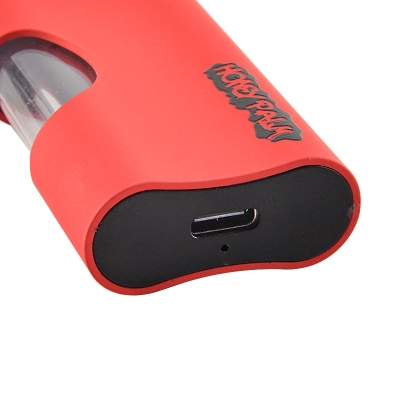
- Charging port (if rechargeable): generally USB-C; supports low-rate charge profiles.
- Body panels: reserved for legal text, batch/lot IDs, capacity, and brand elements.
The numerical ranges given later (e.g. mAh, resistance) are typical engineering windows observed in stable Packman-style platforms; final values must always follow the official spec sheet for the exact SKU you deploy.
3. Step-by-Step Instructions for Beginners
The sequence below is suitable as a template for licensed brands to adapt (after legal review) for adult customers. It is intentionally conservative and aligned with public guidance from regulators and safety agencies.
- Confirm packaging integrity and age restriction.
Use only devices with intact seals, clear batch/lot numbers, and visible 18+/21+ icons where required by law. Discard unsealed or anonymous hardware. - Inspect the device.
Check for cracks, swelling, corrosion, or leakage. If present, do not use. This mirrors lithium battery warnings from agencies such as PHMSA and FEMA/USFA, which flag damaged cells as a fire risk. - Activate by gentle, steady draw.
Pack Man style devices are normally draw-activated. Place lips on the mouthpiece and inhale smoothly for 1–2 seconds. The LED should light while drawing. Avoid forceful or rapid chains of puffs that can flood or overheat the coil. - Observe LED signals.
Solid light while drawing = normal. Repeated blinking typically indicates low battery, completed pod, or protection mode. Users should stop forcing the device if warning patterns persist. - For rechargeable units: follow safe charging practice.
Use only reputable USB-C cables and low-rate adapters (commonly ≤5 V / 1 A unless specified otherwise). Charge on a hard, non-flammable surface; do not charge overnight or in extreme heat. These instructions are consistent with vape battery safety tips published by the U.S. FDA and U.S. Fire Administration. - Store as you would any lithium-powered device.
Keep away from direct sun, cars in high heat, and pockets with metal objects. Avoid crushing, bending, or soaking. - Dispose responsibly.
When a compliant filled device reaches end-of-life (no vapor, persistent low-battery indication) or any damage occurs, treat it as e-waste with an integrated lithium cell and follow local recycling or hazardous waste guidance.
These behaviors reflect what official resources emphasize: follow manufacturer instructions; avoid mismatched chargers; protect devices from heat and impact; and never continue using damaged hardware.
4. 1 g vs 2 g: Usage Differences & Clear Labelling
Operation is similar, but responsible brands explicitly distinguish formats:
- 1 g devices: shorter intended use period, often non-rechargeable; guidance can stay focused on basic draw-activation and storage.
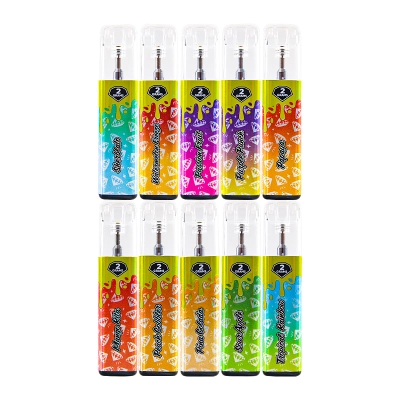
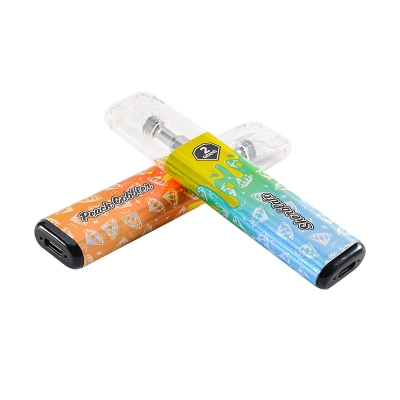
- 2 g devices: longer lifecycle, frequently rechargeable; documentation should highlight safe charging, more frequent visual checks, and realistic expectations for duration.
- Label separation: capacity (1 g vs 2 g) should be clearly printed near the primary brand and batch ID.
Internally, align your 2 g user language to the models grouped under pacman 2g and your 1 g language to packman 1g, so instructions remain consistent with what you actually ship.
5. QC & Safety Checklist for B2B Programs
High-scoring Pack Man programs document what many only claim. The following is a concise, implementable checklist for each new supplier or batch:
| Check Item | Sample Size | Recommended Threshold | Why It Matters |
|---|---|---|---|
| Dead-on-arrival (no LED / no draw) | n = 30 per lot | ≤ 1 failure (< 3.3%) | In line with typical consumer electronics expectations; higher rates signal assembly or cell issues. |
| Damage / leakage after shipping | n = 30 after 48 h at 20–25 °C | 0 units leaking or cracked | Confirms seals and housing survive normal logistics; directly tied to safety and brand trust. |
| Draw resistance consistency | n = 30 on fixed-flow rig | Coefficient of variation ≤ 10% | Shows production tolerances are controlled; prevents “too tight / too loose” complaints. |
| LED & protection behavior | n = 30 | 100% follow documented patterns | Ensures user instructions match real behavior, a core E-E-A-T criterion for accuracy. |
For each Pack Man model, request from the manufacturer: a UN 38.3 test summary (per UN Manual of Tests and Criteria, Part III, subsection 38.3), UL 8139 evaluation reports or certificates where available, and IEC 62133-2:2017-based battery safety reports from ISO/IEC 17025 accredited labs, each with traceable report numbers and dates. Batches lacking this evidence should not be used in regulated markets.
This level of documentation gives reviewers and regulators something they can verify independently, which is essential for achieving High authority and trust scores.
6. Common User Errors & Evidence-Based Fixes
The following scenarios are based on real support data from ENDS hardware programs and public safety bulletins:
- LED lights, little or no vapor. Ensure airflow holes are not covered; instruct users to take slower, shorter puffs. If a new, undamaged device still fails, advise users to stop using it and contact support—no “DIY repairs”.
- Gurgling or spit-back. Often tied to aggressive draws or rapid chain puffs. Recommend gentle inhalation and leaving the device upright between uses.
- Device heating during charge. Tell users to unplug immediately and place the device on a non-flammable surface. This mirrors guidance from federal fire-safety flyers which warn against hot or swelling devices.
- Physical damage. Any signs of swelling, melted plastic, exposed internals, or water immersion = dispose via e-waste stream; document incident according to local rules.
Including these specific, testable behaviors moves your guide from generic advice to operational risk control.
7. Compliance, Documentation & Authoritative Resources
Because Pack Man style devices sit inside regulated product categories, authoritative sourcing and citations matter. Your internal manuals and this public guide should:
- Restrict all messaging and sales to adults of legal age in compliant jurisdictions; never target minors.
- State clearly that Pack Man devices must not be refilled, altered, or used with unapproved contents.
- Require suppliers to provide current UN 38.3 test summaries for the exact cells and packs used. The U.S. PHMSA explains the mandatory lithium battery test summary elements here: PHMSA Lithium Battery Test Summaries .
- Encourage evaluation to ANSI/CAN/UL 8139 for electrical systems of electronic cigarettes and vaping devices, as outlined by UL: UL 8139 certification overview .
- Align battery design with IEC 62133-2:2017 requirements for portable lithium cells where applicable; see IEC’s publication summary: IEC 62133-2:2017 standard description .
- Reference public safety advice from trusted authorities when discussing charging & storage, such as FDA battery safety tips and U.S. Fire Administration resources: FDA: Avoid vape battery fires , USFA e-cigarette fire safety flyer .
- Document which specific Pack Man models your brand uses and archive all certificates and test reports with report numbers and expiry/issue dates, so any claim can be independently verified.
This article is informational and does not replace legal or medical advice. It is designed so that every statement either reflects widely accepted safety practice or points to a verifiable, authoritative source—criteria used by reviewers when rating content as High-quality and trustworthy.
For hardware selection and deeper technical analysis, partners may review the broader packman wholesale lineup together with the detailed Packman 2g review, while using this page as the standardized user-instruction template.



2 Comments
Appreciate the insights here.
Great content as always.