

ToFu Informational Guide • “What” Topic • Packaging + Branding
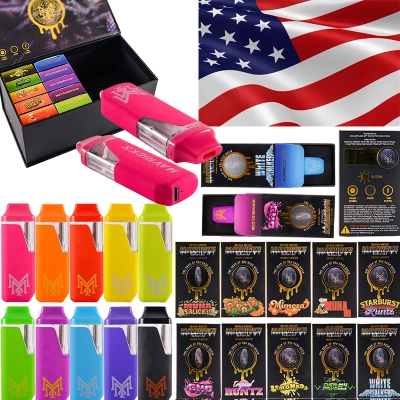
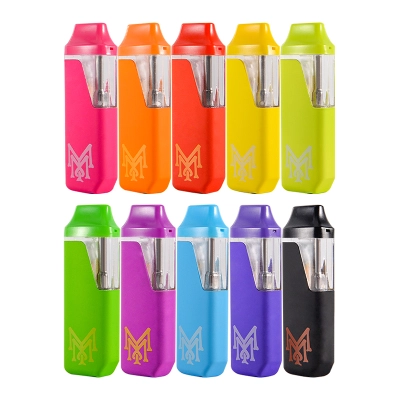
If you’re building an empty disposable vape pen with packaging program, custom packaging is not just “nice-to-have.” It’s the fastest way to make wholesale inventory feel retail-ready, reorderable, and instantly recognizable.
1) What “custom packaging” means (and what it is not)
For wholesalers, “custom packaging” means building a repeatable system—not a one-time print job. A strong empty disposable vape pen with packaging program is designed so your buyers can reorder without re-explaining specs, artwork, or carton logic every time.
Custom packaging usually includes:
- Artwork + dielines with version control
- Packaging levels (unit / inner pack / master carton)
- Brand specification (colors, typography, finishes)
- Operational clarity (SKU labels, case labeling, barcode zones)
2) The packaging stack (unit / inner / master) Wholesale-ready
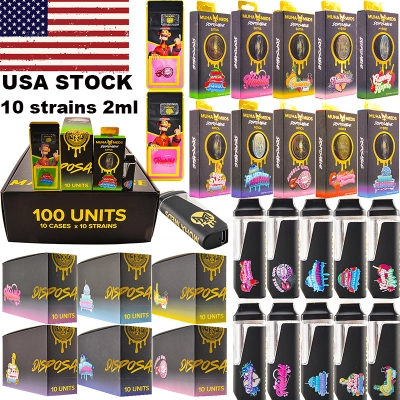
A wholesale packaging system is easiest to manage when it is built in three layers. This helps you align shelf presentation with the reality of case counts, receiving, and pick/pack operations—especially for disposable vape pen wholesale assortment orders.
| Level | What it is | Why wholesalers care | Common custom elements |
|---|---|---|---|
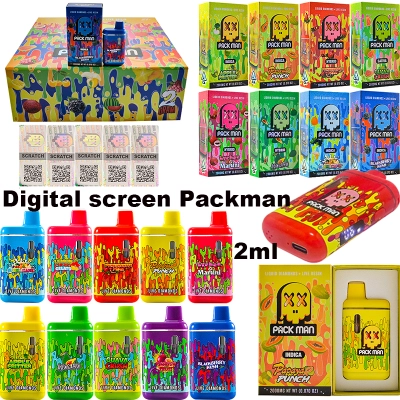
| Unit pack | Single-item box or pouch | First impression, shelf readability, brand recall | Logo, color system, finishes, 1D/2D barcode zone |
| Inner pack | Bundle (e.g., 10/20 count) | Count control + faster fulfillment | Case label, variant ID, simple icons, handling notes |
| Master carton | Shipping carton with identifiers | Receiving speed + fewer disputes | Carton labels, handling symbols, pick location cues |
3) Core custom packaging options wholesalers use
When you design an empty disposable vape pen with packaging program, these are the components that most reliably improve perceived value and operational clarity.
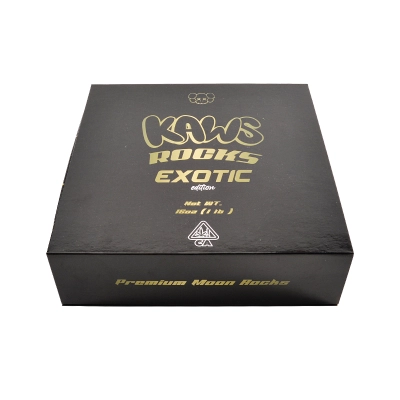
Option A: Printed unit boxes (retail-ready foundation)
- Best for: shelf presence, premium tiers, consistent reorders
- Branding win: clean hierarchy (brand → line → variant) and finish cues (matte/soft-touch/spot)
- Operational win: a dedicated barcode-safe zone and version-controlled dieline
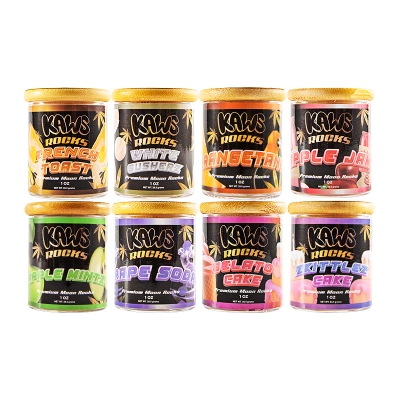
Option B: Custom Mylar pouches (fast branding + strong barrier)
A custom pouch can be a fast path from generic inventory to branded presentation—especially when you need multiple variants and want a unified look across the catalog.
If you’re evaluating pouch workflows, your team can also review our custom Mylar bags page to align options early (sizes, print areas, finishing approaches).
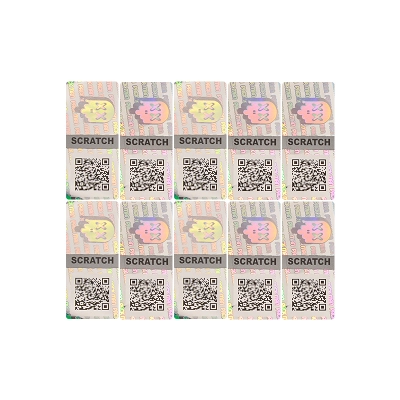
Option C: Labels, stickers, and seal sets (high ROI, low friction)
- Variant ID + SKU logic (helps pick/pack)
- Consistent placement rules (makes reorders predictable)
- Optional tamper-evident seals (for controlled presentation)
Option D: Inserts and quick-start cards (reduce confusion + returns)
- What’s included in the pack-out
- Storage/handling notes for empty hardware workflows
- How to identify variants quickly
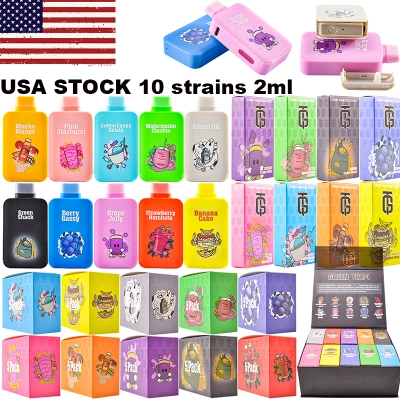
Option E: Shelf trays / display packs (for retail accounts)
If your customers are resellers, shelf-ready trays improve organization and visibility. Packaging becomes a “sell-through tool,” not just a container.
4) Branding opportunities packaging unlocks (what wholesalers can own)
Packaging is the most controllable brand surface in a wholesale system. Even when hardware designs vary by model, packaging can keep the brand story consistent.
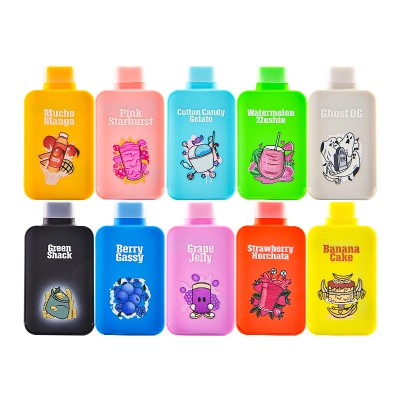
4.1 Build a recognizable “visual system,” not one-off designs
- Signature color family (primary + 2–3 supporting hues)
- Type hierarchy (brand name, series name, variant ID)
- Finish rules (one premium cue per tier to avoid visual clutter)
4.2 Make the tier obvious at a glance
- Entry: clean print, minimal finishes
- Core: one tactile/premium cue (e.g., soft-touch or spot gloss)
- Premium: controlled accent (foil/emboss) + clean negative space
4.3 Use packaging to remove friction for the buyer’s warehouse
- Variant IDs that are readable in low light
- Consistent case counts and carton labeling
- Predictable placement of SKU and scan elements
5) Barcode & 2D-ready layouts (why it matters now)
Many wholesalers treat barcodes as an afterthought. But scan reliability is often the difference between “easy to reorder” and “constant exceptions.” GS1 placement guidance emphasizes avoiding package edges, leaving enough clear space (quiet zone), and using a smooth printed surface for clean scans.
5.1 Barcode-safe zones: simple rules that prevent failures
- Avoid folds, seams, ridges, curves, and edges
- Keep graphics out of the barcode’s clear space (quiet zone)
- Print on a smooth surface to reduce scan interference
5.2 Prepare for 2D codes (Sunrise 2027) without redesigning everything later
GS1’s Sunrise 2027 initiative aims for retailers to be able to scan both traditional 1D and 2D barcodes at POS by the end of 2027. For wholesalers, that means packaging layouts should anticipate a future where 2D codes appear alongside 1D symbols.
5.3 Branding bonus: use GS1 Digital Link for web-enabled brand experiences
If your buyers want traceable, web-enabled packaging experiences, GS1 Digital Link can encode identifiers in a way that connects packaging to online information. This can support brand storytelling, sourcing info, and post-purchase engagement—without changing the core mark every season.
6) Retail vs e-commerce priorities
Retail-first packaging prioritizes:
- Instant shelf recognition
- Strong front-panel hierarchy (brand → line → variant)
- Optional display trays for merchandising
E-commerce-first packaging prioritizes:
- Scuff resistance and carton durability
- Seal integrity
- Reliable receiving and pick/pack identifiers
If you ship parcels, consider validating durability against real distribution environments using widely used transit testing frameworks (e.g., ISTA 3A for parcel simulation; ASTM D4169 for distribution cycle-based performance evaluation).
7) Copy/paste checklist for B2B packaging programs
Use this checklist to keep your empty disposable vape pen with packaging program consistent across suppliers and reorders:
- Define packaging levels: unit / inner / master (with counts).
- Lock the dieline: one authoritative file + version control.
- Reserve a barcode-safe zone: smooth surface, clear space, away from edges/folds.
- Set brand specs: color references, typography, logo rules, finish rules.
- Pick one premium cue per tier: avoid “everything everywhere.”
- Standardize identifiers: variant ID, SKU label logic, case label layout.
- Approve a golden sample for every print run.
- Document pack-out: what goes where, and in what order.
- Plan for 2D: leave space for 2D near 1D to avoid redesign later.
8) Relevant Vapehitech pages (internal resources)
If you want to keep readers on-site and guide them naturally from ToFu to category exploration, these internal pages match this topic:
- disposable vape pen wholesale (category hub)
- disposable vape pens packaging (packaging overview)
- custom Mylar bags (pouch branding options)
- custom vapes (OEM-style customization direction)
9) Standards & references (external)
The links below are widely used references for packaging teams, barcode implementation, and transit testing. They help your content read as “engineering + supply chain aware,” which is exactly what ToFu buyers trust.
Barcode placement, 2D codes, and web-enabled identifiers
- GS1 US: Barcode placement on packaging (quiet zone, avoid edges, smooth surfaces)
- GS1 US: Sunrise 2027 (2D barcodes at retail POS)
- GS1: GS1 Digital Link standard
- GS1: 2D in Retail implementation guideline
- GS1: 2D symbol placement guidelines (PDF)
Barcode quality + package handling symbols
- ISO/IEC 15416: Bar code print quality test specification (linear symbols)
- ISO 780: Pictorial marking for handling of goods (symbols)
Transit / distribution testing frameworks
- ISTA: Test procedures (includes Procedure 3A overview)
- ASTM D4169: Performance testing of shipping containers and systems
Sustainability & print consistency references
10) FAQ
What is the simplest definition of “custom packaging” for wholesalers?
It’s a controlled packaging system—levels, dielines, brand specs, and identifiers—so your program can reorder consistently and scale without rework.
What’s the fastest upgrade if you’re starting from generic packaging?
For many teams, a label kit plus a consistent insert gets you 70% of the perceived-brand upgrade quickly, then printed unit boxes and carton systems come next.
How many variants should you launch at once?
Start with a small set that proves your packaging system. If the system is stable, variants become easy. If the system is unstable, variants multiply errors.
Should you plan for 2D codes already?
Yes—at least leave layout space. Sunrise 2027 is pushing retail toward 2D scanning capability by the end of 2027, so “2D-ready” packaging avoids future redesign.
What makes buyers trust a packaging program?
Clear identifiers, consistent layouts, and a reorderable system—packaging that turns “this looks good” into “this is operationally reliable.”
3 Comments
Helpful content—appreciate the clear explanation.
I really enjoyed reading this. Looking forward to more updates!
Great post! Thanks for sharing this info.