
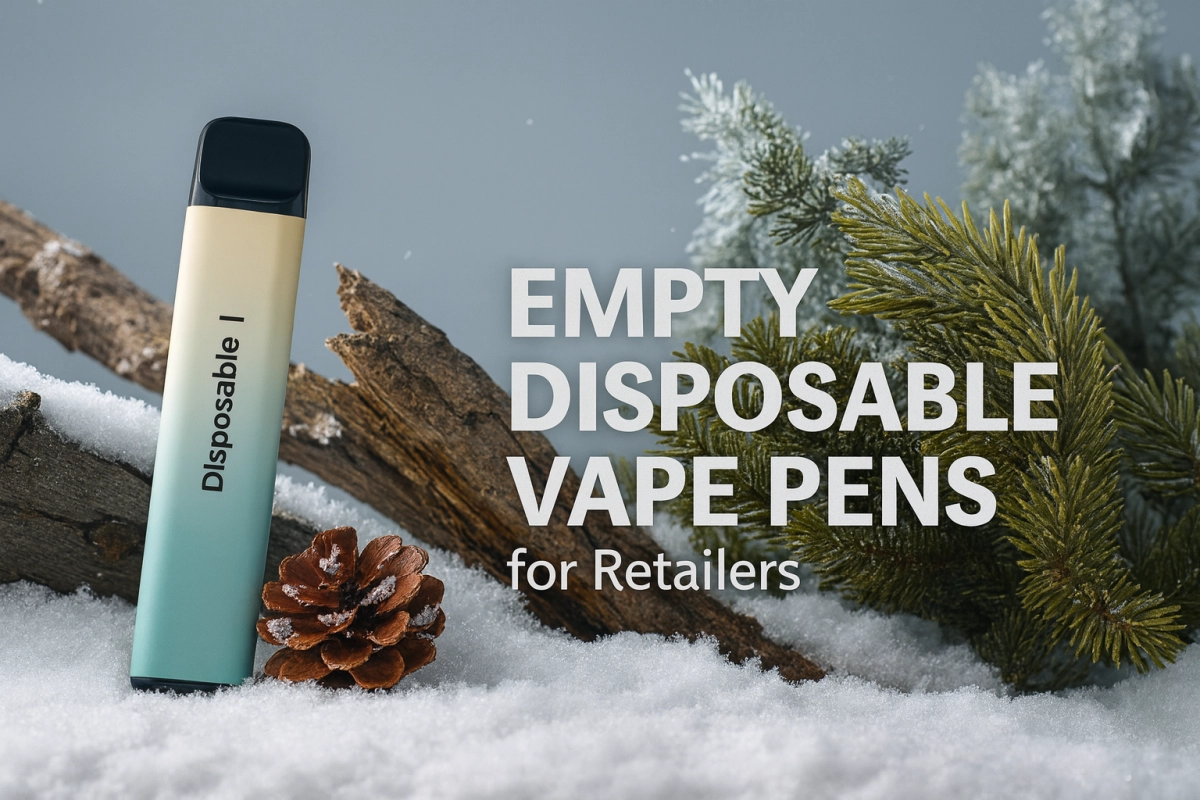
If you run a vape shop, online store, or small distribution business, you have probably seen offers for empty disposable vape pens alongside prefilled devices. This guide explains what “empty” disposable hardware actually is, how manufacturing and quality standards typically work, and where the wholesale opportunities are for retailers who want more control over their brands and margins.
1) What is an empty disposable vape pen? (B2B definition)
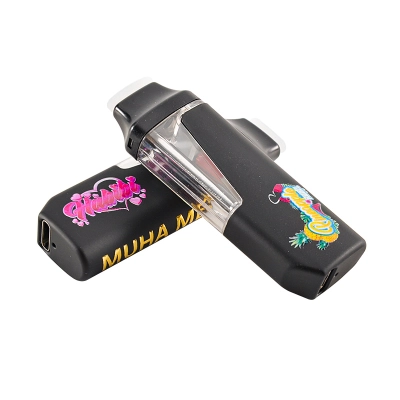
In consumer conversation, “disposable vapes” are usually prefilled devices that are ready to use out of the box. In B2B wholesale, an empty disposable vape pen is different: it is a one-piece hardware device that ships with no liquid inside. Retailers or brand owners work with their own filling, branding, and compliance partners, while the hardware supplier focuses on mechanical design, consistency, and packaging.
From a retailer’s perspective, an empty disposable vape pen usually includes:
- A sealed housing designed for one-time use rather than refilling.
- An internal power and heating unit sized for the intended capacity and use pattern.
- Pre-configured airflow and activation design (for example, draw-activated).
- Brandable exterior surfaces and packaging ready for custom artwork.
Compared with modular solutions like separate carts and devices, empty disposables are “all-in-one” units. Once they are filled and packaged by your chosen partners, the end user does not separate or reuse components; the entire device is treated as a single SKU in your inventory.
2) Manufacturing standards for empty disposable hardware
Serious retailers and wholesalers care less about one “perfect sample” and more about how well each production lot matches a defined standard. In manufacturing terms, this means agreeing on specifications, following documented processes, and checking consistency across units and lots.
2.1 Housing, materials, and finish
The outer shell of an empty disposable device does more than hold components together. It must survive production, filling, transport, storage, and everyday handling without cracking, deforming, or showing obvious cosmetic defects.
- Materials: housings typically use combinations of plastics and metals selected for durability and compatibility with intended fillings, while remaining lightweight.
- Surface finish: coatings and printing should adhere evenly and resist normal scuffing in transit and on shelves.
- Fit and alignment: seams, mouthpiece fit, and visible joints should be aligned and free from sharp edges or obvious gaps.
Many factories use general quality management frameworks such as ISO 9001–style quality management systems to document and control these processes, even if the devices themselves are not certified to a specific product standard.
2.2 Assembly, sealing, and transport robustness
Empty disposable hardware must be assembled in a way that supports later filling and sealing while protecting the device during transport. Retailers should pay attention to:
- How the mouthpiece and body are joined and sealed.
- How fill ports (if visible) are closed after filling by your partners.
- How well devices tolerate typical shipping conditions without visible damage.
- Whether the factory has documented tests for handling and basic robustness.
Organizations like the American Society for Quality (ASQ) provide general guidance on how manufacturers can structure quality management and testing routines. You do not need to be an engineer to ask whether your hardware suppliers follow similar principles.
2.3 Visual and functional quality control
In practice, most wholesale buyers focus on a combination of visual checks and simple functional checks that can be repeated in their own warehouse:
- Visual inspection of housing, seams, printing, and labels across multiple units per lot.
- Basic checks that devices activate and draw as expected once filled and prepared by your partners.
- Verification that lot IDs and packaging labels match your purchase order and tracking system.
- Clear criteria for what counts as a defect and how replacements or credits are handled.
The key is not having a complex lab, but having a simple, documented way to compare each lot to your agreed baseline so you can talk to suppliers in specific, evidence-based terms when something goes wrong.
3) Wholesale opportunities for retailers and small distributors
When retailers first encounter empty disposable hardware, the natural question is “Why not just buy fully branded, prefilled devices?” The answer comes down to control, flexibility, and long-term margins.
3.1 Brand and portfolio control
Empty disposables let retailers and brand owners control the visible identity of their products. Instead of carrying a long list of third-party brands, you can:
- Develop a consistent visual identity across formats and capacities.
- Decide which flavors or formulations are paired with which hardware formats.
- Adapt packaging messaging to local regulations and customer expectations.
This level of control is difficult to achieve when you rely entirely on external brands whose packaging, messaging, and lifecycle decisions you do not influence.
3.2 Margin structure and long-term economics
Buying recognized third-party brands can be convenient, but a significant portion of the end-user price is locked into someone else’s brand equity and overhead. With empty hardware, retailers usually:
- Pay a clearer, hardware-focused price per unit.
- Layer their own costs (filling, compliance, marketing) in a transparent way.
- Build value that accumulates in their own brand rather than a supplier’s logo.
The up-front work is higher, but so is the potential upside if your house brand gains traction.
3.3 Portfolio flexibility
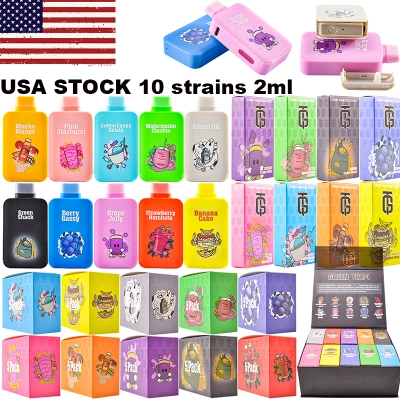
With empty hardware, you can mix and match formats to fit your customers instead of being limited to a fixed menu. For example, some retailers carry:
- Standard-capacity devices for casual or price-sensitive customers.
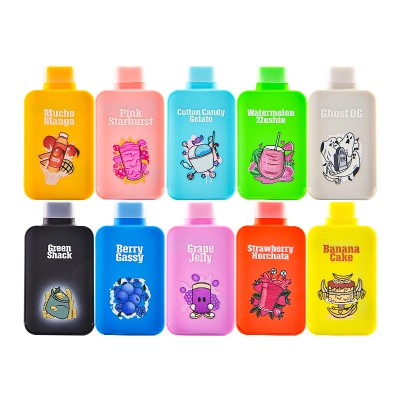
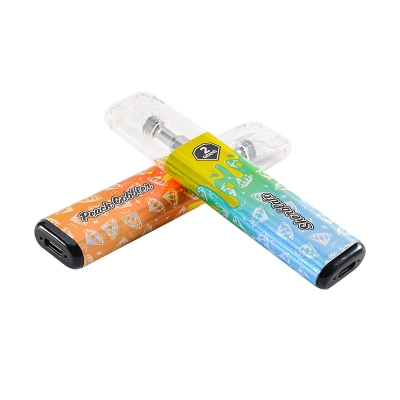
- A 2g disposable vape pen format for frequent users or markets that prefer higher capacity.
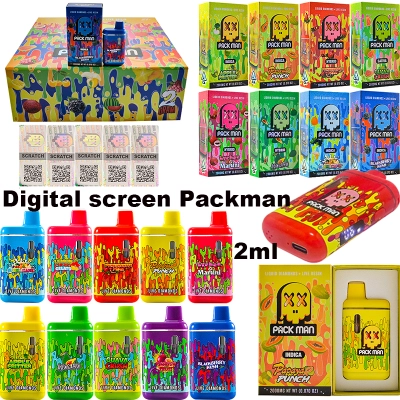
- Feature devices with screens or special finishes for premium positioning.
Because you control the branding and the mix of formats, you can adjust your portfolio as demand shifts without waiting for third-party brands to redesign their lines.
4) How to evaluate empty hardware suppliers
Not all empty disposable vape pen suppliers operate at the same level. A structured evaluation process keeps you from choosing partners based only on price or a single sample.
4.1 Due-diligence questions
Before placing a serious order, confirm at least the following points in writing:
- Which formats and capacities they can support, and which are their most stable SKUs.
- What documentation they provide (spec sheets, drawings, packaging dimensions).
- Typical lead times for first-time and repeat orders.
- MOQ for standard shells and for custom-printed shells or packaging.
- How they handle visible defects or packaging issues in wholesale batches.
4.2 Sample and lot testing
Treat sampling as a miniature version of the real thing, not a separate exercise:
- Request multiple units from at least two different production lots, not just one hand-built sample.
- Check housing finish, fit, and basic activation behavior across units.
- Inspect packaging and labels for clarity and consistency.
- Document findings with photos and short notes, tied to lot IDs.
Over time, this creates a record of which suppliers consistently hit your expectations and which ones drift or change quality without clear communication.
4.3 Documentation and process signals
You do not need to audit a factory like a certification body, but you can look for simple signals that they treat quality and documentation seriously. For example:
- They can show you how they track changes to designs and packaging over time.
- They have a consistent way to label and trace lots internally.
- They can explain their inspection steps in simple, concrete language.
Guides from organizations such as ISO and ASQ describe the general principles of documented processes and continuous improvement that many reliable factories aim to follow, even when producing consumer devices.
5) How empty disposables fit into a disposable vape pen wholesale strategy
Empty hardware is not a complete business model on its own. It is one building block in a broader disposable vape pen wholesale strategy that covers sourcing, pricing, filling, branding, and distribution.
At a high level, most retailers who succeed with empty disposable devices follow a progression like this:
- Define which customer segments they serve and which device formats fit each segment.
- Shortlist a small number of hardware suppliers and filling/branding partners.
- Run limited test batches to validate demand, margin, and quality consistency.
- Scale only once the complete chain from hardware to retail shelf is stable.
If you are ready to explore the next layer—supplier mix, pricing ladders, and distribution planning—a dedicated disposable vape pen wholesale strategy guide can walk you through MoFu-level topics in more detail.
6) Quick checklist before your next empty hardware order
Before committing to your next batch of empty disposable devices, run through this short checklist:
Product and supplier clarity
- Do you have a clear definition of which empty formats you need and why?
- Have you seen spec sheets and photos for each candidate device and its packaging?
- Do you understand the supplier’s MOQ and volume-based price tiers?
- Is there a clear process for handling visible defects or packaging issues?
Process and portfolio planning
- Do you know which partners will handle filling, compliance, and branding?
- Have you planned small test batches with defined success metrics?
- Do you know how empty hardware fits into your broader product portfolio?
- Are you prepared to track lot IDs and basic QC results for each batch?
Empty disposable vape pens are most powerful when you treat them as a structured part of your business—connected to quality systems, brand planning, and realistic wholesale economics—rather than as a one-off bargain purchase.
References (authoritative resources)
These resources discuss general quality management, process control, and helpful content principles that underpin many of the ideas in this guide.
- ISO – ISO 9001: Quality management systems
- ISO – Standards catalogue and guidance
- ASQ – Quality Management System (QMS) resources
- ASQ – Quality resources and frameworks
- Google Search Central – Creating helpful, reliable, people-first content
Internal links in this article are intentionally limited (fewer than five) and use concise, descriptive anchors pointing to relevant hardware and strategy pages on VapeHiTech, helping readers and search engines understand how empty disposable devices fit into the broader wholesale ecosystem.
2 Comments
Good information, thanks for posting!
I enjoyed reading this, very clear and useful.