
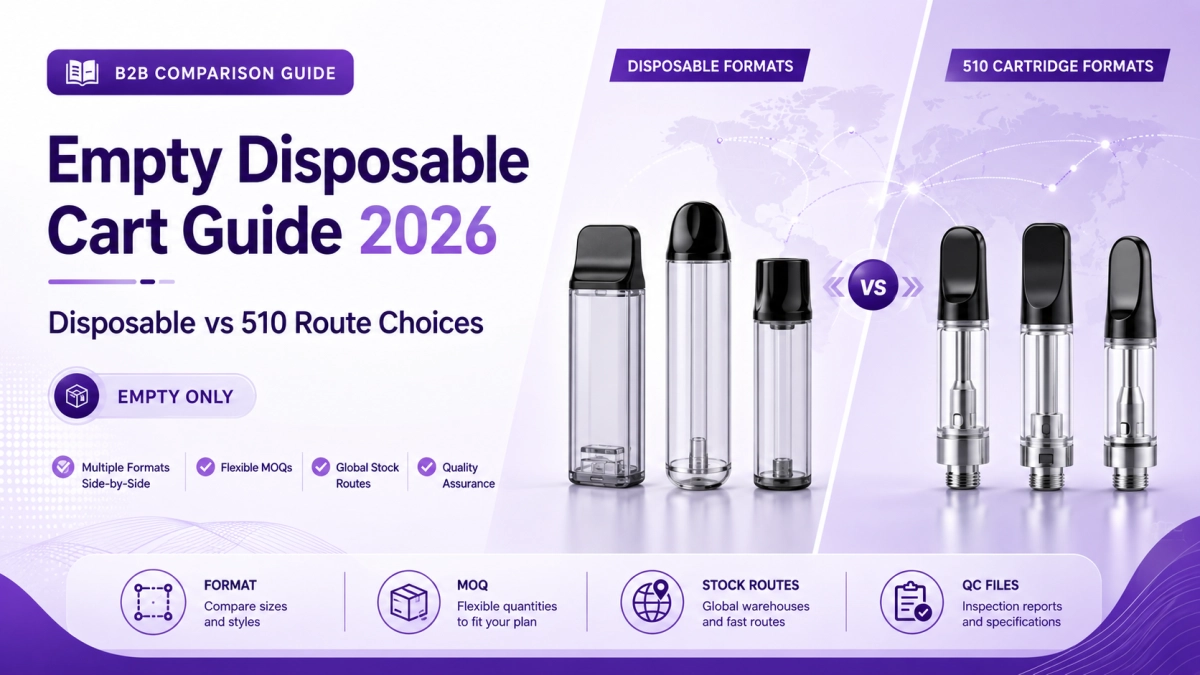
Scope: This guide is written for empty only sourcing. It compares disposable formats and 510 cartridge routes for product records, MOQ planning, stock-route review, supplier documentation, carton files, lot inspection, and receiving checks. It does not cover filling steps, consumption guidance, health claims, potency claims, or end-user instructions.
Why this comparison matters
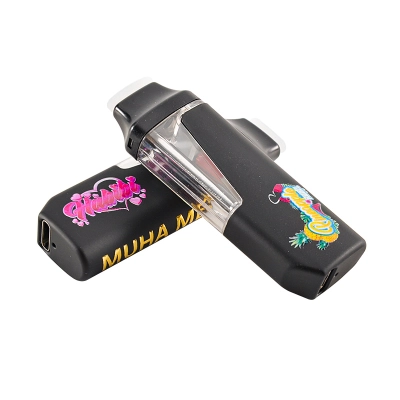
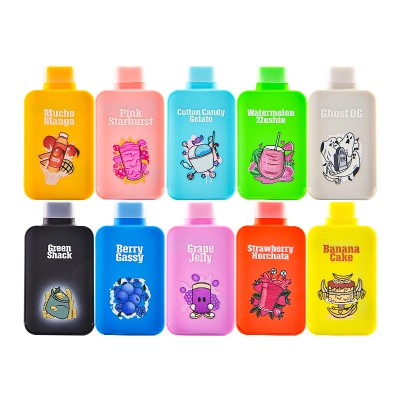
An empty disposable cart and a 510 cartridge route can both support empty only B2B sourcing, but they are not reviewed the same way. The disposable route usually combines format, shell, mouthpiece, window area, screen area where used, and carton route into one sourcing file. The 510 cartridge route usually separates the cartridge line from the matching use-case file, so fit records, capacity records, and reorder control become especially important.
This guide helps sourcing teams, brand operators, warehouse teams, and compliance coordinators compare the two routes without turning the article into a sales page. The goal is to make the buyer file clearer: route, capacity, MOQ, stock location, package count, inspection rule, and destination-market review.
The key idea
Do not choose by price alone. Choose by route fit: empty only wording, format record, capacity record, MOQ basis, stock route, carton proof, inspection plan, and change-control rule.
Quick answer
Choose the disposable route when the buyer wants one integrated empty only format, clearer shelf-ready packaging records, simpler SKU handoff, and a single route for sample approval. Choose the 510 cartridge route when the buyer wants a cartridge-focused file, broader compatibility review, more capacity segmentation, and easier separation of cartridge inventory from other project files.
Disposable route works best when
The buyer wants one empty only format file, one carton count, one sample approval record, and one receiving checklist.
510 cartridge route works best when
The buyer wants cartridge-level SKU control, fit records, capacity separation, and repeat-order consistency.
MOQ is not one number
Ask for sample MOQ, pilot MOQ, bulk MOQ, package MOQ, stock MOQ, and reorder MOQ separately.
Best final check
Match the route file against the quote, packing list, carton mark, inspection report, and receiving file.
Empty only scope and wording
The first comparison point is wording. The quote, invoice title, sample label, packing list, carton mark, and receiving record should all use empty only wording. If wording changes across documents, the buyer file becomes harder to audit and harder to repeat.
| Scope field | Buyer question | Record to request |
|---|---|---|
| Order title | Is the route clearly listed as empty only? | Quote, proforma invoice, sample label, and supplier confirmation. |
| Route name | Is the route written as disposable, 510 cartridge, or another approved wording? | Specification sheet, SKU list, and sample photo set. |
| Capacity wording | Does the same capacity wording appear across all order files? | Quote sheet, package proof, packing list, and carton mark. |
| Stock route | Is the lot held in local stock, regional stock, or overseas production? | Warehouse note, lot count, carton photos, and release date. |
| Destination review | Which market rules should the buyer review before final approval? | Buyer-side legal, import, tax, and licensed-market notes. |
Disposable route vs 510 cartridge route
A comparison guide should not treat both routes as identical. Buyers comparing 510 vape cartridges with disposable formats should review route structure, capacity range, MOQ basis, package count, stock route, sample approval, and reorder controls side by side.
| Decision area | Disposable route | 510 cartridge route |
|---|---|---|
| Best sourcing use | One integrated empty only format with one product record and one package route. | Cartridge-focused file with stronger separation by capacity, thread route, and SKU group. |
| Buyer file | Format, capacity, shell route, mouthpiece route, screen route where used, pack count, and carton basis. | Cartridge name, capacity, 510 route, core route, material declaration, pack count, and fit record. |
| MOQ planning | Often affected by shell, finish, screen route, printed package, and stock route. | Often affected by capacity, route type, pack count, and reorder quantity. |
| Stock route | Useful when buyers need ready stock, route photos, carton count, and faster sample comparison. | Useful when buyers need cartridge inventory by capacity and repeat-order control. |
| Inspection focus | Appearance, cap fit, screen area where used, shell finish, pack count, carton mark, and visible damage. | Thread route, core route, mouthpiece fit, visible defects, capacity wording, pack count, and carton mark. |
| Reorder risk | Risk increases if shell route, finish, screen route, or package route changes without notice. | Risk increases if 510 route, capacity, core route, or pack count changes without notice. |
When to choose the disposable route
The disposable route is often the better choice when the buyer wants one simple project file: empty only product name, capacity, package proof, carton count, stock route, and inspection plan. This can make communication easier when the project involves multiple warehouses or a tight receiving window.
| Choose this route when | Buyer benefit | File to keep |
|---|---|---|
| The buyer wants a single empty only format file | Fewer separate records to coordinate across quote, sample, packing list, and carton mark. | Specification sheet, sample photos, package proof, and carton count. |
| The order relies on local stock or regional stock | Faster review of lot photos, carton condition, and available quantity. | Stock list, warehouse route, lot reference, and release date. |
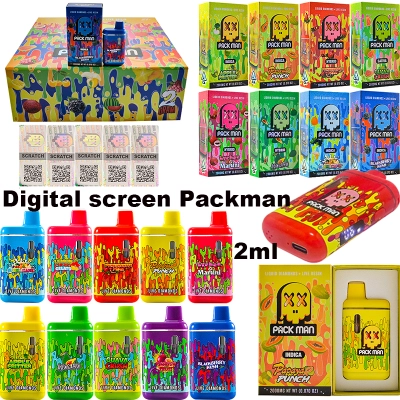
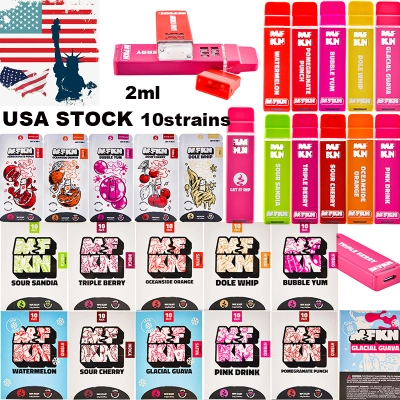
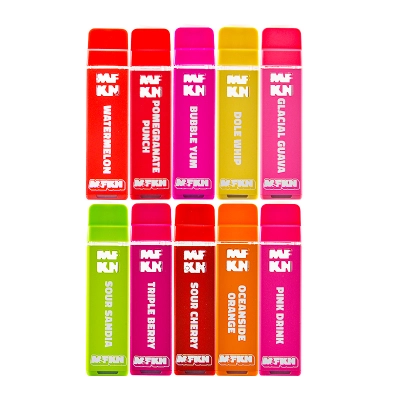
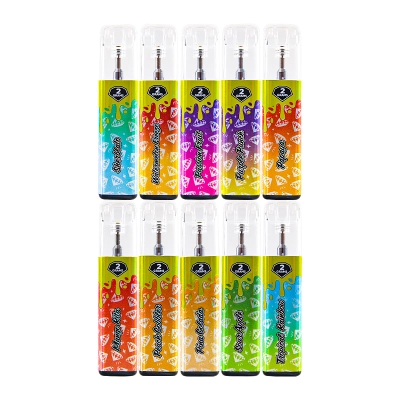
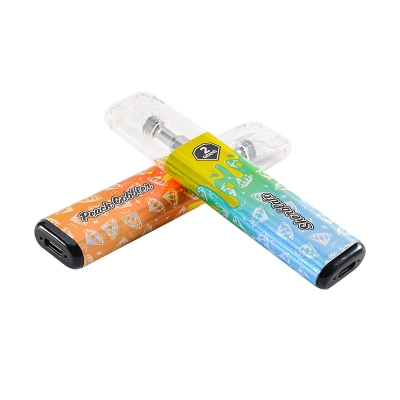
| The project needs a 2ml route | Capacity, MOQ, and carton count can be reviewed as a single disposable line. | 2ml empty disposables, pack count, carton basis, and inspection note. |
| The buyer wants screen-area review | Screen placement, surface finish, and appearance can be checked in the same QC plan. | Close-up photos, defect examples, proof file, and AQL report. |
When to choose the 510 cartridge route
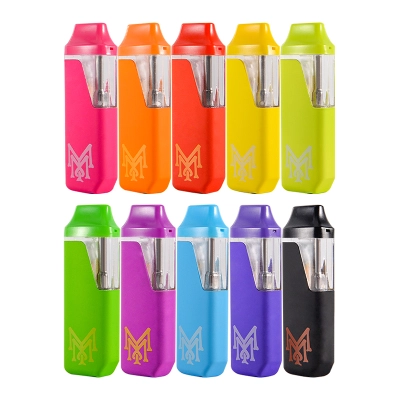
The 510 cartridge route is often the better choice when the buyer wants a cartridge-focused supply file with separate capacity records, thread-route review, and repeat-order consistency. Buyers comparing empty 510 cartridges should request one record per capacity and one approval file per route.
| Choose this route when | Buyer benefit | File to keep |
|---|---|---|
| The buyer needs cartridge-level SKU control | Each capacity and route can be stored, counted, and reordered separately. | SKU sheet, capacity wording, pack count, and carton mark. |
| The buyer wants a clear 510 route record | Thread route, fit check, mouthpiece route, and visible-defect limits can be reviewed directly. | Fit record, sample photo set, inspection notes, and change-control file. |
| The buyer compares 1ml lines | Capacity records can be kept separate from larger or smaller routes. | 1ml vape cartridges, sample approval, and pack count. |
| The buyer plans repeat orders | Route consistency can be checked against the prior approval file. | Approved sample file, supplier declaration, and reorder change notice. |
MOQ, capacity, and pack count
MOQ should be written as a set of thresholds, not as one loose number. Disposable formats and 510 cartridges can have different minimums because the route, capacity, package, stock location, and print work may not share the same production basis.
| MOQ field | Disposable route question | 510 cartridge route question |
|---|---|---|
| Sample MOQ | How many empty only samples are available by format and capacity? | How many samples are available by cartridge capacity and 510 route? |
| Pilot MOQ | Is there a smaller route for first-lot packaging and receiving checks? | Can the buyer test a smaller cartridge line before bulk approval? |
| Bulk MOQ | Which quantity unlocks the bulk unit basis and carton plan? | Which quantity applies by capacity, pack count, and reorder plan? |
| Package MOQ | Does the package proof require a separate minimum? | Does cartridge packaging use a different minimum from the cartridge line? |
| Stock MOQ | Is the local-stock minimum different from overseas production? | Is stock sold by piece, tray, inner box, or master carton? |
| Reorder MOQ | Will the same minimum apply after the first approved lot? | Can the same route and pack count be repeated without reapproval? |
For package quantity review, NIST Handbook 133 can help buyers organize questions about stated quantity, sampling, and package records. It does not replace destination-market review.
Stock routes and lead-time records
Stock route affects available quantity, carton condition, shipping handoff, lead-time planning, and claim handling. A comparison should separate local stock, regional stock, and overseas production instead of mixing all routes into one price line.
| Stock route | Best used when | Records to confirm |
|---|---|---|
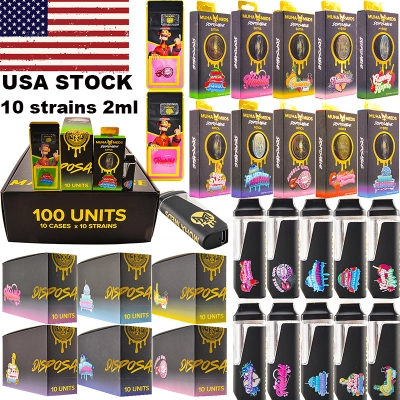
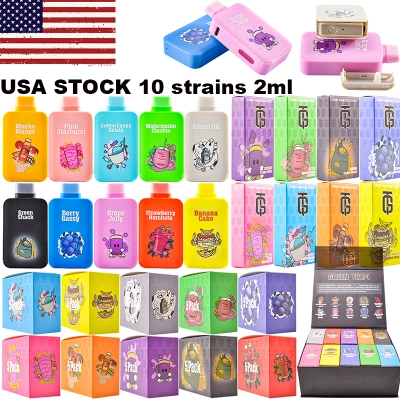
| USA stock | The buyer needs domestic handoff, faster lot photos, and shorter receiving review. | Warehouse location, stock count, carton count, lot reference, and release date. |
| UK stock | The buyer needs a UK route, local carton photos, and route-specific package review. | Warehouse route, available quantity, carton mark, and duty/tax review where relevant. |
| EU stock | The buyer needs regional stock review and multi-country planning. | Warehouse route, lot count, EU notification review notes where relevant, and pack proof. |
| Overseas production | The buyer needs broader route selection, package planning, and scheduled repeat orders. | Production timeline, sample approval, AQL plan, packing list, and shipment photos. |
For the United States, buyers should review FDA tobacco import requirements before import planning. For the United Kingdom, HMRC's Vaping Products Duty timeline is relevant when a UK route involves products covered by that policy.
QC, AQL, and receiving checks
A comparison is incomplete without QC. The buyer should define lot size, sample size, defect categories, checked quantity, photo proof, hold rule, release rule, and claim process before production or stock release.
| QC layer | Disposable route focus | 510 cartridge route focus |
|---|---|---|
| Appearance | Shell finish, cap fit, screen area where used, print alignment, and visible damage. | Tube finish, mouthpiece fit, thread area, visible particles, and pack condition. |
| Route identity | Correct format, correct capacity, correct package proof, and correct carton mark. | Correct 510 route, correct capacity, correct pack count, and correct carton mark. |
| Carton check | Pieces per tray, trays per box, boxes per carton, gross weight, and dimensions. | Pieces per tray, trays per inner box, master carton count, gross weight, and dimensions. |
| Defect categories | Critical, major, and minor defects agreed before release. | Critical, major, and minor defects agreed before release. |
| Receiving review | Compare received cartons against stock file, carton mark, and release photos. | Compare received cartons against approved cartridge file and packing list. |
For lot-by-lot inspection, ISO 2859-1:2026 AQL sampling is the key standards-body reference for inspection by attributes. For lab-file credibility where reports are used, ISO/IEC 17025 laboratory competence can help buyers review the report context.
Supplier approval file
The supplier approval file should make the route reviewable by people who were not part of the first message thread. Keep one file per selected route and avoid mixing disposable formats with 510 cartridge records.
| File | What it should include | How buyers use it |
|---|---|---|
| Quote sheet | Empty only scope, selected route, capacity, MOQ, unit basis, stock route, lead time, and validity date. | Compares suppliers without mixing sample, pilot, bulk, and stock terms. |
| Specification sheet | Format route or 510 route, capacity, material declaration, package route, carton basis, and inspection basis. | Creates the reference file for sample approval and reorders. |
| Sample approval | Sample quantity, date, route, photos, appearance check, pack check, and approval decision. | Defines the comparison point for bulk inspection. |
| Inspection report | Sampling basis, checked quantity, defect list, carton count, photos, and release decision. | Supports shipment approval and receiving review. |
| Change-control note | Notice rule before route, finish, packaging, carton, or supplier-process changes. | Protects repeat-order consistency. |
For supplier process review, ISO 9001 quality management guidance can help buyers discuss document control, corrective action, and repeatable process records.
2026 buyer notes
Destination-market review should happen before final approval. Supplier files support sourcing, but they do not replace legal, import, tax, labeling, warehouse, or licensed-market review.
| Market note | Buyer action | Helpful source |
|---|---|---|
| United States | Confirm how FDA requirements apply to the planned route, import file, package wording, and entry data. | FDA ENDS components and parts |
| United States 2026 | Review current FDA enforcement-priority guidance before relying on older assumptions. | 2026 ENDS enforcement priorities |
| European Union | For routes that fall within e-cigarette and refill requirements, check EU-CEG timing and data responsibilities. | EU-CEG notification steps |
| United Kingdom | Confirm the GB or Northern Ireland notification route and any HMRC duty-stamp planning that applies. | UK e-cigarette product rules |
Route scorecard
A scorecard helps buyers compare routes without relying only on price. Each score should be based on written evidence.
| Score area | Suggested weight | Evidence to review |
|---|---|---|
| Empty only scope | 15 | Quote wording, invoice title, sample label, packing list, and carton mark. |
| Route clarity | 15 | Disposable format or 510 cartridge route, capacity, sample photos, and SKU list. |
| MOQ planning | 10 | Sample MOQ, pilot MOQ, bulk MOQ, package MOQ, stock MOQ, and reorder MOQ. |
| Stock-route proof | 10 | Warehouse route, stock quantity, carton count, release date, and route limits. |
| Material and report file | 15 | Part-by-part declaration, report scope, report date, and lab review where relevant. |
| Wholesale QC readiness | 15 | AQL plan, defect categories, photo proof, hold rule, release rule, and claim process. |
| Packaging and carton records | 10 | Proof file, pack count, carton mark, dimensions, gross weight, and shipment photos. |
| Reorder control | 10 | Written notice before route, finish, package, carton, or process changes. |
RFQ template
This RFQ template helps buyers collect comparable answers before approving samples or bulk orders.
Subject: RFQ for Empty Only Route Comparison - Disposable Format vs 510 Cartridge
Scope: Empty only
Destination market: [insert country, state, region, or licensed-market route]
Route option A: [disposable format / capacity / stock route / package route]
Route option B: [510 cartridge route / capacity / pack count / stock route]
Quantity target: [sample / pilot / bulk / stock / reorder]
MOQ request: [sample MOQ / pilot MOQ / bulk MOQ / package MOQ / stock MOQ / reorder MOQ]
Sample review: [sample quantity / sample photos / appearance check / package check / carton basis]
Packaging route: [tray / inner box / master carton / buyer-approved route]
Carton record: [pieces per pack / packs per carton / carton dimensions / gross weight / carton mark]
QC request: [appearance / capacity wording / route identity / pack count / carton count / photo record]
Document request: [quote sheet / specification sheet / material declaration / proof file / inspection report / packing list / lab file where relevant]
Trade term: [EXW / FOB / FCA / DAP / DDP / buyer-specified term]
Target receiving window: [insert date range]
Claim process: [shortage, mixed item, appearance defect, packaging issue, or carton issue process]
For international trade-term wording, Incoterms 2020 delivery responsibilities can help teams write the rule version and named place clearly.
Supplier questions
- Can you confirm in writing that the order is empty only?
- Which route is being quoted: disposable format, 510 cartridge, or both?
- What exact product name, SKU, and capacity wording will appear on the quote and packing list?
- What sample quantity can be checked before bulk approval?
- What are the sample MOQ, pilot MOQ, bulk MOQ, package MOQ, stock MOQ, and reorder MOQ?
- Is the price based on pieces, trays, inner boxes, master cartons, or total lot quantity?
- Which stock route applies, and where is the lot held before release?
- Can you provide current stock count, carton count, dimensions, and gross weight?
- Can you provide proof photos before mass approval?
- Which QC checks are completed before release?
- Which sampling basis can be used for lot-by-lot inspection?
- How will you handle shortage, mixed items, appearance defects, packaging issues, or carton damage?
- Will the approved sample file be reused for repeat orders?
- How will you notify the buyer if the route, finish, packaging route, carton basis, or process changes?
Official references
These references support a neutral buying file. They do not replace legal, import, tax, or licensed-market review.
| Reference area | Use in the buying file | Official source |
|---|---|---|
| US ENDS scope | Regulatory scope, components and parts, and buyer-side compliance review. | FDA ENDS page |
| US 2026 enforcement | Current FDA guidance review for unauthorized ENDS and nicotine pouch products. | FDA 2026 enforcement guidance |
| US import | Import entry, product description, labeling, and FDA review planning. | FDA tobacco import page |
| EU notification | EU-CEG submission timing and data responsibilities where relevant. | European Commission EU-CEG guide |
| UK notification | GB and Northern Ireland notification-route review. | GOV.UK e-cigarette rules |
| UK duty planning | Duty-stamp timing, approval planning, and UK route documentation where relevant. | GOV.UK Vaping Products Duty |
| Lot inspection | Sampling plan, AQL discussion, and lot-by-lot inspection structure. | ISO 2859-1:2026 |
| Supplier process | Quality management, document control, and corrective action review. | ISO 9001 explained |
| Quantity records | Package quantity review and net contents concepts. | NIST Handbook 133 |
| Lab competence | Review of laboratory competence and report credibility. | ISO/IEC 17025 |
| Traceability fields | Batch, lot, and barcode data where barcodes are used. | GS1 Application Identifiers |
| Trade terms | Named place, rule version, and responsibility split. | ICC Incoterms 2020 |
FAQ
What does empty disposable cart mean in this guide?
It means an empty only disposable cart route reviewed for B2B comparison, route selection, MOQ planning, stock-route records, packaging files, inspection planning, and supplier approval. This guide does not cover filling steps, consumption guidance, health claims, potency claims, or end-user instructions.
When should buyers choose a disposable route?
Buyers often choose a disposable route when they want one integrated empty only product file, one package route, one carton count, and a simpler receiving checklist.
When should buyers choose a 510 cartridge route?
Buyers often choose a 510 cartridge route when they need cartridge-level SKU control, capacity separation, thread-route records, and repeat-order consistency.
How should MOQ be compared?
MOQ should be compared by sample MOQ, pilot MOQ, bulk MOQ, package MOQ, stock MOQ, and reorder MOQ. Buyers should also confirm whether the quote is based on pieces, trays, inner boxes, master cartons, or a total lot.
Is a product photo enough for route approval?
No. A photo is useful, but buyers should also request a specification sheet, sample approval record, packaging proof, inspection report, carton record, and change-control note.
What should be included in a wholesale QC plan?
A wholesale QC plan should include lot size, sampling basis, defect categories, checked quantity, photo requirements, carton count, hold rule, release rule, and claim process.
Is this legal advice?
No. This is an educational B2B sourcing guide. Buyers should use qualified legal, import, tax, and licensed-market support before final approval.
0 Comments