
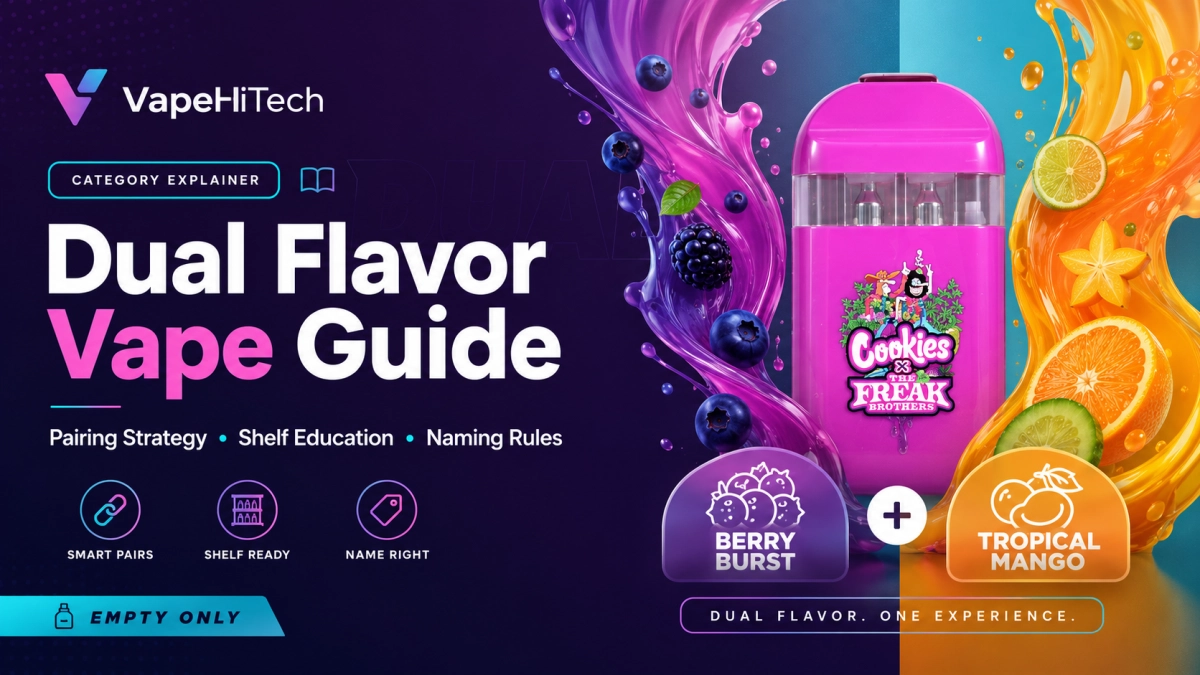
Scope: This educational category explainer is written for qualified wholesale buyers, retail catalog teams and shelf-education teams reviewing empty only dual-flavor listings in markets where allowed. It covers flavor-pairing strategy, shelf education, product naming rules, variant fields, package notes and claim-control checks. It does not cover filled material, formulas, filling steps, dosage claims, potency claims, health claims, medical claims, therapeutic claims or consumption guidance.
Why dual flavor needs a clear category explanation
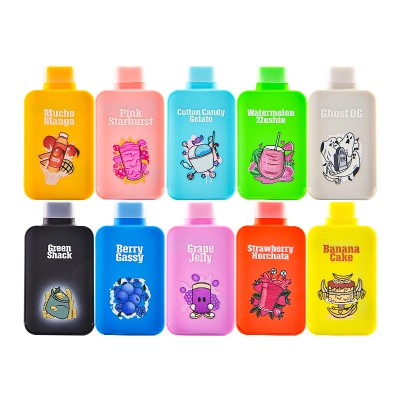
Retailers reviewing a dual flavor vape need more than a flavor list. They need a practical way to separate flavor-pair wording, chamber layout, capacity format, parent category routing and shelf education notes before a listing goes live.
The main SEO and catalog challenge is that buyers may use several phrases for the same family: dual flavor, dual chamber, 1+1, 1ml+1ml, 2ml or 2g. A good TOFU explainer should define the idea clearly, then show how to organize names, pair logic, proof files and retailer-facing answers without turning the page into a direct sales pitch.
The key idea
Use dual flavor as the shopper-facing concept, then keep flavor pair, chamber layout, capacity and proof status as separate catalog fields.
Quick answer
A dual flavor category page or blog brief should explain how two flavor names are paired, how the pair is shown on the shelf, how capacity is written and how product titles stay readable. The best structure is simple: one parent category, one approved title formula, one flavor-pair table and one proof checklist.
Pairing logic
Group flavors by contrast, complement, familiar blends or seasonal sets, then store the exact pair name in a controlled field.
Shelf education
Give retailers short, factual notes that explain the pair without adding unsupported claims.
Naming rules
Keep the public title short and move longer pair notes into the spec block or comparison table.
Proof control
Match title, flavor pair, capacity wording, package proof and carton wording before publication.
What dual flavor means
Merriam-Webster defines dual as consisting of two parts or elements. In retail naming, that basic meaning should be translated into a practical product-record rule: the listing should make it clear that two flavor names are being presented as one paired row.
Do not let the word dual carry every detail. The phrase should introduce the two-part concept, while the product record should separately explain capacity, chamber layout, flavor pair, version cue and proof status.
| Term | Retail meaning | Where to record it |
|---|---|---|
| Dual flavor | Two flavor names presented as a paired row. | Title or category summary. |
| Flavor pair | The exact two-name flavor combination. | Flavor-pair field and comparison table. |
| Dual chamber | The chamber layout phrase used in a catalog row when proof supports it. | Spec block and variant field. |
| 1+1 or 1ml+1ml | A capacity split used to explain how the two-part listing is documented. | Technical note, spec block or buyer sheet. |
| 2ml or 2g | A broader capacity route that may group related rows. | Parent route, capacity field and title review. |
Flavor-pairing strategy
Flavor pairing should be clear enough for a buyer to scan and structured enough for a catalog team to maintain. The USDA National Agricultural Library's flavor chemistry background is a useful reminder that flavor is shaped by both taste and aroma cues, so naming should not treat flavor as a random keyword list.
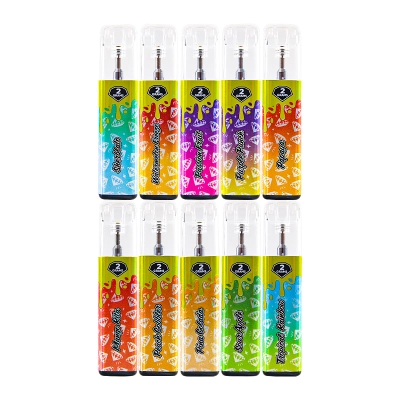
For capacity-based routing, a 2ml vape pen category can help teams separate 1ml+1ml, 2ml and 2g wording before building public titles. For brand-level routing, Choices Lab dual flavor can support a paragraph about how related dual-flavor rows sit under a parent brand collection.
| Pairing angle | How retailers can explain it | Catalog field to control |
|---|---|---|
| Complementary pair | Two flavors that read as a familiar blend, such as fruit with cream or fruit with dessert notes. | Flavor-pair family. |
| Contrast pair | Two names that create a sharper shelf cue, such as sweet plus cool or tropical plus sour. | Pairing rationale. |
| Seasonal pair | A pair tied to a seasonal assortment plan or limited shelf window. | Seasonal status. |
| Brand-led pair | A pair that should stay close to the parent brand's naming pattern. | Brand route and approved wording. |
| Capacity-led pair | A pair that depends on a 1+1, 1ml+1ml or 2ml record. | Capacity note and proof status. |
Pairing rule
A flavor-pair list is not a claim list. Keep the wording descriptive, consistent and tied to proof files.
Shelf education map
Shelf education should give a retailer a short answer to three questions: what the pair means, how the row differs from nearby rows and what proof should be checked before the listing is published. A concise education note is usually more useful than a long promotional paragraph.
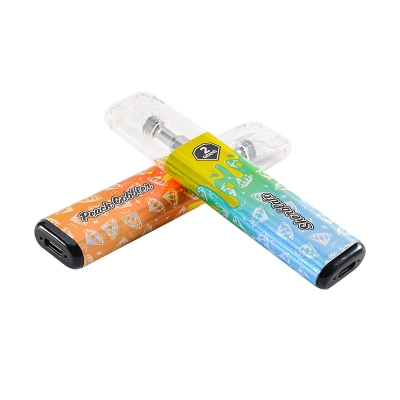
Use PLUME 1+1 dual flavor as an example when the article explains 1+1 or 1ml+1ml naming. Use Smoothie Bar dual chamber when explaining how dual flavor and dual chamber wording can appear together in a retail row.
| Shelf question | Recommended short answer | Do not add |
|---|---|---|
| What does dual flavor mean? | It means the row is built around two named flavors presented as one pair. | Health, effect or potency language. |
| How should staff describe the pair? | Use the exact approved flavor names and a short pairing note. | Invented taste rankings or unsupported comparisons. |
| How should the title be written? | Use brand family, capacity cue, dual-flavor phrase and the flavor-pair cue only when needed. | Long keyword strings or repeated flavor words. |
| What should be checked before launch? | Title, package proof, flavor-pair spelling, capacity wording and carton wording. | Unverified claims copied from informal listings. |
Product naming rules
Google Merchant Center title guidance says product titles should clearly describe the product shown on the landing page and distinguish between variants. Applied to dual flavor catalog work, the public title should identify the row while the flavor-pair table carries longer details.
A clean title formula should use the same order across related rows. Keep the exact pair name stable, avoid promotional words and match the live page to the proof file.
| Title part | Recommended use | Example pattern |
|---|---|---|
| Brand family | Start with the approved brand or collection route. | Brand + capacity + dual flavor + pair cue. |
| Capacity cue | Use the same capacity phrase across page, quote and proof. | 2ml, 2g, 1+1 or 1ml+1ml as approved. |
| Dual-flavor phrase | Use once when it helps identify the row. | Dual Flavor or Dual-Flavor, based on the proof file. |
| Flavor pair | Add only when the pair is the main variant difference. | Flavor A + Flavor B. |
| Version cue | Use only when verified. | V2, V3 or another approved version phrase. |
Title rule
The title should identify the row. The spec block should explain the row. The comparison table should show how the row differs from related rows.
Variant and catalog logic
Google's product variant structured data uses ProductGroup with shared family information and hasVariant for the variants, while variesBy identifies what changes between variants. Schema.org also lists hasVariant, productGroupID and variesBy under ProductGroup. For dual flavor planning, this offers a useful catalog model even when the article itself is not a product feed.
| Variant dimension | What changes | Where to store it |
|---|---|---|
| Flavor pair | Flavor A + Flavor B. | Flavor-pair field. |
| Capacity | 2ml, 2g, 1+1 or 1ml+1ml wording. | Capacity field. |
| Chamber wording | Dual flavor, dual chamber or 1+1 wording. | Layout field. |
| Brand route | Parent brand or collection page. | Parent route. |
| Proof status | Pending, approved, revised or archived. | Proof record. |
Retail proof checklist
GS1 US describes product data quality around data governance, education and training, and physical audit of product data. For a dual flavor category explainer, the retail lesson is simple: every public field should be traceable to a current file.
| Proof item | What to confirm | Why it matters |
|---|---|---|
| Public title | Brand, capacity, dual-flavor phrase and pair cue. | Prevents inconsistent naming across rows. |
| Flavor-pair list | Exact spelling, punctuation, order and active status. | Prevents flavor-name drift. |
| Package proof | Front, side, back and carton wording. | Connects shelf education to the approved visual record. |
| Capacity note | 2ml, 2g, 1+1 or 1ml+1ml wording. | Keeps title and buyer sheet aligned. |
| Market review | Packaging, labeling and claim language by market. | Prevents one-market copy from being treated as universal. |
Claim-control notes
FTC advertising guidance says claims should be truthful, not deceptive or unfair, and evidence-based. California Department of Cannabis Control packaging guidance also highlights packaging requirements, while its labeling guidance says cannabis products must be labeled so consumers know what they are buying or using.
For this empty only article, the practical rule is to stay educational. Explain flavor-pair structure, shelf education and naming control. Do not add medical, therapeutic, potency, dosage, effect or outcome claims.
| Area | Safer wording | Avoid |
|---|---|---|
| Scope | Empty only category explainer for qualified wholesale and retail catalog review. | Filled material, formulas, filling steps or use directions. |
| Flavor | Flavor names, pairing logic and approved pair list. | Unsupported taste rankings or effect claims. |
| Shelf education | Short, factual notes for retail teams. | Pressure language or exaggerated claims. |
| Packaging | Market-specific package and label review. | Universal clearance statements. |
| Title control | Accurate title, variant cue and proof-matched wording. | Keyword stuffing or copied marketplace claims. |
Official references
These sources support the article's definition, catalog structure, product data logic, truthful marketing reminders and package-review awareness. They do not replace qualified legal, customs, tax, trademark, labeling or regulated-market advice.
| Reference area | Use in this article | Source |
|---|---|---|
| Definition of dual | Use to explain the two-part meaning behind dual flavor. | dual means two parts |
| Flavor background | Use when explaining why pair logic should be more structured than a random flavor list. | flavor chemistry background |
| Variant structure | Use when explaining ProductGroup, hasVariant and variesBy as a catalog planning model. | product variant structured data |
| Product group logic | Use when explaining flavor pair, capacity and version as variant dimensions. | ProductGroup variant logic |
| Product data accuracy | Use when keeping public titles, descriptions and landing pages aligned. | product data accuracy |
| Title field rules | Use when explaining why titles should clearly describe the product and distinguish variants. | product title requirements |
| Data quality | Use when linking proof files, education notes and product records. | product data quality framework |
| Truthful claims | Use when explaining why the article avoids unsupported claims. | truthful marketing claims |
| Packaging review | Use when reminding teams that package requirements should be checked by market. | cannabis packaging guidance |
| Label review | Use when keeping shelf education, package proof and label wording aligned. | cannabis labeling checklist |
FAQ
What is a dual flavor vape?
It is a retail naming concept for a row built around two named flavors presented as one pair. The pair should be supported by an approved title, flavor-pair field and package proof.
How should retailers explain dual flavor on shelf?
Use short, factual wording: name the two flavors, explain that they are presented as one pair and avoid unsupported effect, potency or health claims.
What belongs in a flavor-pairing strategy?
A pairing strategy should include pair family, exact flavor names, capacity wording, parent route, active status, package proof and market-review notes.
How should product names be written?
Use a repeatable order: brand family, capacity cue, dual-flavor phrase and the flavor-pair cue only when the pair is the main variant difference.
Should every flavor pair get its own title?
Only when the flavor pair is the main difference between rows. Otherwise, place the pair in the spec block or comparison table.
Can this article discuss filled material or use instructions?
No. This article is empty only and should not include filled material, formulas, filling steps, dosage claims, potency claims, health claims, medical claims, therapeutic claims or consumption guidance.
Is this legal advice?
No. This is an educational B2B category explainer. Retailers and catalog teams should seek qualified legal, customs, tax, trademark, labeling and regulated-market support before final publication.
```
0 Comments