
Commercial/Comparison (MoFu) · Empty hardware only · EU/US fulfillment
Written for procurement and QC leads: reproducible methods, objective metrics, and compliance references—so teams can compare devices beyond cosmetics.
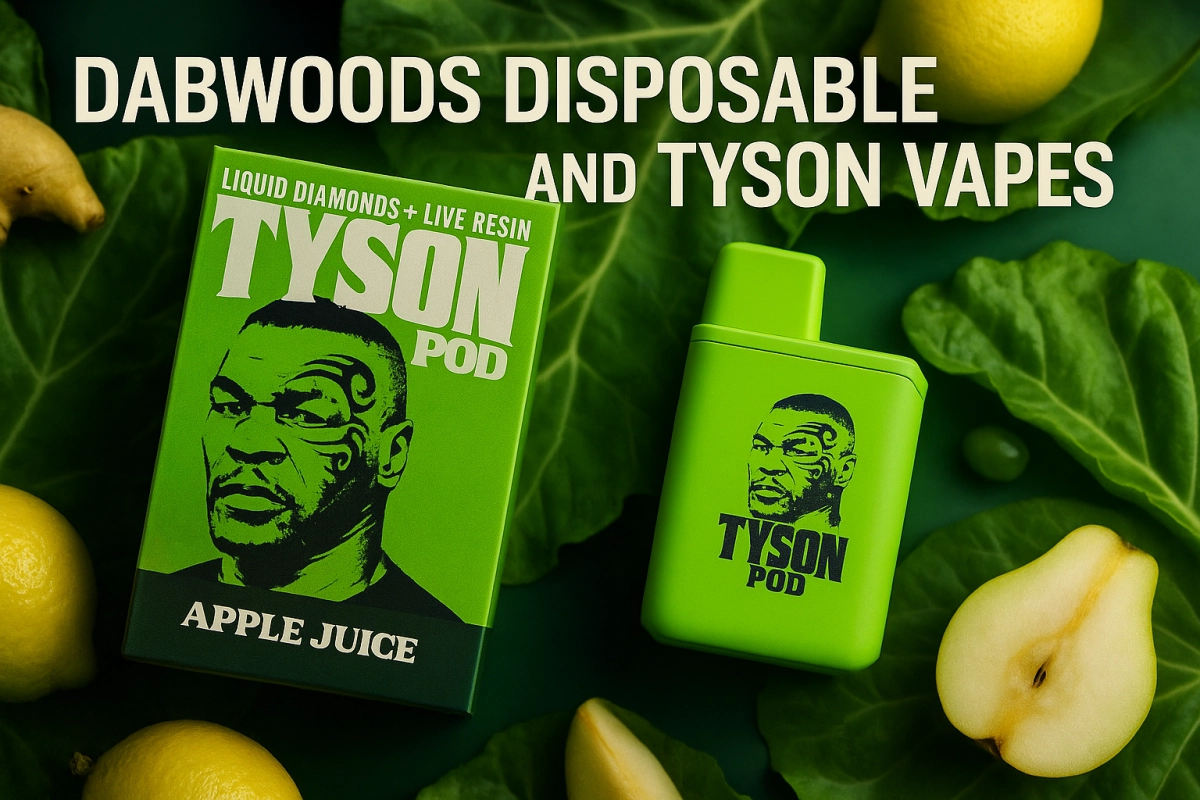
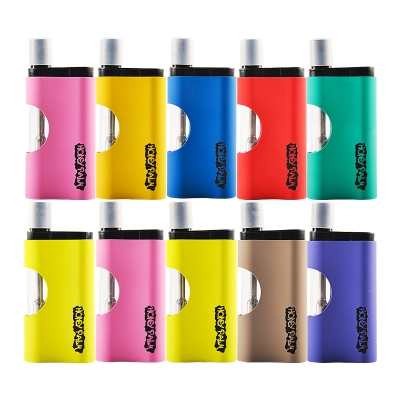
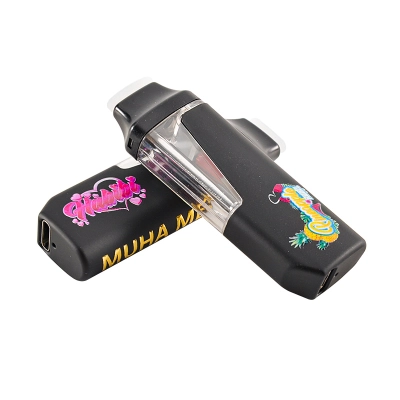
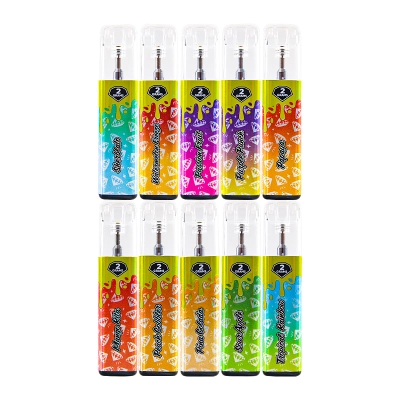
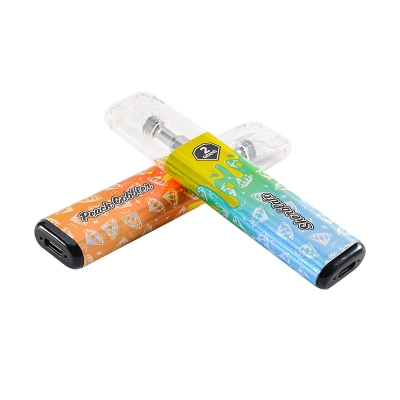
On the Tyson side, the current highlight is the Tyson Punch 2g disposable, a single-chamber 2 g class shell designed for steady draw curves and simplified QC. For Dabwoods, see our live catalog entry: Dabwoods vape pen. While the two lines target different merchandising strategies, they are often compared at the MoFu stage on coil design, airflow control, and landed value.
What buyers compare—and how to measure it
1) Flavor stability
- Run a 300-puff cycle; score drift vs. first 5 puffs (panel or GC-MS proxy if available).
- For multi-flavor devices, check “carryover” after switching; Tyson Punch focuses on single-flavor repeatability.
2) Draw consistency
- Measure draw resistance variance across 30 units (coefficient of variation, CV%). Target CV ≤ 10% for MoFu acceptance.
- Log plume-onset delay (ms to vapor) using a fixed flow bench for apples-to-apples comparisons.
3) Condensation & leak control
- 24-hour upright + 2-hour horizontal hold; weigh collected condensate (mg) or rate ordinally (0–3).
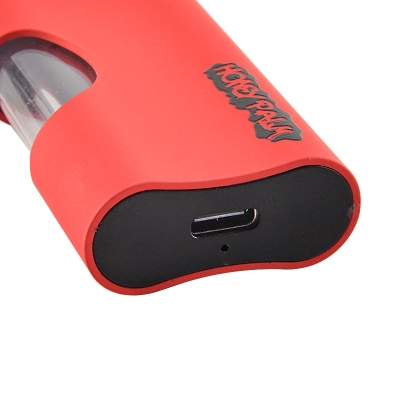
- Verify cap torque window with a calibrated tester; tamper-evident mouthpiece should resist back-out.
4) Logistics & audit trail
- Confirm UN 38.3 coverage and cell traceability; add GS1 identifiers to master cases.
- Use appropriate ISTA drop/stack procedure for packed cases where required.
Spec-by-spec comparison (MoFu view)
| Dimension | Dabwoods (reference: Dabwoods vape pen) | Tyson (focus: Tyson Punch 2g disposable) |
|---|---|---|
| Chamber approach | Varies by model; typically single-chamber shells positioned for brand-led merchandising. | Single-chamber 2 g class (≈2 ml) optimized for steady draw and simplified leak control. |
| Coil & wicking | Ceramic atomizers with viscosity-friendly porosity; verify priming across batches. | Ceramic core with stable porosity; straightforward priming and repeatable airflow profile. |
| Condensation management | Anti-condensation pathing varies by SKU; audit with the 24h+2h bench test. | Anti-leak mouthpiece, tight torque window, and simple airway to reduce pooling. |
| QC workload | Depends on cosmetics/variants; acceptance plans should track torque and airflow by lot. | Fewer interfaces → fewer inspection points; useful for large case runs and repeat orders. |
| Best-fit use cases | Brand storytelling and seasonal rotations; strong visual shelf presence. | Core lineup workhorse emphasizing consistency and predictable MoFu value. |
Notes: Specs may vary by batch. Always request the current spec sheet, cell vendor list, and packaging options. “2 g” denotes nominal content class; “2 ml” the chamber volume—markets use both conventions.
Value model you can reuse
Value Score = (Flavor stability × Draw consistency × Merchandising fit) ÷ (Landed cost × Expected reject rate).
- Flavor stability: inverse of drift (% change vs. first-5-puff baseline).
- Draw consistency: 1 ÷ CV% (lower variance increases score).
- Merchandising fit: score 0–1 based on channel objective (novelty vs. repeatability).
- Landed cost: ex-works + freight + duties + handling (DDP if applicable).
- Expected reject rate: predicted from condensation and torque non-conformities.
Methods & Reproducibility
- Sampling: 30 units/SKU from ≥3 master cases; randomize pulls.
- Draw test: fixed flow bench; compute CV%. Target ≤10% for MoFu acceptance.
- Condensation test: 24h upright + 2h horizontal; weigh collection or score 0–3; correlate with torque logs.
- Torque window: verify with a calibrated meter; reject outside spec; log by lot.
- Documentation: attach UN 38.3, IEC 62133-2, UL 8139, REACH/RoHS; apply GS1 identifiers to kits/master cases.
Bottom line
- Choose Dabwoods when brand-forward merchandising and visual differentiation are the priority, and you’re willing to tune acceptance plans per variant.
- Choose Tyson when you want fewer parts, simpler acceptance testing, and tight flavor variance across large case runs—especially with the Tyson Punch 2g disposable.
References (authoritative)
- UN Manual of Tests and Criteria, Section 38.3 (UN 38.3): UNECE
- IEC 62133-2: Secondary cells and batteries—Safety requirements: IEC
- UL 8139: Electrical systems of e-cigarettes and vaping devices: UL
- REACH basics and restricted substances: ECHA
- ISTA Overview & Series for transport simulation: ISTA
- GS1 Standards for identification & barcoding: GS1

1 Comments
Super helpful for wholesale planning.”