
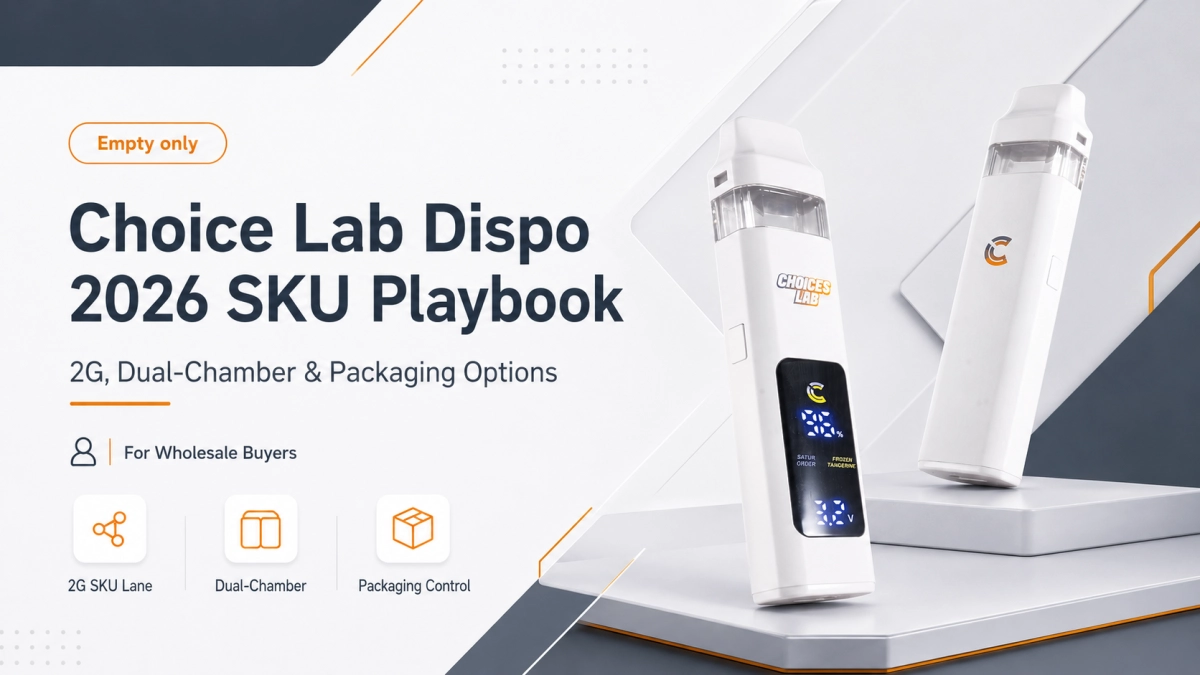
Scope: This playbook is for empty only wholesale SKU planning. It covers empty format selection, 2G naming, dual-chamber lane planning, packaging options, carton records, QC planning, supplier documents, and receiving review. It does not cover oils, formulas, filling steps, end-user operation, potency claims, dosage claims, health claims, medical claims, or consumption guidance.
Why this playbook matters
Wholesale buyers often receive a long list of Choice Lab options before the buying file is ready. A stronger BOFU workflow separates the SKU decision into format lane, capacity wording, packaging route, carton basis, inspection rule, invoice name, and receiving record. This keeps the purchase file clear for buying, finance, warehouse, and compliance teams.
For buyers comparing choice lab dispo options, the goal is not to add every possible SKU. The goal is to choose a controlled mix that can be quoted, packed, checked, labeled, counted, and reordered without confusion.
The key idea
A wholesale SKU plan should be a document control system, not a shopping list. Each Choice Lab Dispo line should have a role, a name, a packaging route, a carton basis, a QC rule, and a receiving note before the order is approved.
Quick answer
A practical Choice Lab Dispo SKU plan can be built from three main lanes: a 2G screen lane for visible differentiation, a dual-chamber lane for two-route assortment planning, and a packaging lane for box, insert, label, carton, and master-data control. Buyers should keep the file empty only and avoid claim-heavy wording.
2G lane
Use this lane when capacity wording, front-facing screen notes, and shelf comparison need one controlled SKU family.
Dual-chamber lane
Use this lane when the line needs a two-route empty format that can be tracked separately from standard 2G options.
Packaging lane
Use this lane to define box route, insert route, label route, carton mark, master carton count, and package proof.
Receiving lane
Use this lane to define photo evidence, count checks, shortage rules, defect classes, and hold decisions.
| Planning lane | Buyer question | Record to keep |
|---|---|---|
| 2G | Which 2G name, screen note, pack count, and carton basis will appear across the order file? | Approved SKU name, product photos, packaging proof, carton mark, and packing list line. |
| Dual-chamber | Is the dual-chamber route a separate SKU lane or a variation under the 2G lane? | Dual-chamber note, capacity wording, pack proof, sample approval, and receiving checklist. |
| Packaging | Which box, label, insert, sleeve, carton, and barcode route will be used? | Artwork proof, revision date, pack count, inner pack count, master carton count, and carton photo. |
| QC | Which defects trigger hold, rework, replacement, or claim review? | Inspection plan, sample size, defect classes, failed-sample photos, and release note. |
What the keyword means here
The phrase choice lab dispo is a bottom-of-funnel query. A buyer using it may already know the brand family and may be comparing 2G, dual-chamber, screen, package, MOQ, carton, and receiving records before approving a supplier file.
This playbook treats the keyword as an empty only wholesale sourcing query. It does not treat the keyword as a use, oil, formula, filling, dosage, health, or potency query. That boundary helps the article support qualified buyers without becoming a high-pressure sales page.
| Search intent | What the buyer likely needs | Best article response |
|---|---|---|
| SKU comparison | 2G, screen, dual-chamber, and packaging options in one controlled framework. | Show a lane-by-lane planning map rather than a long product dump. |
| Wholesale approval | Sample file, pack proof, MOQ basis, carton basis, invoice line, and QC plan. | Give a buyer checklist and RFQ language. |
| Reorder control | Consistent SKU name, GTIN or item ID logic, carton mark, and receiving history. | Explain how data fields should match across supplier, catalog, and warehouse files. |
SKU planning framework
A Choice Lab Dispo SKU plan should begin with a role. A role tells the buyer why the SKU exists. If two SKUs have the same role, same capacity wording, same packaging route, and same shelf lane, the buyer should ask whether both are needed.
For screen-led planning, the broader disposables with screen category can help buyers compare visual options before narrowing the file to specific Choice Lab Dispo lines.
| SKU role | Use when | Keep separate from |
|---|---|---|
| Core 2G | The buyer needs a stable capacity-led line that can be reordered with minimal explanation. | Limited packaging runs and short-term test SKUs. |
| Screen-led 2G | The shelf or catalog needs a stronger visual cue and a clear 2G comparison point. | Standard 2G lines that do not use the same screen note. |
| Dual-chamber | The buyer needs a two-route empty format with a distinct shelf or catalog explanation. | Single-route SKUs that share only the capacity wording. |
| Packaging test | The buyer needs to validate box, insert, label, sleeve, or carton route before bulk approval. | Approved bulk packaging already used for reorder SKUs. |
| Warehouse reorder | The buyer needs count accuracy, carton stability, and quick receiving checks. | Marketing test lines with unfinished artwork or changing carton marks. |
2G SKU lane
The 2G lane should use one capacity rule, one catalog name, and one carton basis. If the SKU has a screen-led front, that point should be recorded as part of the product identity, not as a loose note in a chat thread.
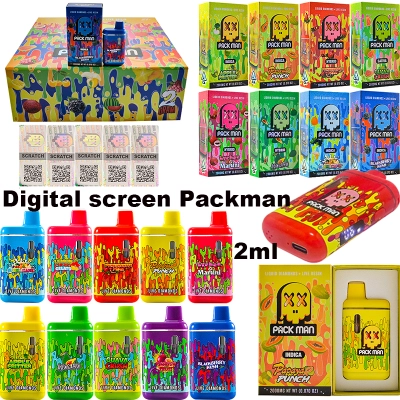
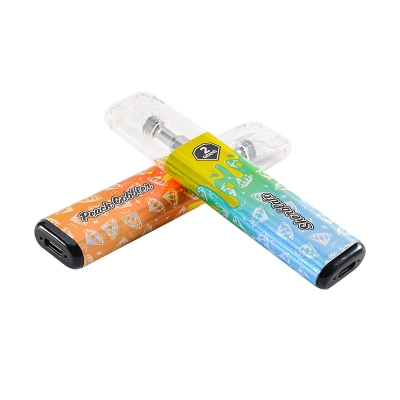
A concrete example for this lane is the Choices Lab 2G screen format. Use it as a format reference in the buying file, then keep the approved name, photos, pack route, carton mark, and receiving checklist aligned.
| 2G field | Buyer rule | Why it matters |
|---|---|---|
| Capacity wording | Choose one main 2G wording and keep it across the quote, page, package, carton, and receiving record. | Prevents mixed naming during reorder and warehouse intake. |
| Screen note | Record whether the SKU belongs in the screen-led lane or the standard 2G lane. | Prevents screen and non-screen lines from being treated as the same SKU. |
| Photo set | Save front, back, side, package, and carton photos with the approval date. | Gives QC and receiving teams a visual baseline. |
| Pack count | Define unit, inner pack, master carton, and total lot count. | Helps finance, warehouse, and supplier teams reconcile the same order. |
| Reorder lock | Do not change name, packaging route, carton mark, or pack count without written approval. | Protects reorder continuity. |
Dual-chamber lane
A dual-chamber SKU should not be buried inside a general 2G list. It needs a separate role because the buyer, catalog manager, and warehouse team must understand that it is a two-route empty format with its own package and receiving file.
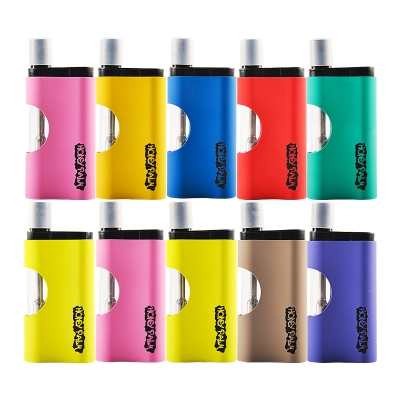
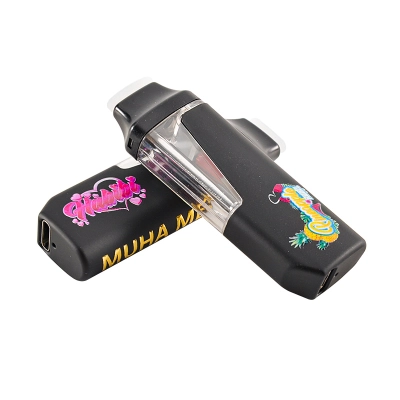
A useful example for this lane is the Choices Lab 2-in-1 empty format. Treat this as a separate SKU lane when the assortment needs a clear dual-chamber option rather than another standard 2G line.
| Dual-chamber field | Planning question | Approval record |
|---|---|---|
| Lane decision | Is this a core SKU, a test SKU, or a special assortment SKU? | SKU role note and buyer sign-off. |
| Name control | Will the name use 2-in-1, dual-chamber, or another approved wording? | Catalog title, quote line, package proof, and carton mark. |
| Packaging route | Does the package explain the dual-chamber line clearly without extra claims? | Front panel, back panel, insert note, and revision date. |
| Warehouse control | Can receiving staff separate this SKU from standard 2G lines at first check? | Carton photo, pack count, visual checklist, and hold rule. |
Packaging options for wholesale buyers
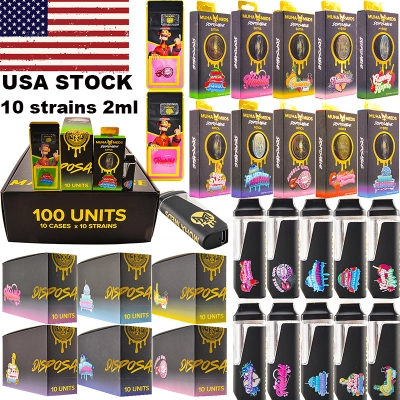
Packaging should be planned as a data route, not only a visual route. The buyer should define whether the SKU uses plain box, printed box, sleeve, insert, sticker set, inner box, or master carton marks. Each option should have a proof, a revision date, and a receiving rule.
For category-level packaging planning, use disposable vape packaging as the internal page route. In the buyer file, pair that route with official references for product identifiers, carton control, and packaging test language.
| Packaging option | Best use | Record to request |
|---|---|---|
| Plain box | Early sample review, neutral intake, or low-risk test order. | Box photo, pack count, item label, carton mark, and sample approval. |
| Printed box | Buyer-approved SKU route with stable artwork. | Artwork proof, revision date, panel photos, barcode location, and carton proof. |
| Sleeve | Seasonal or channel-specific SKU route that should not change the base product file. | Sleeve proof, base-box proof, pack count, and approval note. |
| Insert | Catalog, receiving, or compliance-facing notes that need a controlled document. | Insert copy, revision date, language version, and approval record. |
| Master carton | Warehouse receiving, shortage checks, and reorder control. | Carton dimensions, gross weight, inner pack count, carton mark, and arrival photo rule. |
SKU data control
Wholesale errors often come from naming drift. A buyer may approve one name, the supplier may quote another, the package may show a third, and the warehouse may receive a fourth. A Choice Lab Dispo file should define a single source of truth before payment approval.
Use GS1 product classification for product grouping language and GTIN product identifiers when the item needs cleaner trade-item identification across quotes, invoices, catalogs, and warehouse records.
| Data field | Rule | Where it must match |
|---|---|---|
| Approved SKU name | Use one buyer-approved name for each line. | Quote, PO, invoice, product page, packing list, and receiving record. |
| Capacity field | Keep 2G wording consistent and record any legacy 2ml wording separately. | Catalog field, packaging proof, carton mark, and warehouse checklist. |
| Format lane | Mark each line as core 2G, screen-led 2G, dual-chamber, packaging test, or reorder SKU. | Buyer scorecard, item master, and reorder sheet. |
| Pack hierarchy | Define unit, inner pack, master carton, and total lot. | Quote, packing list, carton proof, and receiving count. |
| Revision date | Add a date to artwork, package proof, carton mark, and inspection file. | Approval folder, QC file, and claim record. |
Supplier review before approval
Supplier review should happen before payment release. BOFU buyers should check company identity, domain consistency, invoice name, payment receiver, sample evidence, pack proof, carton basis, and claim terms. A low quote is not useful if the file cannot be received cleanly.
For finance-team risk review, use FTC business impersonation checks and fake invoice guidance as references when a supplier name, invoice name, or payment route changes.
| Review area | Warning sign | Buyer action |
|---|---|---|
| Supplier identity | Website name, quote name, invoice name, and payment receiver do not align. | Hold the file until the supplier provides a written explanation and updated documents. |
| Quote file | The quote uses broad wording and does not show empty only scope. | Request a revised quote with SKU name, packaging route, carton basis, and no-oil boundary. |
| Package proof | The package proof lacks revision date, pack count, or carton mark. | Do not approve bulk release until the proof is complete. |
| Claim terms | No clear shortage, defect, replacement, or credit process is listed. | Add claim terms to the PO or supplier agreement before release. |
QC and receiving
QC should translate buyer expectations into measurable checks. A Choice Lab Dispo order should define lot size, sample size, defect categories, approval photos, package check, carton count, and hold authority. Receiving should not rely on memory or supplier chat screenshots.
For formal sampling language, use ISO 2859-1 AQL sampling. For packaged-product shipment simulation language, use ISTA 3A packaging test when the packaging route needs transit review.
| QC layer | What to check | Record to keep |
|---|---|---|
| Identity | Approved SKU name, capacity wording, format lane, package route, and carton mark. | Quote, PO, product photos, package proof, and carton proof. |
| Appearance | Scratches, cracks, stains, print errors, loose parts, and mixed-item risk. | Inspection sheet, failed-sample photos, and hold note. |
| Packaging | Box panels, sleeve, insert, label, seal, inner pack, and master carton count. | Packaging proof, arrival photos, count sheet, and defect examples. |
| Carton | Carton mark, gross weight, carton dimensions, inner count, and damage signs. | Carton photos, packing list, and receiving checklist. |
| Release decision | Whether the lot is accepted, held, reworked, rejected, or sent to claim review. | Decision record, approver name, date, and supplier response. |
Wholesale buyer scorecard
A scorecard prevents the order from being approved only because it is familiar or low-cost. Each score should be supported by documents, photos, and written supplier commitments.
| Score area | Suggested weight | Evidence to review |
|---|---|---|
| Empty only scope | 12 | RFQ, quote, invoice, package proof, packing list, and receiving note use the same empty only boundary. |
| SKU role clarity | 12 | Each line is assigned to 2G, screen-led 2G, dual-chamber, packaging test, or reorder lane. |
| Packaging proof | 14 | Box panels, insert, label, sleeve, inner pack, carton mark, and revision date are recorded. |
| Data consistency | 14 | SKU name, capacity field, pack hierarchy, and item identifiers match across records. |
| Supplier identity | 12 | Company name, invoice name, payment receiver, contact domain, and responsible contact align. |
| QC readiness | 18 | Lot size, sample size, defect classes, package checks, carton checks, and release rule are defined. |
| Receiving control | 18 | Arrival photos, shortage rule, damage rule, hold process, claim evidence, and approver are defined. |
Empty only RFQ template
Use this template to collect comparable answers from suppliers before approving samples, pilot quantities, or bulk purchase orders.
Subject: RFQ for Choice Lab Dispo Empty Only SKU Planning - 2G, Dual-Chamber, Packaging, QC, and Carton Records
Scope: Empty only
No-oil boundary: No oil, no contents, no formulation, no filling steps, no dosage claims, no potency claims, no health claims, and no consumption guidance
Buyer role: [wholesaler / distributor / importer / brand owner / licensed operator]
Destination market: [insert country, state, province, or regulated-market route]
Requested lane: [core 2G / screen-led 2G / dual-chamber / packaging test / reorder SKU]
Approved SKU name: [insert buyer-approved name]
Capacity wording: [2G / 2ml note if needed / buyer-approved wording]
Packaging route: [plain box / printed box / sleeve / insert / label / master carton]
Packaging proof: [front panel / back panel / insert / label / sleeve / pack count / carton mark / revision date]
Quantity target: [sample / pilot / bulk / reorder]
MOQ request: [sample MOQ / pilot MOQ / bulk MOQ / packaging MOQ / reorder MOQ]
Pack hierarchy: [unit / inner pack / master carton / total lot]
Carton record: [carton dimensions / gross weight / inner count / carton mark / carton photo]
QC request: [lot size / sample size / defect classes / appearance check / packaging check / count check / release rule]
Document request: [quote sheet / specification sheet / packaging proof / inspection report / packing list / claim terms]
Supplier identity: [company name / invoice name / address / contact domain / responsible contact / payment receiver]
Claim process: [shortage, mix-up, visible defect, package issue, carton issue, replacement, credit, and dispute contact]
Official references
These references support a neutral buying file. They do not replace legal, import, tax, trademark, packaging, restricted-substance, or regulated-market review.
| Reference area | Use in the buyer file | Source |
|---|---|---|
| Retail rules | Use for U.S. retail compliance awareness where the buyer file requires it. | FDA retail sales rules |
| Age verification | Use for federal minimum-age and photo-ID review where applicable. | Tobacco 21 age-verification rules |
| Current regulatory reference | Use to keep 2026 U.S. tobacco-product references current in the file. | FDA 2026 enforcement priorities |
| Assortment planning | Use for SKU rationalization, localized planning, and assortment mix review. | assortment planning and optimization |
| Merchandising | Use for shelf-space and assortment productivity thinking. | merchandising and assortment guide |
| Category language | Use for common language across retailers, suppliers, and manufacturers. | NACS category definitions |
| Product classification | Use for SKU hierarchy and product grouping. | GS1 product classification |
| Trade-item identifiers | Use for barcode, invoice, order, and listing-data control. | GTIN product identifiers |
| AQL sampling | Use for lot-by-lot inspection planning and acceptance sampling language. | ISO 2859-1 AQL sampling |
| Packaging test | Use for packaged-product transit simulation language where needed. | ISTA 3A packaging test |
| Invoice risk | Use for business impersonation, fake invoice, and payment-route review. | FTC business impersonation checks |
FAQ
What does choice lab dispo mean in this playbook?
In this playbook, choice lab dispo means a wholesale buying query for empty only Choice Lab Dispo SKU planning, including 2G, dual-chamber, packaging, carton, QC, and receiving records.
How many internal links should this article use?
Use no more than five internal links. This source code uses one exact keyword anchor, two category routes, and two product examples.
Should the exact keyword link to a category page?
Yes. The exact keyword should point to the Choice Lab collection page because a collection route builds broader pillar relevance than a single item page.
Why separate 2G and dual-chamber lanes?
They serve different buying and receiving roles. A 2G lane helps capacity comparison, while a dual-chamber lane needs a separate naming, packaging, and receiving note.
What should buyers request before approving packaging?
Request front and back panel proof, insert proof, label proof, sleeve proof if used, pack count, inner pack count, carton mark, revision date, and arrival-photo rule.
Is this legal advice?
No. This is an educational B2B SKU planning guide. Buyers should use qualified legal, regulatory, import, tax, trademark, packaging, and market-route support before final approval.
```
0 Comments