
DISCLAIMER
This article reviews California Honey disposable vapes for educational and market-analysis purposes only. Vapehitech supplies empty vape hardware only — no THC, no nicotine, no cannabis oil, and no finished California Honey products. Nothing in this guide is medical, legal, or investment advice. Always check your local laws and consult qualified professionals before buying, using, or launching any cannabis or nicotine products.
How This Review Approaches California Honey Disposables
This is a MoFu (middle-of-funnel) review designed for readers who already know what California Honey is and are now comparing disposable vapes by features, effects, and user experience. It is also written for B2B teams exploring California Honey–style product lines and trying to understand where empty hardware fits into the picture.
To keep things clear and balanced, this review:
- Focuses on California Honey disposable vapes as they are commonly described in public listings and user reviews;
- Draws on consumer reports, packaging and hardware observations, as well as public guidance from regulators and health agencies;
- Does not offer medical claims or promise specific health benefits from any vape product;
- Separates finished THC products from the empty shells that Vapehitech supplies to licensed brands.
If you need a broader, more legal- and health-focused primer on California Honey as a whole brand, that belongs in a top-of-funnel guide. Here, we zoom in on how California Honey disposable vapes feel and perform in real-world use, and what that means for both consumers and bulk buyers.
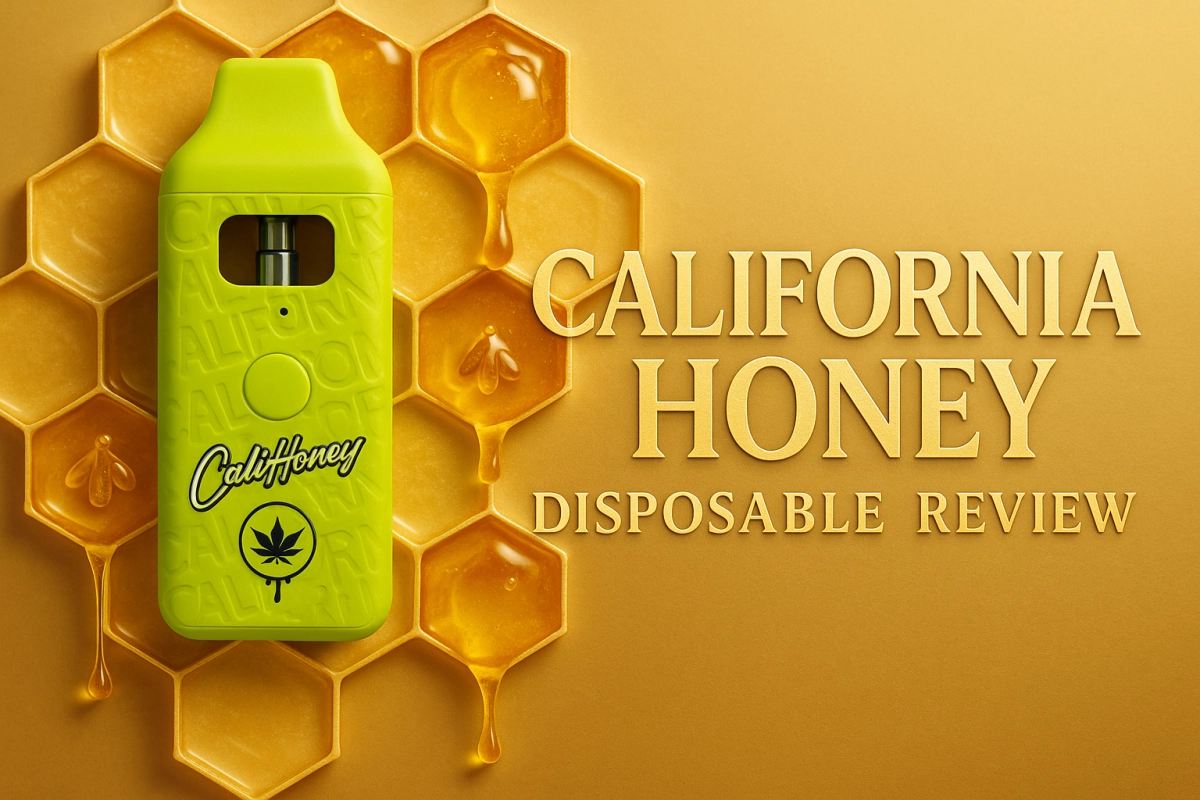
Snapshot: What California Honey Disposables Look Like in 2025
Positioning and typical product formats
In 2025, California Honey disposable vapes are typically marketed as all-in-one, pre-filled THC devices available in different capacities and strain-branded options. In licensed markets, you will often see:
- Integrated battery plus sealed oil tank, designed to be used and then discarded;
- Capacities roughly in the 1 g and 2 g range, labeled by total oil fill;
- Flavor and effect language tied to specific strains or terpene profiles (e.g., “indica relax,” “sativa uplift”).
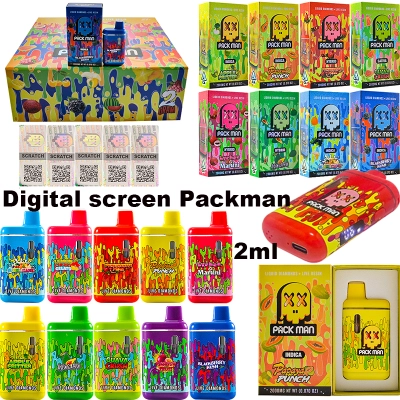
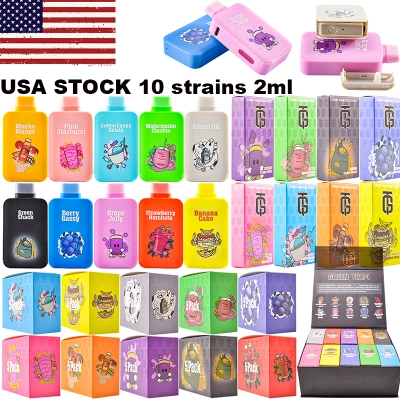
From the outside, California Honey disposables compete directly with other premium THC brands: bold color schemes, branded mouthpieces, and cartons that highlight strain, potency, and lab-testing claims.
Brand vs slang: “California Honey” and “california honey disposable”
As with many popular cannabis lines, the term “california honey disposable” is used online in two ways:
- To refer to genuine California Honey brand disposables sold in licensed dispensaries; and
- As a generic or slang label for honey-themed or California-branded THC vapes, including counterfeit products.
For anyone evaluating these devices, the key is to treat “California Honey” as a brand plus style — not a quality guarantee on its own. The actual hardware, filling process, and supply chain controls behind each disposable matter far more than the logo printed on the shell.
Hardware Features Review (From an Empty Shell Perspective)
Vapehitech does not see proprietary California Honey internal formulations, but we do see the kinds of empty shells that licensed brands choose for California Honey–style disposable projects. That gives us a practical hardware view of what these devices are trying to deliver.
1. Form factor and ergonomics
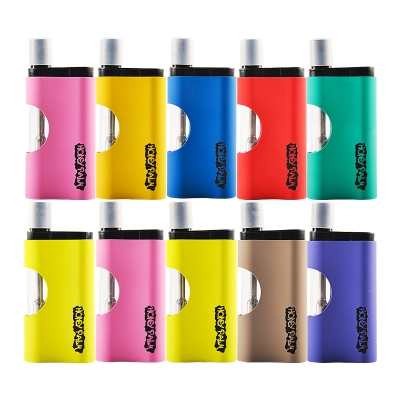
Most California Honey disposable vapes sit in a familiar form factor:
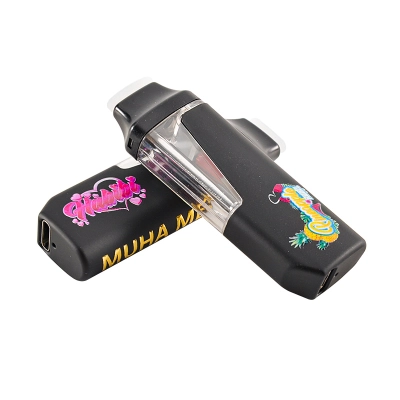
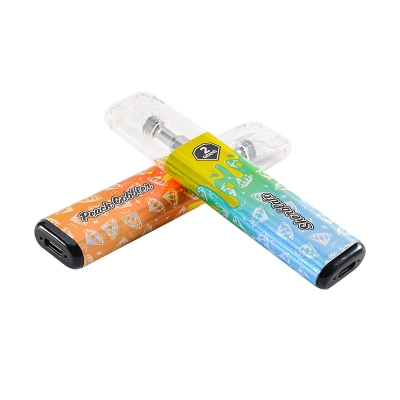
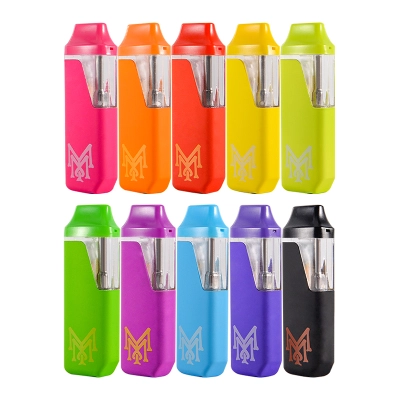
- Flat, compact bodies that fit easily into a pocket or small bag;
- Integrated mouthpieces, sometimes with a slightly tapered “lip-friendly” shape;
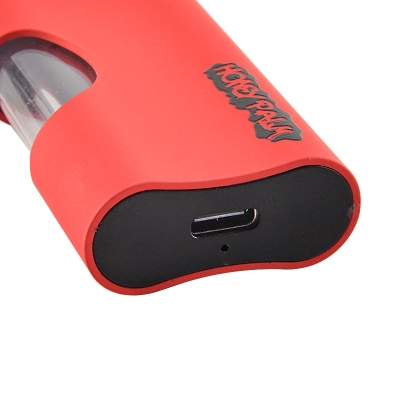
- Indicator LEDs to show activation and battery life in some models.
Compared with older cylindrical disposables, newer California Honey–style shells prioritize a more “device-like” look that blends into everyday tech rather than shouting “vape pen” from across the room.
2. Coil, airflow, and draw style
Modern California Honey disposables typically use ceramic coils designed for high-viscosity oils. While we do not publish any specific OEM’s internal schematics, mid-tier and premium shells in this class tend to emphasize:
- Multi-port intake structures to help thicker oils wick consistently;
- Relatively tight, mouth-to-lung style draw to mimic a traditional puff rather than a large lung hit;
- Airflow paths intended to minimize oil backflow and gurgling.
When hardware is well matched to the oil, users often describe smooth, consistent draws with fewer dry hits. When it is not, they are quick to complain about clogging, burnt taste, or leaks — even if the oil itself is good.
3. Battery capacity and protections
Battery size depends heavily on capacity and design. A typical 1 g disposable in this class may use a smaller cell with a focus on portability, while 2 g formats tend to use higher-mAh cells to deliver more puffs and maintain coil performance as the device empties.
Across the industry, responsible hardware vendors now treat basic safety protections as standard for disposables, including:
- Over-charge and over-discharge protection;
- Short-circuit protection;
- In some designs, cut-off timers to limit excessively long drags.
4. 1 g vs 2 g: practical differences in day-to-day use
From a user-experience standpoint, the main contrasts between 1 g and 2 g California Honey disposable vapes are:
- Weight and size: 1 g devices feel lighter and less bulky, while 2 g shells offer more oil at the cost of a slightly larger footprint.
- Refill frequency: heavy users often prefer 2 g formats to reduce trips back to the dispensary or delivery service.
- Perceived value: depending on local tax and pricing structures, 2 g disposables may be marketed as better “value per gram,” though that is not universal.
For brands and bulk buyers, comparing capacities and form factors side by side is often the first step when planning a California Honey–style lineup. To make that easier on the hardware side, Vapehitech maintains a dedicated california honey disposable category page that groups compatible empty shells by capacity and overall design.
Reported Effects and User Experience
Effects from any THC disposable — including California Honey–branded products — depend on many variables: cannabinoid content, terpene profile, individual tolerance, and underlying health conditions, among others. This section summarizes how users tend to describe their experiences, rather than offering clinical claims.
Onset, intensity, and duration
- Onset: Many users report feeling initial effects within minutes of inhaling from a California Honey disposable, which is typical for inhaled THC products.
- Intensity: Single-use and 2 g devices can deliver relatively high cumulative doses if used aggressively, which some users describe as “strong and fast-hitting.”
- Duration: Perceived effects often last from under an hour to several hours, depending on dose and user sensitivity.
Importantly, these descriptions are anecdotal and vary widely. Major health agencies remind the public that no cannabis vape, including California Honey, is FDA-approved for treating any medical condition, and that THC can cause acute side effects such as anxiety, rapid heart rate, and impaired judgment.
Flavor and smoothness
California Honey disposables are often positioned as flavor-forward devices with sweet, candy, fruit, or dessert-inspired profiles layered over strain-inspired naming. In user reviews, people frequently mention:
- Sweet or “dessert-like” top notes;
- Relatively smooth throat feel compared with harsh or cheaply formulated vapes;
- Occasional complaints about overly sweet or artificial-tasting profiles with repeated use.
How smooth a device feels is heavily influenced by both the oil formulation and the hardware. Even a well-formulated oil can feel harsh if the coil is mismatched or the device runs too hot, which is why serious brands invest in thorough hardware validation.
Tolerance, overuse, and safety
One risk with convenient disposables is that it is easy to underestimate how much THC is consumed across repeated small puffs. This risk is not unique to California Honey; it applies to most high-potency cannabis vapes. Health agencies have documented serious lung injuries and other harms associated with vaping THC products, especially from unregulated or counterfeit sources, and emphasize that there is no established “safe” level of use.
For readers, the practical takeaway is simple: even if a California Honey disposable feels smooth and pleasant, it still carries non-trivial health risks, particularly for youth, pregnant people, and individuals with heart or lung conditions.
Strengths and Limitations: Pros & Cons at a Glance
From a combined hardware and user-experience standpoint, California Honey disposable vapes offer clear strengths — and equally clear limitations.
| Potential Strengths | Potential Limitations |
|---|---|
| All-in-one design: no separate battery, simple to use. | Single-use device contributes to electronic and battery waste. |
| Brand recognition and consistent packaging across strains. | Counterfeiters copy packaging, making it difficult to spot fakes. |
| Compact form factor, discreet in pockets or small bags. | Easy to overuse because dosing is not obvious and hits can be frequent. |
| Flavor-forward profiles that appeal to users who dislike harsh smoke. | Sweet or candy-like flavors may appeal to youth, creating additional policy and ethical concerns. |
| 2 g options can reduce purchase frequency for heavy users. | Higher-capacity disposables may encourage heavier consumption if used without awareness. |
| When paired with quality hardware, can deliver consistent draws with fewer clogs. | Inconsistent hardware or poor filling practices can still lead to leaks, clogs, or burnt hits. |
For consumers, this table is a reminder to weigh convenience and flavor against health and environmental impacts. For brands, it illustrates why hardware choices and ethical positioning matter just as much as flavor and strain naming.
Real vs Fake: Spotting Counterfeit California Honey Disposables
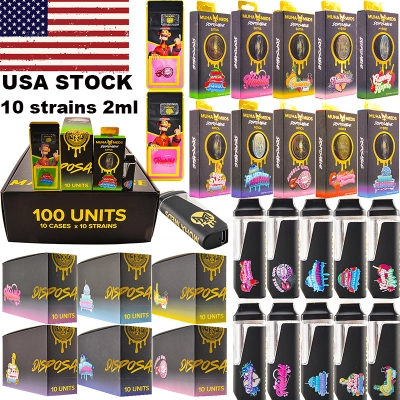
Because California Honey is a recognizable name, counterfeit disposables are a serious problem. Gray-market sellers often use similar or nearly identical packaging while filling and distributing products entirely outside regulated supply chains.
Red flags in packaging and labeling
- No clear batch or lot ID printed on the device or box;
- Spelling errors, low-resolution graphics, or inconsistent fonts compared with known authentic packaging;
- Claims that sound too good to be true, such as unrealistic THC percentages across many flavors without variation;
- Missing or generic health warnings where state law requires specific statements and symbols.
Checking COAs and retailer credentials
In legal markets, genuine California Honey disposables should be sold through licensed retailers and paired with batch-specific certificates of analysis (COAs) from accredited labs. Buyers can protect themselves by:
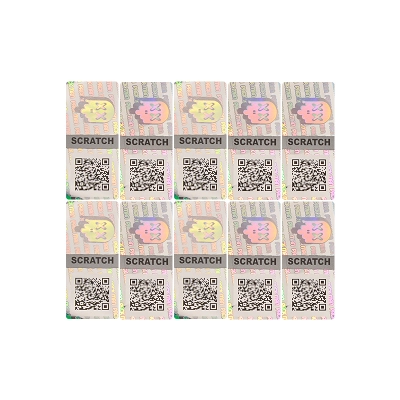
- Scanning QR codes or links on packaging to see whether COAs match the batch ID and product name on the box;
- Checking that COAs include potency and contaminant panels, not only THC percentage;
- Verifying the retailer’s license through the relevant state regulator’s website;
- Avoiding products sourced through social media DMs, pop-up stalls, or gas stations claiming to sell “california honey disposable” without any licensing information.
If a product looks like a California Honey disposable but comes from an obviously unregulated channel, it is safer to assume it is counterfeit or at least not subject to the same testing standards as products sold through licensed dispensaries.
Health and Legal Context Buyers Should Not Ignore
Health risks: what public data shows
Vaping THC or nicotine is not risk-free. During the 2019–2020 outbreak of e-cigarette, or vaping, product use–associated lung injury (EVALI), U.S. health authorities documented 2,807 hospitalized cases or deaths across all 50 states, the District of Columbia and two territories, with 68 deaths confirmed in 29 states and DC by February 18, 2020. Most patients reported using THC-containing products, often from informal rather than licensed sources. Subsequent research has reinforced that certain additives and contaminants used in unregulated vapes can cause severe lung injury.
Even outside outbreak conditions, major agencies also point to other potential risks, from cardiovascular stress and dependence to impacts on adolescent brain development. No California Honey disposable — or any cannabis vape — is currently approved by the U.S. Food and Drug Administration (FDA) to diagnose, treat, cure, or prevent any disease.
Legal patchwork in 2025
Legal status for cannabis and hemp-derived vapes is complicated and highly jurisdiction-specific:
- Federally, cannabis products with more than 0.3% delta-9 THC remain controlled substances, while hemp-derived cannabinoids are regulated under a separate, evolving framework.
- State laws differ widely: many states allow medical or adult-use cannabis, others restrict or ban THC vapes, and several are tightening rules around hemp-derived intoxicating products.
- As one example, Texas Senate Bill 2024 — effective September 1, 2025 — makes it a criminal offense to market, advertise, offer for sale, or sell certain cannabinoid vape products, with penalties of up to a year in jail and a substantial fine, even though the law does not explicitly ban possession.
For consumers, that means a California Honey disposable purchased legally in one state may not be legal to buy, or even to bring, into another state. For brands and distributors, legal review is not optional: it is a foundational requirement for any multi-state strategy.
Important: This section provides a high-level overview of public guidance and laws as of late 2025. It is not legal advice. Always consult qualified counsel and your state regulator’s website before launching or distributing any THC or hemp-derived vape product line.
Hardware-Only Options for Brands (Vapehitech’s Role)
While this article reviews finished California Honey disposable vapes from a user-experience perspective, Vapehitech operates firmly on the hardware-only side of the market. We work with licensed brands that want California Honey–style form factors without outsourcing their extraction, formulation, or compliance obligations.
Empty shells for California Honey–style projects
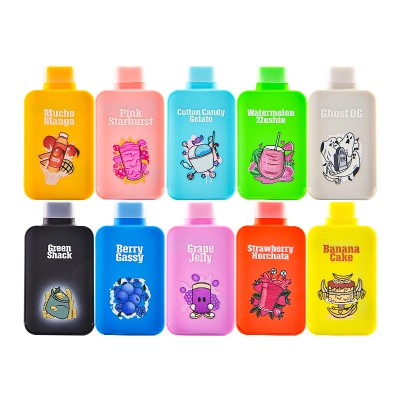
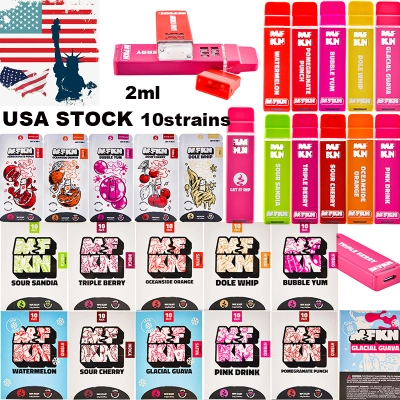
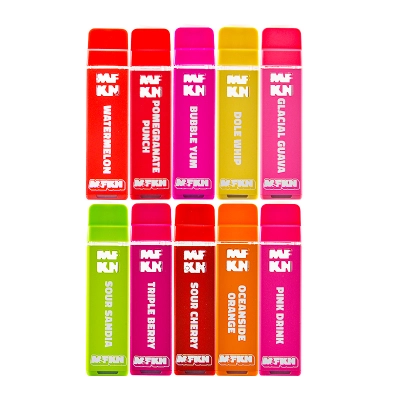
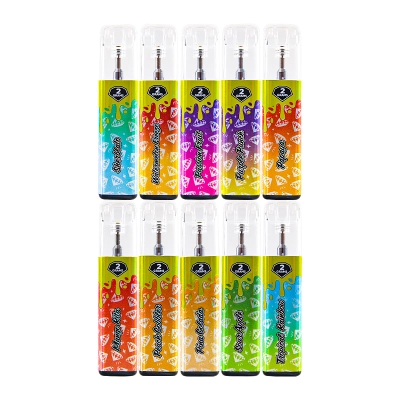
Licensed brands that already manage their own oil can source compatible shells from our California Honey vape wholesale overview, which organizes California Honey–style hardware families by capacity, warehouse, and general design language. This allows teams to:
- Align shell aesthetics with existing California Honey–inspired artwork and brand language;
- Plan packaging and logistics across multiple regions using matching form factors;
- Test performance across a range of coil designs before committing to a large rollout.
Choosing 1 g vs 2 g empty disposables
When your product roadmap includes different consumption segments, separating hardware by capacity is essential. Our california honey 1g disposable empty shells are often used for entry-level SKUs and more price-sensitive markets, whereas california honey 2g disposable shells are favored for heavy-use segments and “all-day” positioning where users expect more puffs between purchases.
In all cases, our role stops at the hardware boundary. Licensed partners remain responsible for:
- Complying with all cultivation, extraction, manufacturing, and filling requirements in their jurisdiction;
- Commissioning and publishing COAs from accredited labs;
- Managing recalls, packaging and labeling compliance, and marketing restrictions.
This separation keeps the California Honey–style hardware conversation focused on engineering, consistency, and logistics — while legal, health, and formulation questions stay with the entities best positioned to answer them.
Buyer FAQ: California Honey Disposable Vapes
Are California Honey disposables “safe”?
No vape can be guaranteed safe. California Honey disposables share many of the same risks as other THC vapes, including potential lung injury, cardiovascular stress, and dependence. Public health agencies have documented serious injuries linked to vaping, especially products from informal sources. Buying only from licensed retailers and insisting on batch-specific COAs improves quality control but does not eliminate all risk.
How long does a 2 g California Honey disposable typically last?
It depends on your usage. Some heavy users may exhaust a 2 g disposable in a few days, while lighter users may take a week or more. Because individual draw size and frequency vary, it is more accurate to think in terms of total puffs advertised by the manufacturer — and to remember that “lasting longer” is not the same as being safer.
Can I travel with a California Honey disposable?
Airline and jurisdiction rules vary. Many airlines prohibit vaping or using any e-cigarette on board, and some states restrict THC or hemp-derived vapes outright. Crossing state or national borders with cannabinoid vapes can create legal risk even if the product was bought legally where you live. Always check airline policies and local laws before traveling.
How can I tell if a California Honey disposable is counterfeit?
There is no single foolproof test, but red flags include: no batch ID, no scannable COA link, poor print quality on the box, and sales through unlicensed channels like random convenience stores or social media sellers. In regulated markets, verifying retailer licensing and scanning a valid COA that matches the product in your hand are two of the most practical checks available.
What if I am a brand and want California Honey–style hardware without touching THC?
That is exactly where a hardware-only partner can help. By sourcing empty shells through dedicated California Honey–style collections, you can focus on your extraction, compliance, and brand strategy while relying on proven device platforms. Just remember that hardware is only one piece of the puzzle — legal and health responsibilities extend far beyond the shell.
Key Public References
- U.S. Centers for Disease Control and Prevention – archived EVALI outbreak updates summarizing 2,807 hospitalized cases or deaths and 68 deaths reported as of February 18, 2020, plus later analyses of vaping-related lung injury.
- Peer-reviewed reviews of the E-cigarette or Vaping Product Use–Associated Lung Injury (EVALI) outbreak in major medical and public-health journals, including outcome data for hospitalized patients.
- U.S. Food and Drug Administration – “FDA Regulation of Cannabis and Cannabis-Derived Products, Including Cannabidiol (CBD)” and related public-focus pages explaining that THC and CBD are excluded from the dietary supplement definition and that no over-the-counter cannabis vapes are approved.
- California Department of Cannabis Control – cannabis regulations overview and the April 1, 2025 consolidated “Medicinal & Adult-Use Cannabis Regulations” document (California Code of Regulations, Title 4, sections 15000–17905).
- California Code of Regulations, Title 4, Division 19 – laboratory testing, packaging, and labeling requirements for cannabis products sold in licensed markets.
- Texas Senate Bill 2024 and explanatory coverage detailing the statewide prohibition on marketing, advertising, offering for sale, or selling certain cannabinoid vape products effective September 1, 2025, and associated penalties.
- National legislative research organizations – state-by-state summaries of medical and adult-use cannabis and hemp-derived product laws as of 2025.
These references are provided for transparency and further reading. They are not affiliated with Vapehitech, and inclusion here does not imply endorsement of any specific policy or product.
2 Comments
Super helpful, appreciate it!
Looks perfect, love it.