
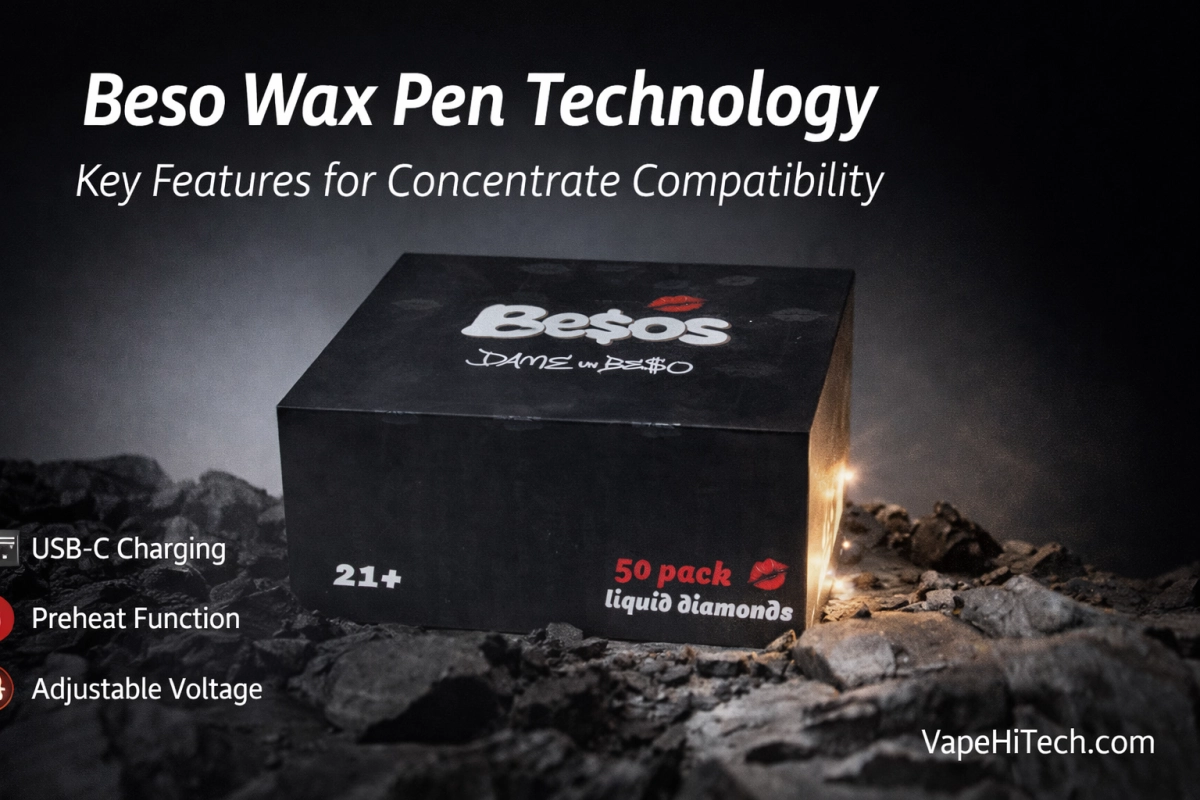
Scope: This guide is written for empty only Besos formats (no discussion of contents). It explains what “compatibility” means in engineering terms (flow, residue, temperature stability, airflow, sealing), and how buyers can evaluate features without hype or unsafe shortcuts.
What “beso wax pen” means in the Besos lineup
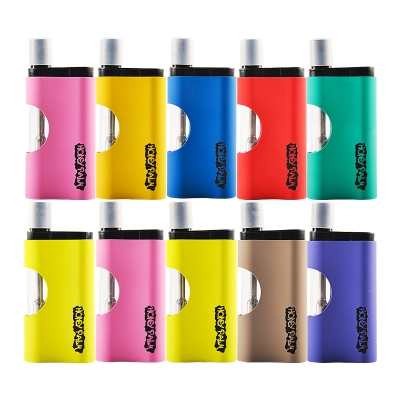
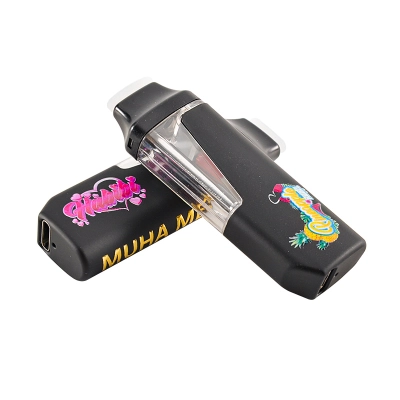
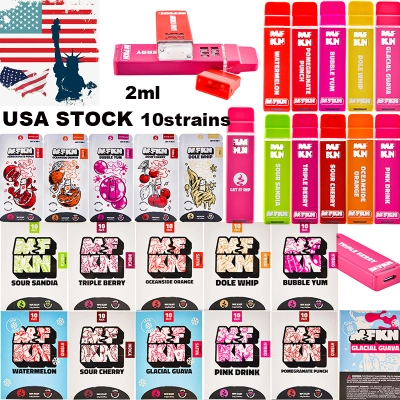
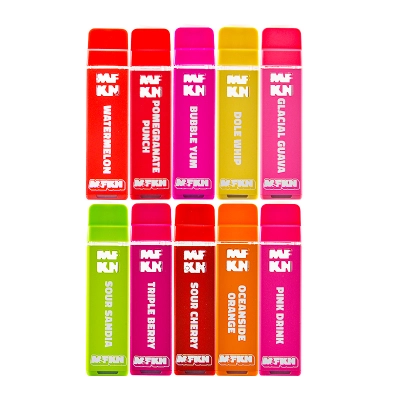
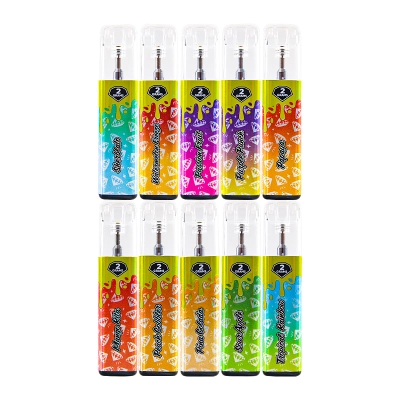
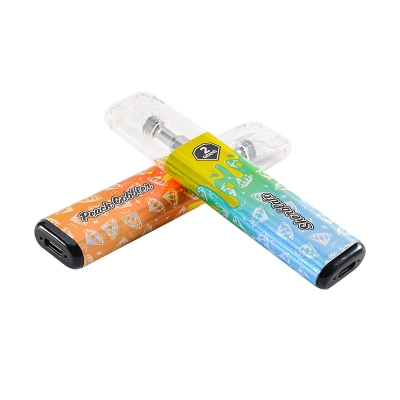
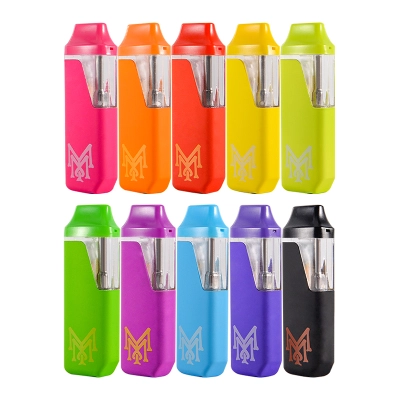
On Vapehitech, “beso wax pen” is a buyer shorthand for the Besos pen-shaped family. In other words: it’s a naming shortcut, not a different product class. This matters because “compatibility” is less about a marketing name and more about how a pen format handles real-world variation in viscosity, residue, and airflow over time.
Empty-only reminder
Everything below focuses on the pen format itself (air path, heating stability, sealing, and manufacturing repeatability). We do not discuss contents, dosing, or effects.
What concentrate compatibility really means
“Compatibility” is not a single spec. For an empty only pen format, it’s the ability to keep output and draw feel stable when the filled material behaves differently from batch to batch. Most compatibility issues show up as one of four engineering problems: flow resistance, residue buildup, temperature drift, or airflow restriction.
A practical compatibility map (behavior → stress → feature that helps)
| Material behavior (high-level) | What it stresses | Features that usually help |
|---|---|---|
| Higher viscosity (slower flow) | Feed consistency; risk of dry spots and “tight draw” complaints | Wider feed geometry, smoother flow path, stable airflow, and gentler heat ramp |
| Faster crystallization / particulate tendency | Clogging in narrow paths; uneven feed to the heater | Anti-clog air path geometry, fewer sharp turns, and designs that tolerate small restrictions |
| Higher residue tendency | Deposit buildup; condensation in the mouthpiece path | Condensation-friendly mouthpiece geometry, easy-to-wipe surfaces, and stable draw cadence guidance |
| More volatile fraction (stronger evaporative cooling swings) | Temperature stability and repeatability between pulls | Closed-loop temperature control (when available) or tighter power regulation and thermal mass management |
The goal of the map is simple: describe compatibility as a physics problem (flow + heat + air), then match features to the problem you’re trying to reduce.
Key features that change compatibility
1) Heat regulation: why “stable” beats “hot”
For concentrate-style materials, the most useful feature is not maximum temperature. It’s repeatable temperature. Research using infrared thermography shows that heater temperature can vary meaningfully across control modes and conditions, which helps explain why the same pen format can feel consistent in one scenario and inconsistent in another. You don’t need lab instruments to benefit from that insight: prioritize formats that control swings rather than chasing extremes.
2) Air path design: where most “compatibility” problems actually live
In many buyer reports, “compatibility” is really “air path tolerance.” Narrow inlets, sharp turns, and surfaces that trap condensation make small amounts of residue feel like a large restriction. Designs that keep the air path simple, reduce abrupt geometry changes, and keep openings less prone to lint are generally easier to support at scale.
3) Sealing and pressure balance: leak resistance is an engineering outcome
Leak complaints often come from pressure and seal interactions: changes in temperature and handling create pressure shifts, and weak seals let the pen breathe in the wrong places. Seals, fit, and assembly consistency matter as much as the headline features, because a small tolerance drift can change both leak rate and draw feel.
4) Condensation management: normal physics, predictable fixes
Condensation forms when warm aerosol meets cooler surfaces. In pen formats, it tends to collect in the mouthpiece path and around tight passages. The best “feature” here is not a gimmick; it’s a geometry that’s easy to keep dry and a usage rhythm that avoids rapid back-to-back pulls.
ToFu takeaway
When you hear “works best with X,” translate it into a testable question: is the problem flow, residue, temperature swings, or airflow restriction? Then pick features that reduce that failure mode.
How performance is compared in labs (why standards matter)
Buyer feedback is valuable, but it’s noisy: pull duration, interval, and airflow habits vary widely. That’s why labs use standardized puffing conditions to generate comparable aerosol samples. ISO 20768 defines parameters and standard conditions for routine analytical vaping machines, and CORESTA Method No. 81 is a widely referenced precursor method used for defining aerosol generation and collection conditions.
Practical meaning for buyers: if two pens are compared under different pull patterns, the result can be misleading. Standard conditions help separate “format differences” from “test pattern differences.”
Buyer checklist for consistent results at scale
For ToFu readers (new to this category), the fastest path to fewer surprises is to treat “compatibility” as a validation workflow: define the likely stress, verify the features, then confirm repeatability across a small sample before scaling.
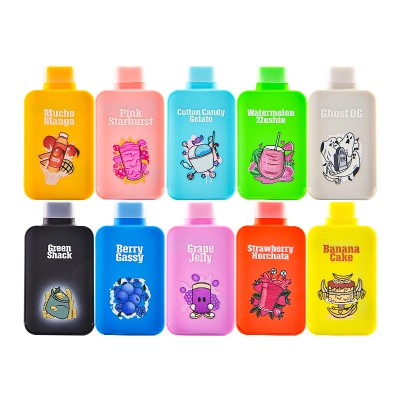
- Start from the family hub: map names to the real Besos family so everyone uses the same language. Use besos disposables as your navigation hub.
- Pick a size class and keep it consistent: consistency is easier when “like is compared with like.” If your SOPs are built around one capacity class, anchor to besos 2g disposable.
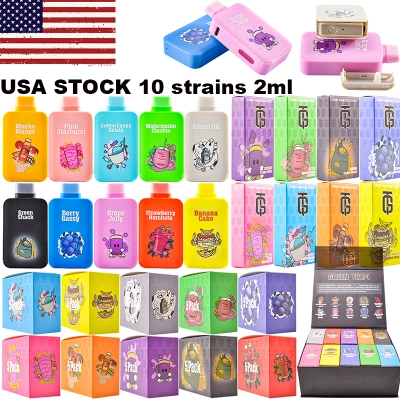
- Check the reservoir category: if you manage multiple pen families, keep capacity language consistent across listings. The 2ml vape pen category can help standardize buyer expectations.
- Use scenario categories to align expectations: if your team uses “wax pen” language, keep your internal notes tied to one scenario page. The Grab & Dab vape pen category is useful for aligning terminology.
- Validate repeatability (simple, non-destructive): sample a small batch, record draw feel variance, check inlet blockage sensitivity (finger coverage + lint), and document any condensation patterns under a consistent pull rhythm. The goal is not perfection; it’s predictability and supportability.
What not to do
- Avoid “extreme heat” myths. Compatibility is usually about stability, not maximum output.
- Avoid irreversible “fixes” (cutting, drilling, solvents). Support workflows should be dry, reversible, and documented.
- Avoid renaming runs casually. Naming drift is a top cause of catalog confusion and buyer returns.
FAQ
Is “beso wax pen” a different Besos product?
On this site, it’s a shorthand name buyers use for the Besos pen-shaped family. Treat it as a naming synonym and anchor your workflow to the family hub.
What’s the most common reason a pen feels “incompatible”?
Airflow restriction amplified by residue or condensation. Small restrictions feel big when the air path has tight turns or narrow openings.
What feature matters most for compatibility?
Stable heat regulation plus an air path that tolerates small restrictions. When those two are solid, most real-world issues become manageable and repeatable.
How can a buyer reduce support tickets without sounding salesy?
Publish one neutral checklist: keep air openings clear, avoid rapid back-to-back pulls, store upright, and use consistent naming + photos for each run.
References
External references provide general, educational background on standardized aerosol generation, heater temperature measurement, and basic flow/condensation concepts. They support the engineering explanations above.
- ASTM D8376 classification (extract vaporizer products)
- ASTM D37.08 (standards activity)
- ISO 20768: routine analytical vaping machine conditions
- CORESTA Method No. 81: aerosol generation and collection
- Infrared thermography study on heater temperature (open access)
- PLOS ONE protocol for measuring heater temperature
- NOAA/NWS: dew point vs humidity
- USGS: capillary action basics
- NASA: airflow and pressure basics
- NIST: humidity measurement context


3 Comments
Good content and easy to follow.
Clear and informative. Nice read.
Very helpful post. Thanks!