
Category: Sourcing & Standards
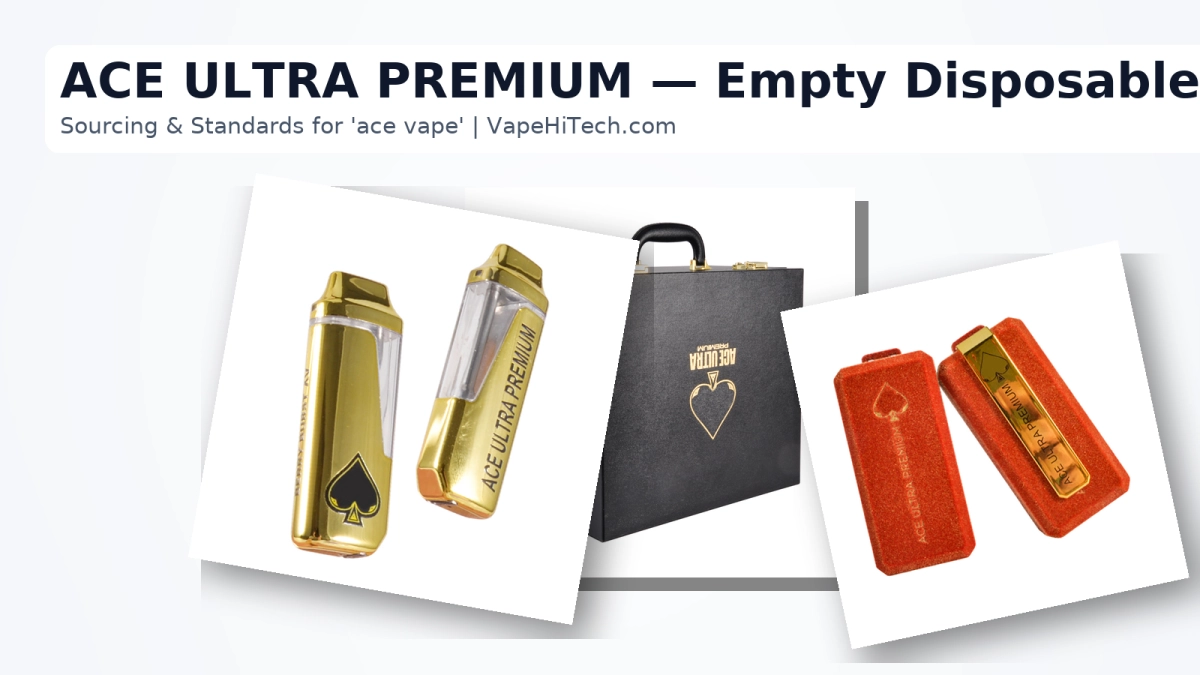
Ace Vape (Ace Ultra Premium): What Buyers Should Verify — Safety, Standards, and OEM Options
If you’re researching “ace vape” (the brand often listed as Ace Ultra Premium) for wholesale or OEM/ODM programs, the fastest way to protect margins—and your reputation—is to verify standards up front. The checklist below focuses on empty hardware due-diligence (batteries, electrical systems, materials, and packaging claims) so distributors and licensed fillers can compare Ace-style devices against your sourcing shortlist.
What “good” looks like for Ace-class devices
Below is a standards-based view. These do not certify oils or make health claims; they reduce avoidable electrical, battery, and material risks and streamline cross-border logistics.
| Verification Area | What to Ask Vendors For | Why It Matters (Authoritative Basis) |
|---|---|---|
| Electrical & charging safety | Test report or listing to UL 8139 covering the device’s electrical/heating/charging systems. | UL 8139 is the recognized safety standard for electrical systems in e-cig/vape devices in the U.S./Canada. It addresses lithium-ion hazards and charging protections. [UL 8139] |
| Battery transport | UN 38.3 lithium battery test summary (per cell/pack) from the manufacturer or certified lab. | Required for nearly all lithium batteries shipped by air/sea/land; missing TS causes export holds and carrier refusals. [UN 38.3] |
| Rechargeable cell safety | Evidence of testing to IEC 62133-2 for portable lithium cells/batteries used inside the device. | Global benchmark for safe operation of sealed secondary lithium batteries; often expected alongside UN 38.3. [IEC 62133-2] |
| Restricted substances | RoHS (EU 2011/65/EU) declaration & lab results (Pb, Cd, Hg, Cr⁶⁺, PBB, PBDE, DEHP, BBP, DBP, DIBP). | Limits heavy metals and certain flame retardants/plasticizers in EEE to protect users and the environment. [RoHS] |
| Mouthpiece/contact materials | Material disclosure + applicable biocompatibility evaluation in line with ISO 10993-1 (contact classification, risk-based testing rationale). | ISO 10993-1 is FDA-recognized guidance for biological risk evaluation of device-contact materials. [ISO 10993-1] |
| EU/UK volume & labeling (if sold with nicotine) | Confirm cartridge/tank volume claims and nicotine compliance if product will be filled for EU/UK markets. | EU TPD caps nicotine-containing cartridge/tank volume at 2 ml and refill container at 10 ml; applies once nicotine is present. [TPD] |
How this applies to “Ace Ultra Premium” style hardware
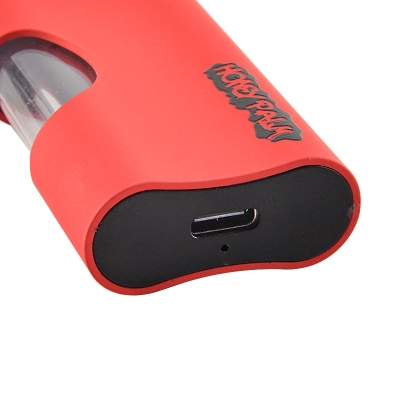
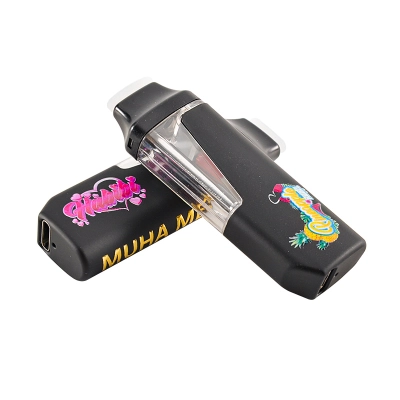
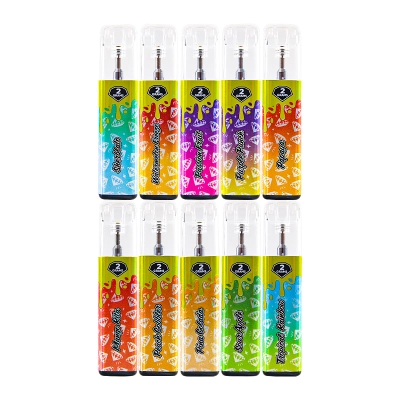
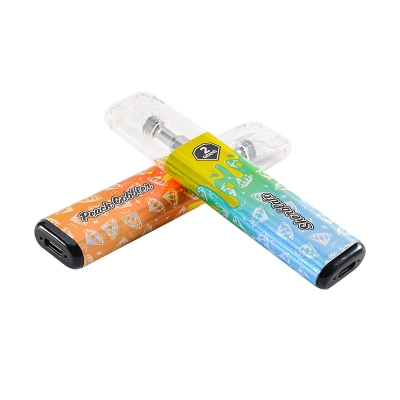
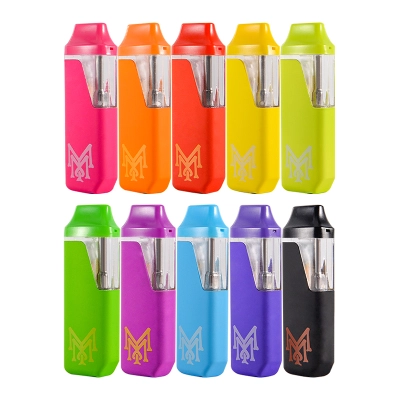
Many listings for ace vape emphasize premium fit-and-finish (tight tolerances, leak-resistant pathways, USB-C charging). Treat those as features, not proof. Ask suppliers to tie each feature to verifiable tests (e.g., UL 8139 for charge safety; UN 38.3 + IEC 62133-2 for cells; RoHS for metals; ISO 10993-1 rationale for mouthpiece contact). If you need private-label or custom ID/packaging, run that work through your OEM/ODM QA gate before mass production.
Procurement steps to avoid RMAs
- Request the test bundle (UL 8139, UN 38.3 TS, IEC 62133-2, RoHS, ISO 10993-1 rationale). Validate certificate numbers and issuing labs.
- Pilot 200–500pcs per configuration and track charge cycles, USB-C port wear, and leak rate. Document any failure modes.
- Lock a QC plan (AQL, battery incoming QC, enclosure torque spec, airway pressure drop window). See our Quality & Compliance Program.
- Plan labels early if you’ll sell filled units in EU/UK: volume claims, warnings, and notifications differ by market (TPD). When selling empty hardware, avoid implying health outcomes or nicotine content.
- Use a replenishment cadence sized to your RMA horizon; keep one lot in quarantine until post-fill checks pass.
Source Ace-class Empty Hardware with Documentation
Need Ace-style specs under your brand? Browse Empty Disposable Hardware or talk to our team via Contact Sourcing. We supply test summaries and can align on OEM firmware, airway tuning, and packaging.
FAQs
Is “ace vape” the same as Ace Ultra Premium?
Searchers often use “ace vape” to mean Ace Ultra Premium. This guide addresses how to evaluate devices in that tier; we do not make claims about specific third-party oils or health outcomes.
Does RoHS or ISO 10993-1 make a device “safe” to inhale?
No single test guarantees overall safety. RoHS limits certain substances in electronics; ISO 10993-1 frames biological risk evaluation for materials with body contact. Use them together with electrical and battery standards and your own fill/packaging compliance checks.
UL 8139: UL’s standard for electrical systems of e-cigarettes and vaping devices; evaluates electrical, heating, battery and charging systems. See UL overview and notice.
UN 38.3: Lithium cells/batteries must pass UN Manual of Tests and Criteria 38.3; U.S. PHMSA provides the current Test Summary requirement.
IEC 62133-2: International safety requirements for portable sealed secondary lithium cells/batteries.
RoHS (2011/65/EU): EU restriction of hazardous substances in electrical and electronic equipment; overview by the European Commission.
ISO 10993-1: FDA-recognized framework for biological evaluation of device-contact materials (risk-based).
EU TPD: Caps nicotine-containing cartridge/tank volume at 2 ml; relevant once nicotine is present in the product offered to EU consumers.

1 Comments
Thanks for sharing this, it was very helpful.