
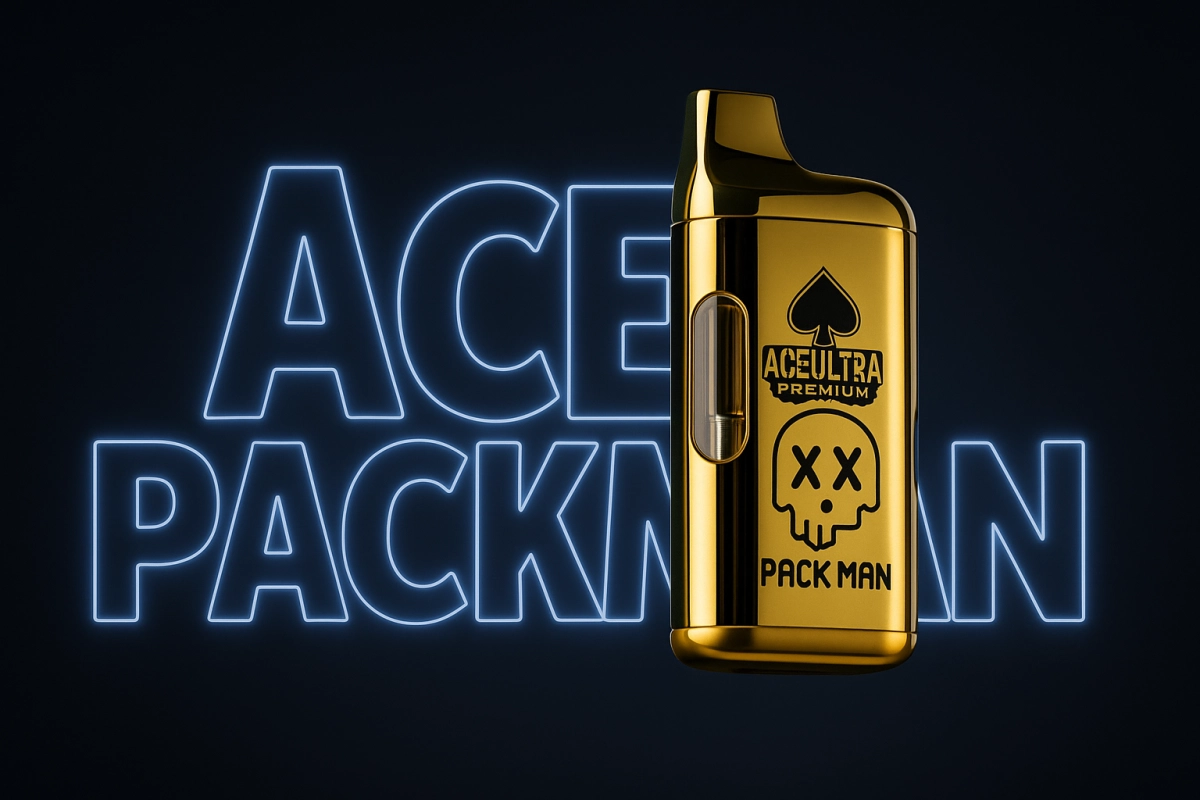
For many B2B buyers, Ace packman wholesale starts as a logo and a few photos in a catalog. In reality, it is a hardware format family with specific capacities, finishes, and channel behaviors. This guide keeps things practical: what the Ace Packman line actually looks like as hardware, how formats map to customers and channels, and what retailers should check before committing to a wholesale program.
1) What “Ace Packman wholesale” really means for retailers
In B2B conversations, Ace Packman is often treated as a single product line. From a hardware and operations point of view, it is more useful to think of it as a family of formats: different capacities, slightly different housings, and a shared visual identity that can be applied consistently across SKUs.
At the center of this family is your hub page for Ace packman wholesale, which typically anchors definitions, spec summaries, and program scope. That hub is where retailers and small distributors should start when they want to understand:
- Which Ace Packman variants exist in the current lineup.
- How capacities and formats are named and grouped.
- Which configurations are most stable and widely used in wholesale.
Once you see Ace Packman as a structured format family instead of a single SKU, it becomes much easier to plan your portfolio, compare offers from different suppliers, and decide what belongs on your shelves.
2) Ace Packman format family: disposable, 1g, and 2g options
Most retailers encounter Ace Packman through ready-to-use disposable devices. From a hardware perspective, those devices sit on top of a small number of core formats: the general disposable platform, and capacity variants such as 1g and 2g.
2.1 The disposable platform
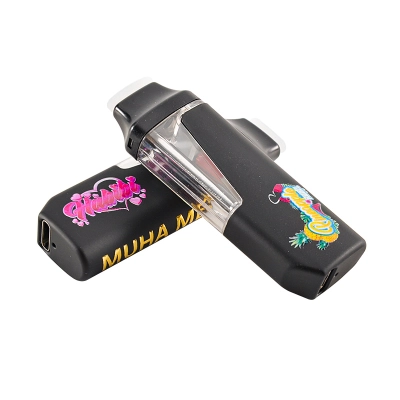
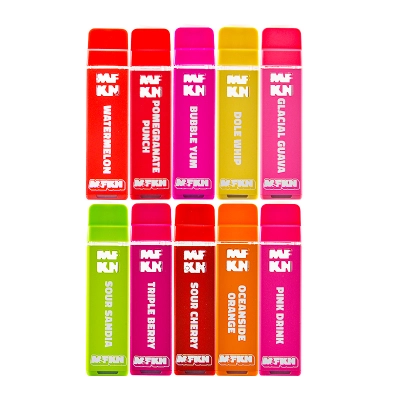
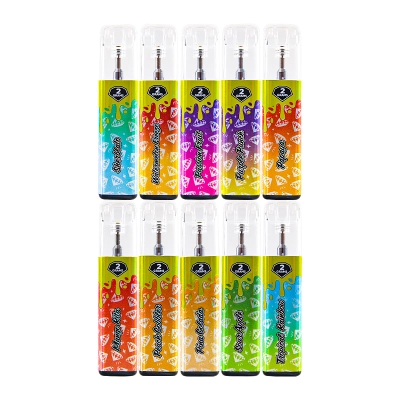
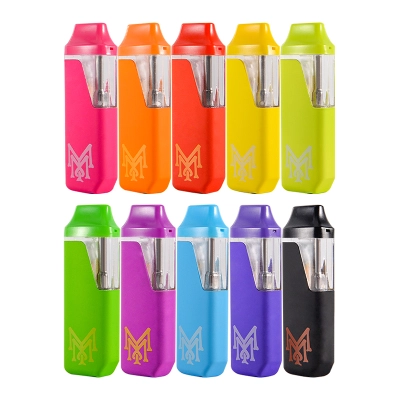
The disposable platform is the base format that defines overall housing geometry, mouthpiece design, and general ergonomics of Ace Packman devices. It is what many buyers think of when they say ace packman disposable:
- A single, integrated device form factor.
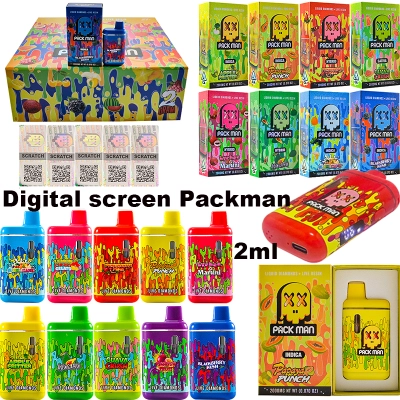
- A consistent silhouette and visual identity across capacity variants.
- Housing and finish choices tuned for retail presentation and everyday handling.
For retailers, this platform is the “shape language” of the brand: it is what customers recognize on the shelf before they read any text.
2.2 Capacity variants: 1g and 2g formats
Within the disposable platform, capacity variants exist to serve different usage patterns and price points. While details vary across programs, the most common Ace Packman capacities in wholesale discussions are:
- ace packman 1g – often associated with lower entry price points and customers who prefer smaller, more frequent purchases.
- ace packman 2g – typically aimed at heavier users or markets where higher capacity formats have stronger pull.
As a retailer, you are not just choosing “a brand”; you are choosing how much product each unit represents, how often customers will need to restock, and how your shelves will look in terms of mix between compact and larger devices.
2.3 Why naming and structure matter
A clear internal naming convention for Ace Packman formats helps your team avoid confusion in ordering, inventory, and reporting. For example, some retailers maintain an internal matrix that maps:
- Brand family (Ace Packman)
- Format (disposable platform)
- Capacity variant (1g / 2g)
- Channel or region (shop, online, specific markets)
This structure lets you analyze which format–channel combinations perform best, and it makes it easier to brief suppliers when you add or adjust SKUs.
3) Matching Ace Packman formats to customer segments and channels
Choosing Ace Packman formats is not just a design decision—it is a segmentation decision. The same format can play very differently across channels and customer groups.
3.1 Customer segments
While every market has its own nuances, many retailers roughly classify end users into a few broad segments:
- Price-sensitive or trial users: often gravitate toward lower-capacity formats that keep upfront costs down and encourage “try and see” behavior.
- Regular users: may prefer a balance between capacity and price, especially when they have already established trust in the brand.
- Heavy or loyalty-driven users: are more open to higher-capacity formats that reduce how often they need to restock.
As you plan Ace Packman SKUs, think about which segments you want to emphasize rather than assuming “more formats is always better.”
3.2 Channels and merchandising
Channel behavior matters as much as user behavior:
- Brick-and-mortar shops often need a compact set of SKUs that staff can explain quickly and display clearly.
- Online stores can accommodate a wider range of variants, supported by more detailed product pages and comparison content.
- Distribution-focused operations may prefer formats that travel well in bulk and are easy to map into different retailers’ planograms.
In many cases, retailers start with a small subset of Ace Packman formats in each channel, analyze sell-through and margin, and then expand or refine the lineup based on actual performance.
4) MOQ, pricing logic, and portfolio planning
At wholesale scale, Ace Packman format choices interact with MOQ (minimum order quantity), pricing tiers, and inventory risk. You do not need exact numbers to plan effectively, but you do need to understand how the levers work.
4.1 MOQ and format count
Each additional format you carry consumes MOQ and shelf space. For example, splitting your budget across too many SKUs can leave you with:
- Small, unprofitable quantities of too many variants.
- Inconsistent availability when one format sells faster than the others.
- Operational complexity in reordering and forecasting.
A more sustainable approach is to treat Ace Packman as a structured set: start with a core format and one or two capacity variants, then add more only when data supports it.
4.2 Price ladders and perceived value
Many wholesale offers follow a ladder structure where price per unit decreases as order volume increases. Guides on wholesale MOQ and inventory planning, such as NetSuite’s overview of minimum order quantity (MOQ) , explain why suppliers build these tiers and how buyers can use them to balance volume and risk.
For Ace Packman formats, the goal is not simply to chase the lowest per-unit cost. It is to find a combination of formats and volumes that gives you healthy margins, predictable turnover, and a portfolio that is easy to manage.
4.3 Portfolio planning mindset
Instead of thinking “Which Ace Packman format is best?”, it is more useful to ask:
- Which 1–3 formats give me the cleanest coverage of my main customer segments?
- How do 1g and 2g formats work together in my price architecture?
- What does a sustainable initial mix look like for my first three orders?
This portfolio mindset is also how many quality management and operations frameworks encourage teams to think: define the system, then tune it based on measured results rather than one-off decisions.
5) QC and lot consistency for Ace Packman wholesale orders
Even when the visual design is fixed, a wholesale Ace Packman program can run into trouble if lot-to-lot execution drifts. Retailers and small distributors benefit from having a simple, repeatable way to check incoming batches.
5.1 Basic visual QC on arrival
Without turning your warehouse into a lab, you can implement a light but effective check on each incoming lot:
- Inspect a defined number of units from different cartons for visible defects.
- Check housing finish and print quality against reference samples or photos.
- Verify that labeling and lot IDs are readable and match your records.
- Confirm that 1g and 2g units are clearly distinguishable to your staff and customers.
Organizations such as the American Society for Quality (ASQ) provide general guidance on building simple, documented quality checks that can scale with your business.
5.2 Documentation and process control
Consistent results usually come from consistent processes. Many manufacturers align themselves with principles from quality management standards such as ISO 9001 , which emphasize documented procedures, clear responsibilities, and continuous improvement.
As a buyer, you do not need to audit these standards line by line, but you can ask straightforward questions:
- How do you record and approve changes to Ace Packman designs or packaging?
- How do you trace and manage nonconforming lots?
- What evidence can you share if a quality dispute arises?
The answers will tell you a lot about how robust your supplier’s internal controls really are.
6) How Ace Packman fits into your wider disposable vape wholesale strategy
Ace Packman formats rarely exist in isolation. Most retailers place them inside a broader hardware portfolio that may include other brands, capacity ranges, and device styles.
A practical way to think about Ace Packman is as a “pillar family” in your hardware assortment: a recognizable, structured line that anchors your mid-to-premium offerings while you experiment around the edges with other devices.
If you are building or refining a complete hardware program, it can help to zoom out from a single brand and look at the overall mechanics of sourcing, pricing ladders, and distribution. A dedicated disposable vape pen wholesale strategy guide can support that bigger-picture thinking while this article stays focused on Ace Packman format choices.
7) Pre-order checklist for Ace Packman retailers
Before placing or expanding an Ace Packman wholesale order, you can use this short checklist as a sanity check:
Format and portfolio decisions
- Have you clearly defined which Ace Packman formats you want to carry (disposable, 1g, 2g)?
- Do you know which customer segments each format is meant to serve?
- Is your initial SKU list small enough to manage but broad enough to be informative?
- Do you have internal naming that staff can understand at a glance?
Commercial and operational readiness
- Do you understand MOQ and price tiers for each format you plan to order?
- Have you planned a simple QC routine for incoming lots?
- Do you know which channels will receive which formats at launch?
- Do you have a way to track performance by format so future orders are data-driven?
Ace Packman works best as a deliberate choice, not an impulse add to your catalog. When formats, capacities, channels, and QC routines are all aligned, the brand becomes easier to manage and more predictable to scale.
References (authoritative resources)
These external resources provide general frameworks for quality management, process control, and helpful content principles that support the operational approach used in this guide.
- ISO – ISO 9001: Quality management systems
- ASQ – Quality Management System (QMS) resources
- NetSuite – Minimum Order Quantity (MOQ): How to Calculate and Use It
- Google Search Central – Creating helpful, reliable, people-first content
Internal links in this article are intentionally limited (five or fewer) and use concise, descriptive anchors pointing to Ace Packman hardware and strategy pages on VapeHiTech, supporting a clean keyword cluster around Ace packman wholesale and the broader Ace Packman format family.




3 Comments
Helpful content, looking forward to more.
This was a great read, appreciate it!
Very informative, thanks for the update.