
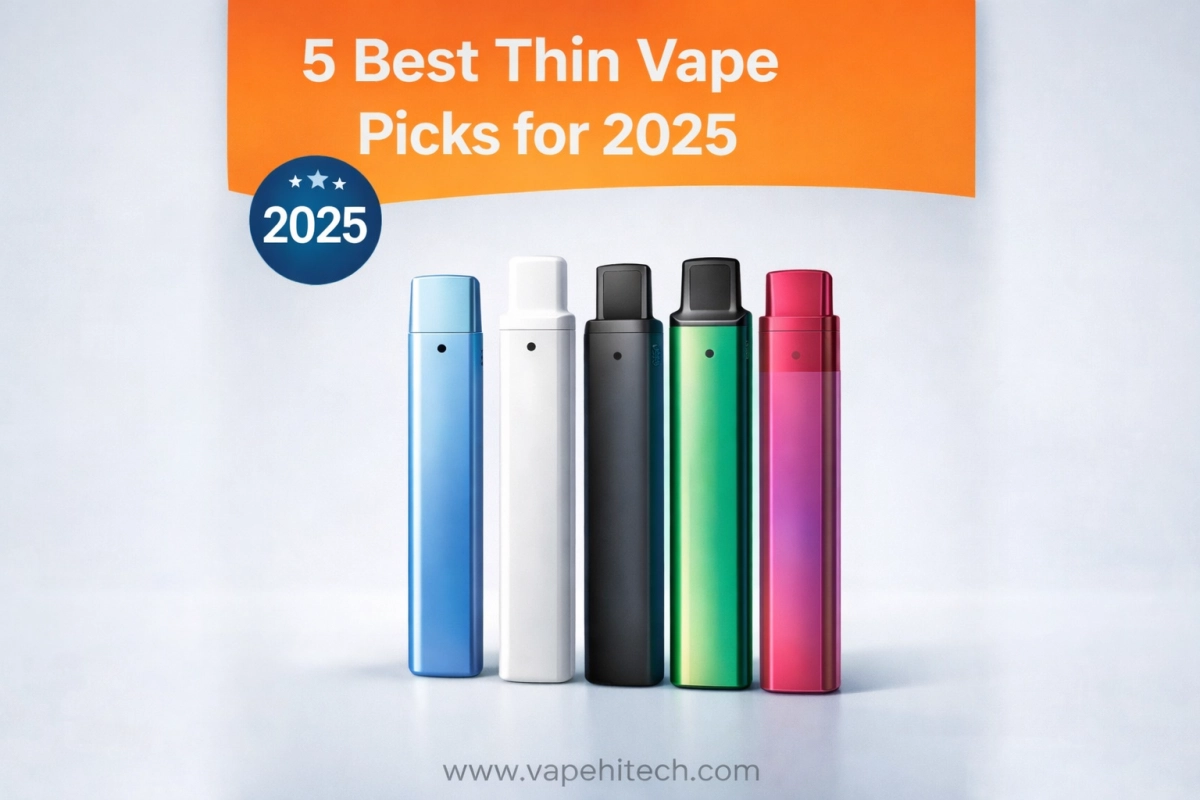
“Thin” is no longer just a design preference. In 2025, it’s a merchandising and operational choice: pocket carry, shelf density, and faster turn can all improve—if draw consistency, leak risk, and sourcing traceability hold up at scale.
Why thin formats matter in 2025
If you manage shelf space and returns, “thin” has a measurable business impact: more facings per row, easier pocket carry, and a simpler shopper story. Meanwhile, the broader market continues to move strongly toward disposable unit sales. The CDC Foundation’s U.S. retail monitoring (Circana POS) shows that from February 2020 to May 2025, disposable unit share rose from 26.0% to 60.9%. You can verify those figures in the national trends dashboard and the accompanying PDF brief: CDC Foundation national trends, national brief (PDF).
For catalog architecture, this is where your mini vape pillar becomes valuable: thin picks can be organized by capacity class and retail intent, then supported by a repeatable QC and pilot routine.
How we review thin vape picks
Standardized pull conditions
“Expert review” only works when comparisons are repeatable. We align our internal test language to routine analytical vaping-machine conditions (ISO 20768) and the CORESTA method widely referenced for aerosol generation and collection. These sources don’t tell you what to stock—but they do help your team compare apples-to-apples.
BoFu reality: returns and repeat orders
At BoFu, “best” is less about hype and more about landed performance: draw repeatability across units, leak resistance through handling, and whether the supplier can repeat a spec with traceable lots. If you want a structured comparison outline your team can reuse, see this internal reference: comparison checklist.
What “best” means for BoFu buyers
In 2025, the fastest way to pick winners is to score thin options against the same five criteria every time. Start from your catalog entry point for thin shells and narrow down: thin vape shells.
1) Draw consistency
Track unit-to-unit variance. A thin profile has less geometry headroom; minor assembly drift can become a real field complaint. Log first-pull success, hard-draw frequency, and how performance changes after rest.
2) Clog and leak risk
Separate “wet mouthpiece” condensation from true leakage. A good thin pick has stable airflow and a predictable re-wet curve. Ask for inlet geometry ranges and assembly tolerance targets.
3) Materials and traceability
Recent peer-reviewed work has flagged that some popular disposable products can emit elevated toxic metals—linking outcomes to part and material choices. Use that literature as a sourcing driver: request material declarations and traceable lots. References: ACS Central Science paper, open-access review.
4) Shelf portability
Thin wins when it sells: clean front panel space, consistent feel in hand, and fewer carry-related failures. Plan your lineup so the “mini vape” category has one clear hero pick per capacity class.
5) Buyability
Favor suppliers that can repeat a spec over time, not just ship a single good lot. Your best pick is the one that stays consistent when you reorder—especially after a fast-moving retail season.
Top 5 thin vape picks
These picks are written for B2B teams who want thin options that are easier to stock, compare, and repeat. Each pick includes: best-fit scenario, what to verify, and a short “why it made the list.”
Pick 1: Blinkers 1g Empty Disposable Vape Pen
Best for: a baseline 1g class thin SKU with a simple buyer story (compact carry + predictable QC).
What to verify: draw variance across 20–30 units, condensation pattern after rest, and tolerance stability across lots.
Why it made the list: it’s a straightforward thin profile that’s easy to test and easy to position on shelf as a primary 1g pick. See the product page here: 1g thin vape.
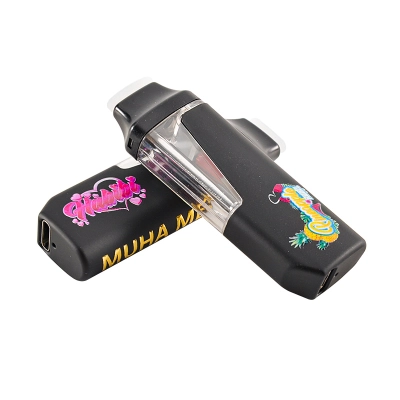
Pick 2: Crybaby 1G Empty Disposable Vape Pen (warehouse lot)
Best for: teams that buy in lots and want a predictable incoming routine with fewer surprises.
What to verify: lot traceability, packaging integrity at arrival, and whether the supplier can replicate the same spec on reorder.
Why it made the list: warehouse-lot sourcing forces discipline—good for operators who prioritize repeatability over novelty.
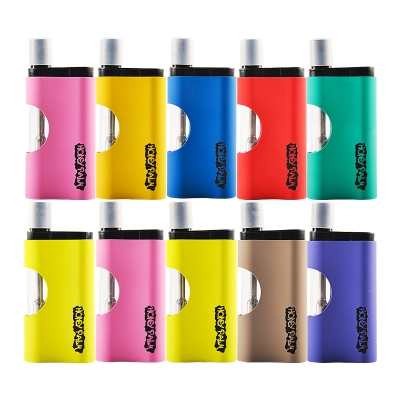
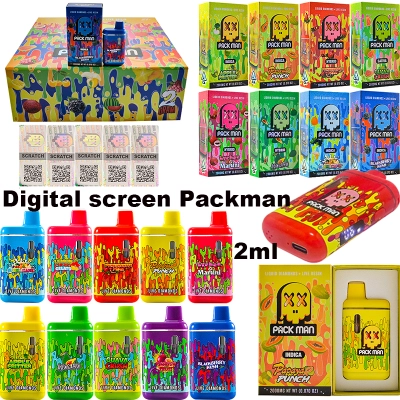
Pick 3: Packman Mini 1.5G with screen
Best for: retail programs where visual feedback supports fewer “is it working?” complaints and cleaner merchandising.
What to verify: indicator accuracy during normal use, draw stability through mid-life, and handling tolerance during transport.
Why it made the list: thin + screen can reduce uncertainty at the counter and help differentiate a mini lineup without changing your QC logic. Product page: screen mini vape.
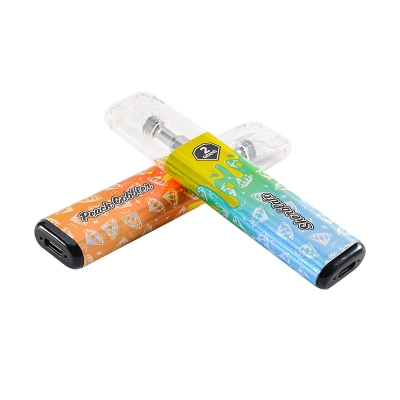
Pick 4: Choiceslab 2N1 2g Empty Disposable Vape Pen
Best for: a dual-profile offering that still fits a compact carry narrative, especially when you need one SKU to cover broader preference.
What to verify: cross-bleed resistance between chambers, selector logic consistency, and whether draw remains stable across both modes.
Why it made the list: it can raise perceived value while staying in a portable form factor—if the separation design is solid.
Pick 5: A “thin baseline” 1ml pen from your mini assortment
Best for: replacing “too many similar SKUs” with one thin baseline that anchors the mini category.
What to verify: that the baseline stays stable across reorders, not just across units.
Why it made the list: most catalogs perform better when they have a single, repeatable “default thin pick” that merchandisers can explain in one sentence. Anchor that strategy to your mini hub: mini vape.
Quick comparison table
| Pick | Best for | Primary risk to manage | Fastest verification step |
|---|---|---|---|
| Blinkers 1g | Baseline thin 1g class | Unit variance (draw / condensation) | 10 units × 50 pulls, log failure codes |
| Crybaby 1G lot | Lot-based sourcing discipline | Reorder repeatability | Traceability + incoming sampling plan |
| Packman Mini 1.5G (screen) | Retail differentiation + clarity | Indicator reliability + handling stress | Vibration/handling check then repeat pull audit |
| Choiceslab 2N1 2g | Two-profile value in compact carry | Separation reliability | Mode-to-mode stability test + cross-bleed check |
| Thin 1ml baseline | Mini lineup anchor | SKU overlap / unclear positioning | One-sentence shelf story + reorder plan |
RFQ and pilot checklist
RFQ questions that reduce expensive surprises
- Lot traceability: How are cartons and inner packs coded? Can you map a complaint back to a production run?
- Tolerance targets: What are the accepted ranges for airflow path dimensions and sealing interfaces?
- Materials disclosure: Can you provide a basic material declaration for key contact parts?
- Incoming acceptance: What is your recommended sampling plan for draw variance and visible seepage?
- Reorder guarantee: What controls prevent silent substitutions of parts across runs?
A field-friendly pilot routine
- Round 1: 10 units, 50 pulls each, fixed pull length and rest interval. Log failures (hard draw, clog-clear needed, wet mouthpiece, seepage).
- Handling: carton shake + light vibration. Then store half upright and half sideways for 12 hours.
- Round 2: repeat the same pull audit. Compare failure counts and variance.
- Decision: approve for a limited run only if results are stable across both rounds and failures are diagnosable.
Packaging and distribution reality checks
Thin profiles can be excellent in pocket carry but fragile in distribution if packaging is weak. When you define packaging requirements with suppliers, referencing established parcel and distribution frameworks helps reduce ambiguity. Start here: ISTA 3A overview (PDF) and ASTM D4169 overview.
- Compression risk: thin boxes crush more easily; specify carton strength and inner pack support.
- Vibration risk: require internal immobilization so units don’t rub and scuff during transit.
- Seal integrity checks: include a post-transport visual inspection in your receiving SOP.
Common buying mistakes to avoid
1) Choosing by appearance instead of variance
Thin can look premium and still fail on consistency. Your pilot routine should measure variance first, then evaluate shelf presentation.
2) Treating “best” as universal
The best thin pick for a high-turn convenience channel may be the wrong pick for long storage or rough distribution lanes. Make your recommendation conditional on channel reality.
3) Ignoring traceability
When outcomes vary, traceability is the difference between a quick corrective action and months of repeated complaints. Use the metals literature as a practical reminder: sourcing discipline matters. See: ACS Central Science.
4) Overclaiming in buyer content
Avoid “safer” claims. Keep messaging factual: empty only positioning, QC routine, and packaging outcomes. For risk context on illicit/unknown liquids (not a product claim), you can reference public health summaries: CDC archived overview, FDA public health focus.
References (authoritative)
- CDC Foundation: Monitoring E-Cigarette Sales (National Trends)
- National sales data brief (PDF, updated estimates)
- ISO 20768 overview: routine analytical vaping-machine conditions
- CORESTA CRM 81 (PDF): routine analytical conditions
- ACS Central Science: toxic element emissions study (disposable products)
- Open-access review: aerosol constituent considerations (methods and findings)
- ISTA 3A overview (PDF): parcel distribution test framework
- ASTM D4169 overview: distribution simulation practice
- CDC archived public health overview (EVALI context)
- FDA public health focus: lung injuries associated with vaping products

3 Comments
Simple and informative. Thanks for sharing.
Good read. Looking forward to more posts.
Great explanation. Keep it up!